Manufacturing & Industrial Cleaning
Warehouse Cleaning During Peak Shipping Season in North Alabama
Warehouse cleaning during peak shipping season in North Alabama should be planned around dispatch windows, loading activity and safe route availability—not forced through active forklift lanes. Facility managers should identify the busiest dock hours, separate immediate debris and spill response from periodic floor cleaning, reserve short zone-specific access windows, and name a supervisor who can pause cleaning when operations change. During high-volume weeks, the most valuable cleaning plan often protects clear paths, restrooms, breakrooms and loading approaches first while postponing nonessential detail work to an approved quieter period. Safety takes priority over a fixed cleaning timetable.
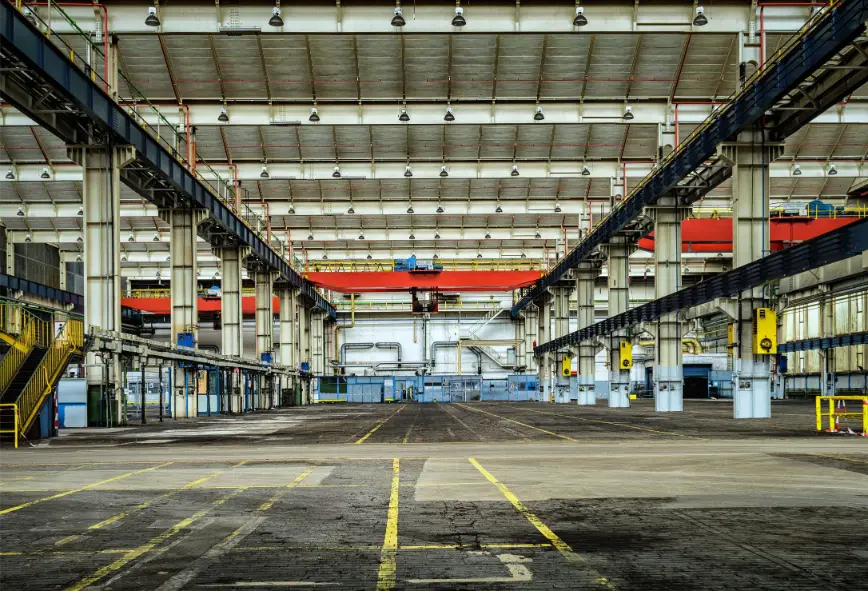
Start with the order flow, not last month’s cleaning calendar
A warehouse can be calm at 8 a.m. and congested at noon. During a high-volume shipping period, facilities leaders should consult dispatch and receiving supervisors before assigning floor-cleaning windows. Mark expected truck arrivals, trailer turns, staging overflow and temporary staffing. Some zones may be unavailable for hours, while an empty aisle may be safe to release between waves.
The routine North Alabama warehouse cleaning frequency guide explains how tasks are normally scheduled. During a surge, the question changes: which tasks are essential for safe operations now, and which detailed tasks can move to another approved window without allowing unacceptable soil or hazards to accumulate?
Divide work into immediate, routine and deferrable tasks
Immediate response involves spills, loose packaging, obstructed routes and other conditions that require the facility’s safety or housekeeping process. Unknown, hazardous or process-related spills require trained authorized personnel. Routine service may include staff restrooms, breakrooms, entrance areas, ordinary bins and approved dock housekeeping. Deferrable detail might include certain high ledges or deep floor work where access is temporarily impractical, as long as delaying it does not breach safety, process or contractual requirements.
Do not describe all periodic cleaning as optional. Food-handling, hazardous-material or regulated production facilities may have required sanitation or housekeeping tasks that cannot simply be postponed for shipping targets.
Use zone-specific release windows
Instead of a blanket instruction to “clean the warehouse after 5 p.m.,” identify specific aisles, docks and rooms that a supervisor can release. A zone should have a boundary, an assigned operations owner, a proposed start and stop time, and a safe means for cleaners and equipment to enter and leave. Cleaning equipment should not be parked where it blocks travel routes, exits or loading equipment.
When forklifts are in use, keep ordinary cleaning personnel out of active equipment paths unless controls are in place and the site’s authorized safety plan permits the task. OSHA’s forklift pedestrian-traffic guidance emphasizes separating pedestrian traffic from forklifts where possible. For technical floor-cleaning methods, see the separate warehouse floor cleaning best-practices guide.
Example surge-week cleaning priorities
| Area | During dispatch surge | Quieter released window | Who approves changes |
|---|---|---|---|
| Active loading dock | Remove safely accessible ordinary debris under site rules | Detailed cleaning when trailers and forklifts are clear | Dock supervisor |
| Staff restrooms | Check supplies and urgent conditions | Full normal service | Facilities lead |
| Breakroom | Time quick resets around breaks | Floor detail after meal period | Shift supervisor |
| Storage aisle | Do not enter if traffic is active | Approved dry or wet floor procedure | Operations lead |
| Office entrance | Routine visible housekeeping | Planned periodic cleaning | Office manager |
This is an illustrative priority map, not a mandatory warehouse standard. Adapt it to your building’s hazards and operating rules.
What changes when temporary labor or extra shifts arrive?
More staff can mean more restroom use, packaging debris, breakroom turnover and service requests. Do not automatically order a full extra cleaning shift without first measuring where the additional soil appears. A targeted restroom restock and breakroom reset may deliver more value than repeating low-use office tasks.
The plan must also work for temporary workers who may be unfamiliar with cleaning routes or wet-floor closures. Communicate which zones are unavailable, who authorizes reopening, and how to report a spill. The cleaning team should not make operational dispatch decisions independently.
Fictional example: a three-dock North Alabama operation
Imagine a fictional warehouse with three dock doors, two standard shifts and a two-week shipping surge. Normally, a scrubber cleans the main travel lanes at the end of the first shift. During the surge, trucks and forklifts continue occupying those lanes until later in the evening, and the normal machine route is no longer safe.
The site supervisor keeps immediate debris response active, moves approved periodic floor work into two short aisle closures and adds a quick restroom supply check. The operations team records skipped noncritical detail areas and agrees on a catch-up visit once volume eases. The number of docks and duration are invented to show scheduling decisions, not to claim a typical Alabama warehouse size or shipping cycle.
Track three signals during the surge
First, record blocked cleaning windows: the zone, reason, and rescheduled time. Second, record urgent housekeeping requests: what was found, its immediate response and which team owned it. Third, record repeated soil patterns: packaging scraps at a specific bay, dirt tracked through a particular door, or supply shortages during a shift change. These measures help adjust the route without turning every minor note into a management crisis.
A postponed task is not automatically a service failure if the client restricted access and an alternative was agreed. Conversely, if an accumulation creates a hazard, documenting it as “deferred until next week” is not sufficient. Follow the site’s safety process promptly.
After peak season: return to the baseline deliberately
Do not let temporary reductions become the normal plan by accident. Schedule a short review after the surge: inspect the deferred zones, verify that floor finishes were not damaged, review soil recurrence and restore normal frequency. In some buildings the peak exposed a permanent operational change—perhaps a new shipping schedule or delivery door—so the baseline itself may need revision.
The Huntsville industrial cleaning service page describes a broader service category, while the warehouse cleaning cost-per-square-foot article explains how scope affects estimates. For a North Alabama facility facing scheduling constraints, share a redacted zone map and normal shipping windows through Mid City’s contact page before requesting a quote.
Frequently asked questions
Should a warehouse cancel cleaning during a shipping rush?
No blanket cancellation is advisable. Keep essential safety and housekeeping tasks active, adjust access windows and document any appropriate periodic work that is rescheduled.
Can cleaners work alongside active forklifts?
Only where the site has approved controls and safe separation. A fixed cleaning schedule does not override pedestrian or forklift safety requirements.
How often should deep warehouse floor cleaning happen during peak shipping?
It depends on floor type, soil, process requirements and safe access. The routine frequency guide is a starting point; the surge plan determines practical approved windows.