Manufacturing & Industrial Cleaning
Warehouse Cleaning Frequency in North Alabama: Daily, Weekly & Periodic Tasks
Warehouse cleaning in North Alabama should be scheduled by zone and soil load rather than by one building-wide frequency. High-traffic docks, entrances, restrooms, breakrooms, and office areas may need daily or per-shift attention. Main warehouse aisles often need routine sweeping or mechanical cleaning several times per week, while high dusting, racking detail, wall cleaning, machine scrubbing, and deep floor work can run on monthly, quarterly, or shutdown schedules. The right frequency depends on forklift traffic, outdoor dust, packaging debris, product type, floor condition, shift count, and whether the site is a warehouse-only operation or part of a manufacturing facility. A written zone map is usually more useful than a generic “clean the warehouse weekly” instruction.
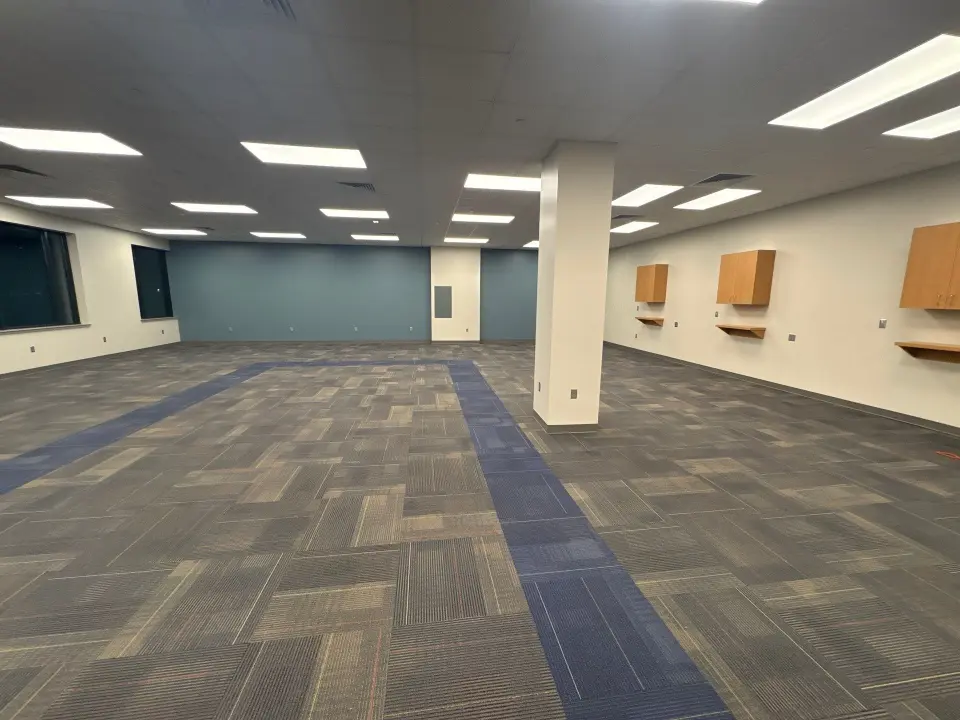
Start by zoning the warehouse
Divide the site into receiving and shipping docks, main aisles, storage rows, staging areas, employee entrances, offices, restrooms, breakrooms, mechanical rooms, and any production-adjacent zones. Each zone gets a cleaning method and frequency based on traffic and risk. This prevents low-use storage areas from consuming the same labor as heavily traveled docks.
A zone map also clarifies responsibilities. Some warehouse teams handle pallets, stretch wrap, cardboard, production scrap, and spill response internally, while the cleaning contractor handles dust, floors, offices, restrooms, and common areas. The contract should state the boundary.
Daily or per-shift tasks
Daily priorities usually include restrooms, breakrooms, office trash, employee entrances, obvious spills, dock-office areas, and high-traffic walking paths. In busy operations, loose packaging material and tracked soil can create safety or appearance problems quickly, so those areas may need repeated attention during a shift.
If forklifts or pallet jacks track grit onto concrete, the floor program should remove abrasive debris before it is ground into the surface. The exact method—industrial vacuum, sweeper, scrubber, or other equipment—depends on the floor and material being collected.
Weekly tasks
Weekly work can include broader aisle cleaning, detailed dusting in offices and common areas, lower-level racking dust where permitted, corners and edges, dock doors, interior glass in support areas, and more detailed breakroom/restroom cleaning. The goal is to catch soil that daily spot work does not remove.
For sites with lower traffic, some main-floor work may be weekly rather than daily. For high-volume distribution, weekly may be too infrequent. The facility should adjust based on visible soil, safety observations, airborne dust, customer requirements, and how rapidly the floor re-soils.
Monthly, quarterly, and shutdown tasks
Periodic work may include high dusting, machine scrubbing, wall and door cleaning, detailed dock-area cleaning, floor restoration, carpet extraction in offices, pressure washing of suitable exterior areas, and deep cleaning under movable furniture or fixtures. Manufacturing or food-related facilities may require much more specific schedules and controls.
Shutdown periods can be ideal for work that conflicts with forklifts, production, or normal traffic. Plan those services in advance so equipment, access, drying time, and safety controls are coordinated instead of added at the last minute.
Keep this frequency guide separate from floor-method guidance
Warehouse floors deserve their own technical plan. Concrete condition, coatings, oils, tire marks, dust, and equipment all affect the method. Mid City’s warehouse floor cleaning best-practices guide owns the detailed floor-method intent. This North Alabama article focuses on how often each warehouse zone should be addressed.
Where floor restoration or specialty service is required, use commercial floor cleaning as the service reference rather than turning the recurring warehouse schedule into an all-purpose floor-restoration plan.
North Alabama operating conditions to consider
Local facilities may face a combination of heat, humidity, pollen seasons, rain-driven entry soil, red clay or outdoor grit, and heavy vehicle traffic around docks. Those conditions can change entry and floor frequencies during the year. A static annual schedule may under-clean during wet or high-pollen periods and over-clean low-use zones during slower periods.
The better approach is a base schedule plus trigger conditions. For example: increase entry cleaning after heavy rain, add dock sweeping during high-volume shipping periods, or increase restroom service when seasonal staffing rises.
Tie cleaning frequency to quality and safety observations
Do not wait for an annual contract renewal to adjust frequencies. Supervisors should note recurring dust lines, slick spots, overflowing waste, restroom complaints, floor haze, or debris around dock paths. If a zone repeatedly fails between visits, the frequency or method is wrong.
For broader industrial operations, the manufacturing facility cleaning checklist covers production-related daily, weekly, and shutdown tasks. Mid City’s industrial cleaning service page owns the local transactional industrial-cleaning intent.
A simple frequency framework
Use four questions for every warehouse zone: How quickly does it get dirty? What happens if it is not cleaned? Does cleaning interfere with operations? What equipment and access are required? High-soil/high-consequence zones get more frequent service. Low-soil/low-consequence zones can move to periodic rotations.
That framework is more defensible than copying a generic checklist because it explains why each task appears at its chosen frequency.
Measure soil and adjust the warehouse frequency instead of guessing
Warehouse schedules should be reviewed after the first few weeks of service. Walk the same zones at consistent times and look for patterns: where dust accumulates first, which dock lanes carry the most debris, whether breakrooms deteriorate between visits, and whether forklift traffic is carrying grit farther into the building than expected. A simple zone score—acceptable, watch, or needs more frequency—can help supervisors make adjustments without redesigning the whole contract.
Also watch for operational changes. New racking, a second shift, seasonal shipping volume, construction nearby, or a change in packaging can alter the cleaning load quickly. The original schedule may have been correct when the contract was signed and still become inadequate later. Conversely, some low-use storage zones may be receiving more service than they need. Moving labor from low-value tasks to high-soil areas can improve results without automatically increasing total cleaning hours. Frequency should follow real conditions, not habit.
North Alabama frequency tip: Recheck dock, entry, and aisle frequencies after major weather changes or peak shipping periods; seasonal soil can change the workload faster than the annual contract schedule suggests.
Frequently asked questions
How often should a warehouse floor be cleaned?
It depends on traffic and soil. High-volume aisles and dock areas may need daily or several-times-weekly cleaning, while lower-use zones can run less often. The floor method should match the concrete or coating and the type of debris.
What warehouse areas usually need daily cleaning?
Restrooms, breakrooms, offices, entrances, spills, dock-office areas, and heavily traveled walking paths are common daily priorities.
How often should warehouse high dusting be done?
High dusting is typically periodic rather than daily. The interval depends on airborne dust, ceiling height, operations, fire-protection systems, and access constraints.
Should a North Alabama warehouse use the same schedule year-round?
Not always. Rain, pollen, seasonal staffing, shipping volume, and outdoor soil can change how quickly entrances, docks, and floors become dirty.
Reviewed for publication using Mid City Commercial Cleaning’s current article design system, local SEO intent mapping, and publishing QA requirements.