Warehouse Cleaning Cost Per Square Foot: Zones, Traffic and Tasks
Warehouse cleaning cost per square foot is useful only after the building is divided into cleanable zones and the work frequency is defined. A hypothetical 20,000-square-foot warehouse at $0.06 per square foot would cost $1,200 for one qualifying visit, but that number is an illustrative calculation—not a verified local quote. Open aisles, loading docks, restrooms, breakrooms, high dusting and machine scrubbing do not take equal labor per square foot. Price each zone by soil load, forklift traffic, access and required method, then combine the amounts. Otherwise, a low whole-building rate may quietly exclude the areas that need the most attention.
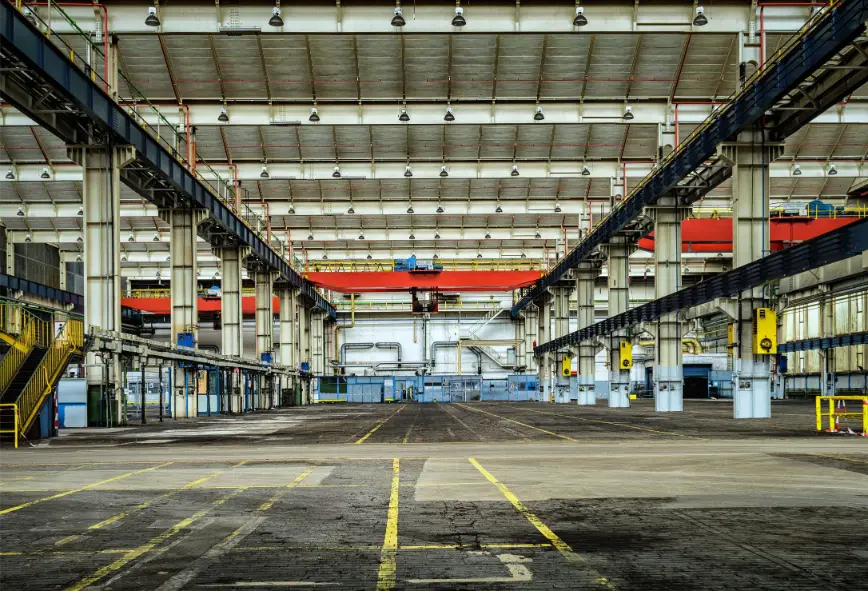
Measure cleanable zones before dividing total price
Gross building area includes inaccessible racking footprints, locked equipment rooms, offices, mezzanines and areas outside the scope. Ask for cleanable square footage by warehouse aisle, dock, staging, office and employee amenities. A rate quoted against gross area may appear lower than an equivalent rate applied to smaller cleanable area, so compare the same denominator.
Many sites need a hybrid scope. Open warehouse floors can sometimes be estimated by machine productivity and square feet, while restrooms, breakrooms and detailed dock debris removal are better priced as separate tasks. A blended per-square-foot figure is a reporting convenience after the work has been priced—not a substitute for knowing what is included.
Account for forklift and loading-dock soil
Pallet debris, packaging fragments, grit carried by forklifts, tire marks, dock door dirt and spills create uneven work across a warehouse. A distribution center with long daily shipping shifts can need high-frequency dock cleaning, while low-use storage aisles require less frequent work. Pricing must reflect the different zone schedules.
Ask who is responsible for pallet debris, stretch wrap, damaged cartons, production scrap and spill response. In many operations these are handled by warehouse employees under site procedures. Treating them as janitorial tasks without describing disposal and safety requirements can underprice the labor and create operational conflicts.
Separate routine sweeping from machine scrubbing and high dusting
Routine floor sweeping or appropriate vacuuming is not the same as floor scrubbing, tire-mark treatment, high-level dusting or wall washing. Equipment rental, water access, floor coatings and safe separation from moving trucks and forklifts can all change productivity. Do not bundle periodic shutdown work into a routine unit rate unless it is expressly included.
High dusting presents an additional access and safety question. Lift rental, isolation, training and overhead obstructions need their own work plan. The cost per square foot of roofed floor area is a weak proxy for specialized cleaning several feet above that floor.
Know when a low unit rate is genuinely reasonable
Large open, unobstructed floors may permit efficient machine passes and therefore a low effective cost per square foot. A smaller warehouse with racks, narrow aisles, oil spots, many docks and shared offices may cost more per cleanable square foot. That difference is not evidence of overcharging by itself.
Ask vendors to show expected machine-hours and the planned cleaning path. A high-productivity machine is not useful if it cannot pass through crowded aisles, if floor drains or power sources are unavailable, or if moving equipment requires a shutdown.
Compare weekly, monthly and periodic pricing separately
A single “warehouse cleaning price” may combine office service five nights weekly with warehouse floors twice weekly and high dusting quarterly. Break these into distinct line items and calculate their annual visit counts. Then the overall per-square-foot number can be used as a summary if management requires it.
Be careful with annualizing one deep clean at a routine visit rate. Deep soil buildup, move-out work and post-construction dust differ from maintenance cleaning. Ask for separate assumptions rather than claiming a recurring rate applies to every condition.
Illustrative zone-based square-foot calculation
Assume 16,000 cleanable square feet of open aisles at a hypothetical $0.05 per square foot ($800), plus $180 for dock detailing and $220 for office/restroom work. The modeled visit total is $1,200. Against the 20,000-square-foot gross building, that equals $0.06 per gross square foot; against 16,000 cleanable warehouse square feet, it equals $0.075. Both ratios describe the same hypothetical invoice, showing why area definitions matter.
Practical checks before approving a quote
Use repeatable cleanliness observations
Take condition notes for docks, main aisles, corners, offices and entries at consistent times of day. If dock debris returns after every shift, the schedule is probably too sparse there. If a low-use storage aisle remains clean for weeks, the same frequency may waste budget. These observations make rate changes easier to justify.
Check equipment access before approving a number
Ask the provider to identify machine width, turning space, charging or water access, floor restrictions and pedestrian separation. A proposed productivity rate that assumes an unrestricted ride-on scrubber may not apply inside narrow racks or during active forklift movement.
North Alabama considerations
A North Alabama warehouse may experience heavier dock soil during wet weather and seasonal shipping peaks. In facilities around Decatur, Huntsville and Madison, evaluate the actual door count, trucking schedule, concrete condition and traffic rather than repeating generic references to local aerospace employers. The price should follow operating patterns, not economic-development landmarks.
When the cheaper option can make sense
A warehouse does not always need wall-to-wall wet scrubbing. Dust-generating materials, floor coating constraints and safety rules can favor a different method. If the floor is already clean enough, the right schedule may be less frequent. If heavy debris creates a slip or equipment hazard, a cheap low-frequency proposal is not adequate merely because its dollar-per-foot number looks attractive.
Related Mid City guides and service information
These resources address adjacent questions. They are linked for context; this article is written to answer its own narrower question.
For zone scheduling, use warehouse cleaning frequency guide.
For method selection, read warehouse floor cleaning methods.
For larger-building service scope, see large-facility cleaning services.
For an office benchmark rather than a warehouse quote, review commercial office square-foot cost comparison.
Frequently asked questions
Is a warehouse cheaper per square foot than an office?
Open warehouse floors can be efficient to clean, but docks, heavy soil, high dusting and specialty equipment can reverse the comparison. Use the actual zone plan rather than assuming a universal discount.
Should racking footprints count toward cleanable area?
State the measurement convention in writing. Rack footprints may not receive the same floor cleaning as open aisles; excluding them can make quote comparisons clearer.
Does a square-foot quote include high dusting?
Not unless the contract says so. Overhead work may need access equipment and a separate shutdown plan.
How do I convert visit pricing into monthly costs?
Multiply the price of each task or zone by its own visits per month, then add periodic projects separately. Do not apply a single full-building rate to every service day.