High-Touch Focus
Frequently handled surfaces are identified in the scope instead of left to memory.
Madison County, AL · Healthcare & Medical Facilities
Medical facility cleaning in Harvest, AL serves family clinics, dental offices, wellness practices and other healthcare workplaces across northwest Madison County. Mid City Commercial Cleaning provides recurring cleaning for exam and treatment areas, reception spaces, restrooms, staff rooms and frequently touched surfaces with a methodical, zone-based approach.
Harvest is close to our Madison headquarters, making walkthroughs and schedule changes straightforward. We can arrange after-hours or overnight service so cleaning takes place outside normal patient flow and the practice opens to an orderly, ready environment.
Our Medical Cleaning Process
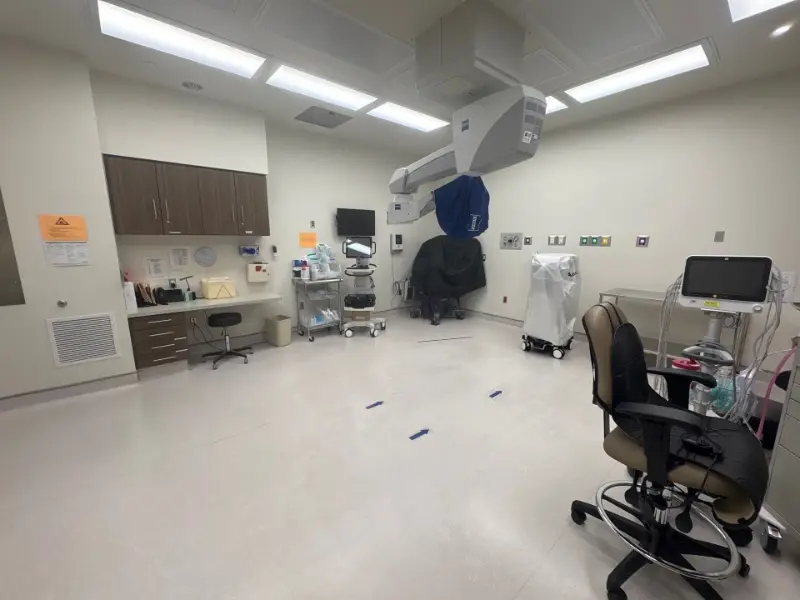
We map patient flow, room use, floor types, access limits and the spaces your team considers highest priority.
Every-visit tasks, rotating detail work, products, access steps and exclusions are documented before recurring service begins.
Patient rooms, restrooms, reception, staff spaces and floors are handled in a planned sequence with zone separation in mind.
When traffic, staffing or room use changes, we can revise the affected zones instead of replacing the entire program.
Scope of Work
For a Harvest clinic or wellness office, it is helpful to build the cleaning proposal around how a smaller staff uses the space throughout the day. A consultation room might serve more than one purpose, while the front desk, restroom and break area may be used constantly. The scope should list each room's normal use, whether it is available after closing, and what items staff must move or secure before cleaning. A short, precise plan can be easier to follow than a long list of generic medical-cleaning promises.
A Harvest office with one small reception space may want to discuss special disinfection needs separately from its routine end-of-day reset. For facilities that need an additional disinfection-focused project or a separate service conversation, see our commercial sanitizing and disinfection service. The recurring medical-cleaning scope can then remain focused on the routine required to keep the practice orderly and ready for normal daily operations.
Scope note: Mid City provides facility cleaning and surface disinfection. Regulated medical waste, sharps, biohazard disposal, clinical sterilization and specialized remediation should be handled under the facility’s applicable procedures and qualified providers.
Disinfection & Cross-Contamination Controls
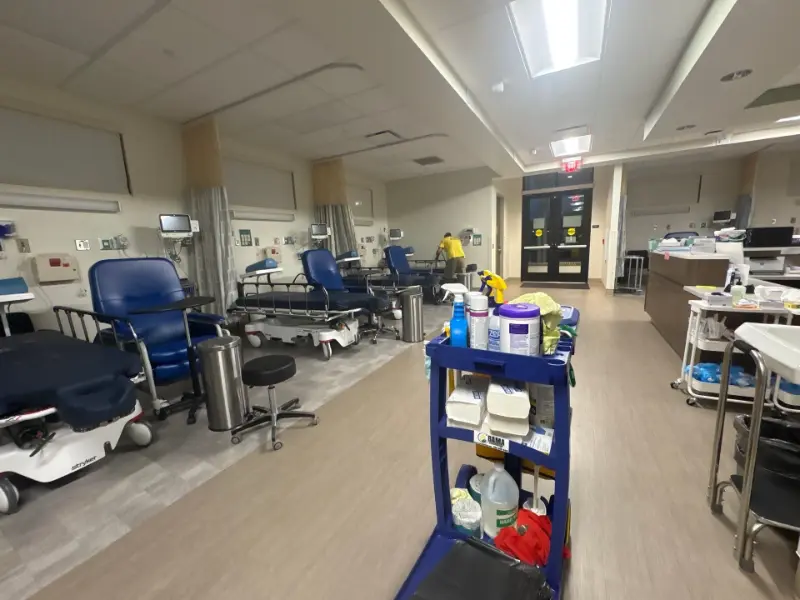
In a community-oriented Harvest practice, the line between reception and patient care can be physically close. The cleaning sequence should still keep restroom work separate from patient-facing surfaces, with dedicated tools and an agreed path through the rooms. We can identify door hardware, counters and other noncritical high-touch surfaces together with practice staff. The list should change if the office moves furniture, adds a check-in kiosk or changes the way visitors queue.
Disinfection should not be treated as one vague task for every object. A facility contact needs to identify where a disinfectant step is appropriate, whether a surface tolerates the chosen product, and how the label's application and contact-time requirements will be followed. Clinical tools and used instruments stay within the practice's own procedures. Clear boundaries make a compact clinic easier—not harder—to clean consistently.
Frequently handled surfaces are identified in the scope instead of left to memory.
Applicable disinfectants are used according to manufacturer instructions and contact-time requirements.
Color coding and planned sequencing support separation between restrooms and patient-facing areas.
Service can be scheduled around appointments, staff flow and building access.
Local Operating Plan
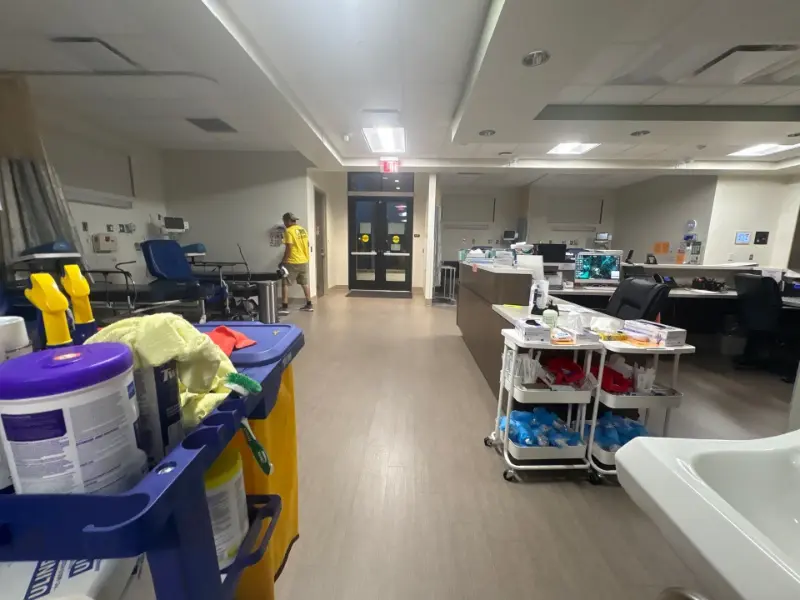
Nearby service is useful when a practice changes hours, adds a provider or needs to revise access, but consistency still comes from a written plan. We identify every-visit priorities, rotating detail work and any rooms that need special authorization so the crew has a stable checklist even when no manager is present.
Harvest practices can also have very different traffic patterns. A family clinic may see frequent turnover in waiting and exam areas, while a wellness or therapy office may put more emphasis on shared treatment spaces, floors and staff support areas. The scope should follow the way the building is actually used instead of relying on a standard package.
For broader facility upkeep, see commercial cleaning in Harvest and Harvest janitorial services. Periodic carpet and floor work can be planned through commercial carpet cleaning in Harvest or the corresponding floor-care service.

Practical Safety Knowledge
Family practices, dental offices and wellness providers still need clear safety boundaries even when the facility is smaller. Cesar Garcia, owner of Mid City Commercial Cleaning, has completed Bloodborne Pathogens training through the National OSHA Foundation. The training addresses exposure awareness, work-practice controls, PPE and other concepts associated with OSHA’s Bloodborne Pathogens Standard, 29 CFR 1910.1030.
For Harvest-area clients, the value is practical: cleaning responsibilities can be discussed accurately before the service plan is finalized. The janitorial scope may include assigned environmental surfaces and approved disinfection procedures, but it should not automatically extend to sharps, regulated medical waste or specialized biohazard remediation merely because those hazards can exist in healthcare settings.
The certificate reflects completed training and owner awareness. It does not replace a facility’s exposure-control plan, staff training obligations or other OSHA requirements. Additional guidance is available in our bloodborne pathogen cleanup requirements article.

Nearby Owner Involvement
Harvest practices often need the responsiveness of a local commercial cleaner without an oversized facility-management process. Cesar Garcia owns Mid City Commercial Cleaning and is involved in client communication and recurring service standards, giving medical offices a clear path when something in the account needs to change.
A family clinic may add an exam room, extend evening hours or find that reception traffic has increased. A wellness office may need different attention in treatment spaces than it did when the contract began. Those are normal operational changes, and the cleaning scope should be able to reflect them while keeping the core routine stable for the crew.
Learn more about Cesar Garcia and his role with Mid City, or visit the About page for company background.
Planning Your Facility
A smaller Harvest office may rely on one office manager to coordinate supplies, scheduling and outside vendors. The cleaning plan should respect that workload. Instead of a lengthy document no one uses, create a room list showing everyday tasks, periodic tasks and exclusions. When practice staff know what will happen in each room, it becomes easier to spot an item that needs to be added or corrected.
Closing procedures deserve the same attention as cleaning methods. The last staff member can specify where clinical materials are secured, which surfaces are ready for environmental cleaning and whether the crew should enter storage or treatment spaces. Any locked room that is not part of the agreement stays off the route. That protects the facility's boundaries and makes the end-of-day handoff predictable.
If a practice expands its hours or converts a consultation office into a patient room, the checklist can be adjusted one zone at a time. A new room may need a different cleaning frequency, additional access notes or a discussion about product compatibility. A sensible program grows with the actual office rather than copying the scope from another city.
Facilities We Serve
Harvest requests may involve family medical offices, dental practices, therapy spaces or smaller specialty suites. Some may have a single reception room adjoining several treatment spaces; others may share an entrance with unrelated businesses. Those differences determine which restrooms and corridors are included, whether after-hours access is practical and where supplies can be stored. A walkthrough should resolve these choices instead of assuming every Harvest location operates like a large medical center.
Waiting, exam, staff and restroom areas built into a recurring routine.
Patient-facing and support spaces cleaned around practice hours.
Shared treatment, reception, restroom and staff areas kept orderly.
Custom scopes for outpatient, diagnostic and multi-room professional facilities.
Periodic Care
If a Harvest practice needs occasional floor refinishing, carpet care or cleaning after a small remodeling project, these jobs can be quoted separately from the regular patient-area checklist. A limited footprint may make it especially important to coordinate drying times and furniture placement with the next day's appointments. Separating the project from routine service also helps keep recurring costs and expectations understandable for a small office.
When one room has several uses, the practice should agree on when an occasional machine-floor or carpet project can keep that room unavailable. For those needs, review commercial floor cleaning in Harvest, commercial carpet cleaning in Harvest or post-construction cleaning in Harvest. The commercial cleaning scope-of-work guide explains why defining routine and periodic tasks separately makes contracts easier to manage.
Why Practices Work With Mid City
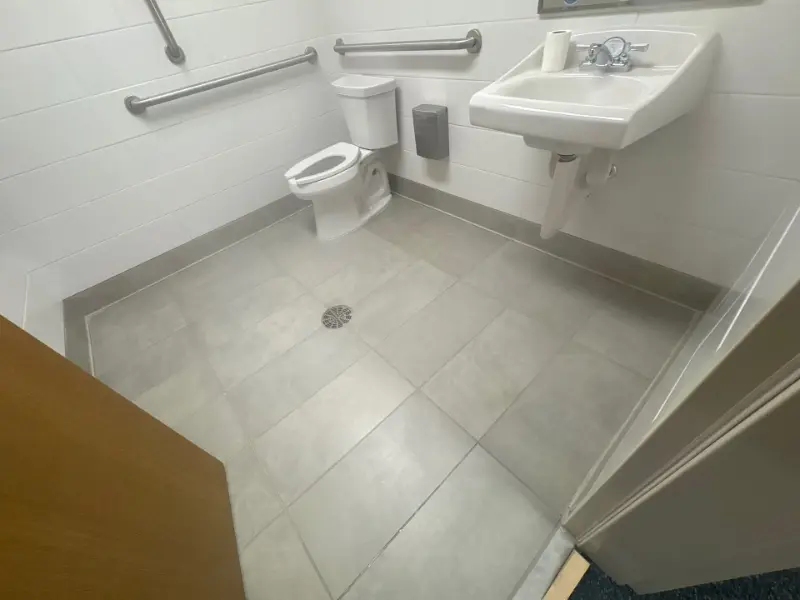
Harvest is close to our operating base, which supports responsive scheduling and straightforward communication. We pair that proximity with a documented scope so each visit remains consistent even as patient volume, staffing or room use changes.
The point of a concise Harvest checklist is to let a small team communicate changes without needing to rebuild the whole service plan. The most useful medical cleaning relationship is one where expectations stay visible after the first walkthrough. We document tasks, communicate when something changes and keep specialty projects separate from the recurring baseline so the account remains easy to understand.
FAQ
Yes. A proposal can prioritize reception, agreed treatment-room surfaces, staff areas and restrooms with tasks separated by frequency. A compact plan is often clearer than a generic whole-building checklist.
The practice should identify an authorized staff member to release rooms and secure clinical items. The outside cleaning team should enter only the spaces covered by the access plan.
Notify the account contact so room instructions and cleaning frequency can be reviewed. Changing the name on a door does not automatically establish a new clinical cleaning scope.
The proposed routine can use assigned, color-coded tools and a sequence that avoids carrying restroom items into patient-facing spaces. Procedures should align with the facility’s requirements.
No. Those materials remain with the practice and its qualified waste provider; our facility cleaning plan is limited to approved environmental surfaces and routine agreed tasks.
Request a Walkthrough
Tell us which Harvest rooms are multi-use and who can release them at closing so the walkthrough covers the right tasks. Tell us how your facility is used, when patients are present and which rooms matter most. We can walk the space, define the recurring scope and recommend a schedule that fits the practice rather than forcing the practice into a generic cleaning package.
Call (256) 809-0407, email cesar@midcitycommercialcleaning.com, or use the quote form.
Free Quote
Share your facility type, approximate square footage, preferred cleaning schedule, access requirements, and priority areas so we can prepare a practical medical-facility cleaning quote.