High-Touch Focus
Frequently handled surfaces are identified in the scope instead of left to memory.
Morgan County, AL · Healthcare & Medical Facilities
Medical facility cleaning in Decatur, AL supports practices across the River City medical community, including offices near Decatur Morgan Hospital and along the Beltline Road corridor. Mid City Commercial Cleaning builds recurring plans for exam rooms, reception areas, patient restrooms, staff spaces and high-touch points with a consistent, zone-based approach.
Decatur is readily served from our Madison base, but dependable service still depends on planning. We document access, timing and room priorities, then schedule after-hours or overnight work so the cleaning process fits around patient appointments and staff workflows.
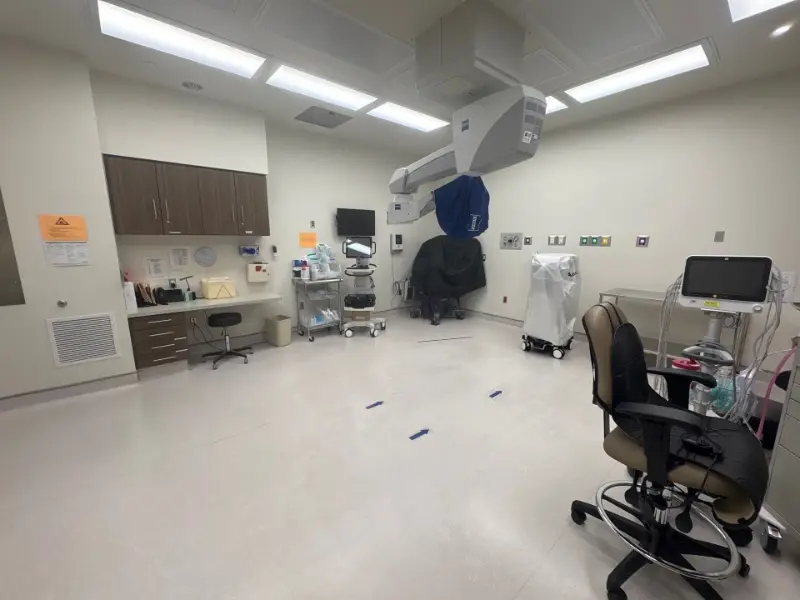
Our Medical Cleaning Process
We map patient flow, room use, floor types, access limits and the spaces your team considers highest priority.
Every-visit tasks, rotating detail work, products, access steps and exclusions are documented before recurring service begins.
Patient rooms, restrooms, reception, staff spaces and floors are handled in a planned sequence with zone separation in mind.
When traffic, staffing or room use changes, we can revise the affected zones instead of replacing the entire program.
Scope of Work
For a Decatur outpatient practice, different zones may require attention at different times. Patient arrivals concentrate activity around the entrance, reception and waiting areas; exams and consultations create separate room-turnover demands; staff-only corridors may follow a quieter pattern. The cleaning scope should identify those zones and which rooms will be released to the crew after appointments end. A clearly priced agreement describes what happens every visit and what belongs on a less frequent schedule.
A Decatur practice can identify high-use reception areas separately from clinical zones when discussing disinfection beyond its routine cleaning scope. For facilities that need an additional disinfection-focused project or a separate service conversation, see our commercial sanitizing and disinfection service. The recurring medical-cleaning scope can then remain focused on the routine required to keep the practice orderly and ready for normal daily operations.
Scope note: Mid City provides facility cleaning and surface disinfection. Regulated medical waste, sharps, biohazard disposal, clinical sterilization and specialized remediation should be handled under the facility’s applicable procedures and qualified providers.
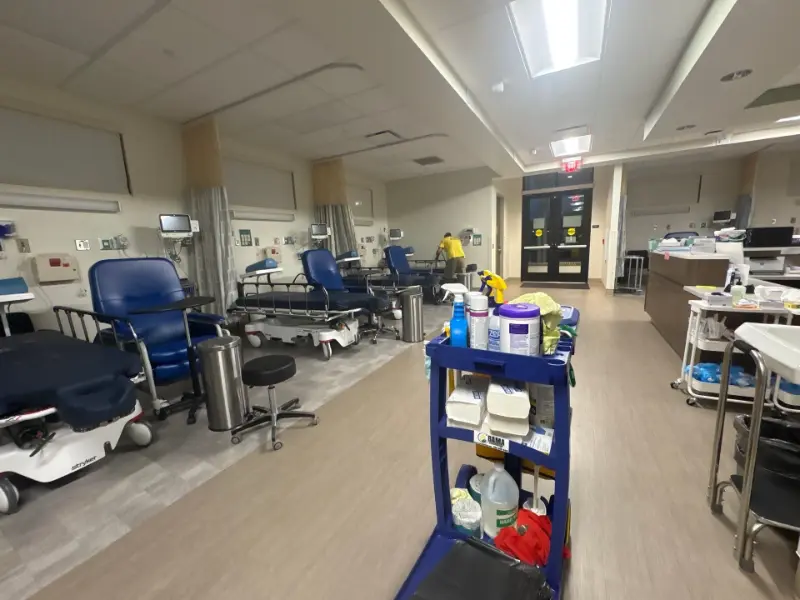
Disinfection & Cross-Contamination Controls
A Decatur medical office can organize environmental cleaning as a sequence from agreed lower-risk areas to restrooms and other separately handled zones. The exact order depends on the facility's floor plan and infection-control requirements. A practical walkthrough lists accessible noncritical touchpoints such as approved counters, door hardware and restroom fixtures, as well as surfaces that must not be handled without clinical staff guidance.
Where disinfection is included, the task should specify which compatible surfaces receive an EPA-registered product and how the crew will follow application and wet contact-time directions. Color-coded cloths and dedicated restroom materials can support separation between zones. These environmental methods are not a substitute for processing patient-care devices, sterilizing instruments or handling regulated waste; those responsibilities stay with the practice.
Frequently handled surfaces are identified in the scope instead of left to memory.
Applicable disinfectants are used according to manufacturer instructions and contact-time requirements.
Color coding and planned sequencing support separation between restrooms and patient-facing areas.
Service can be scheduled around appointments, staff flow and building access.
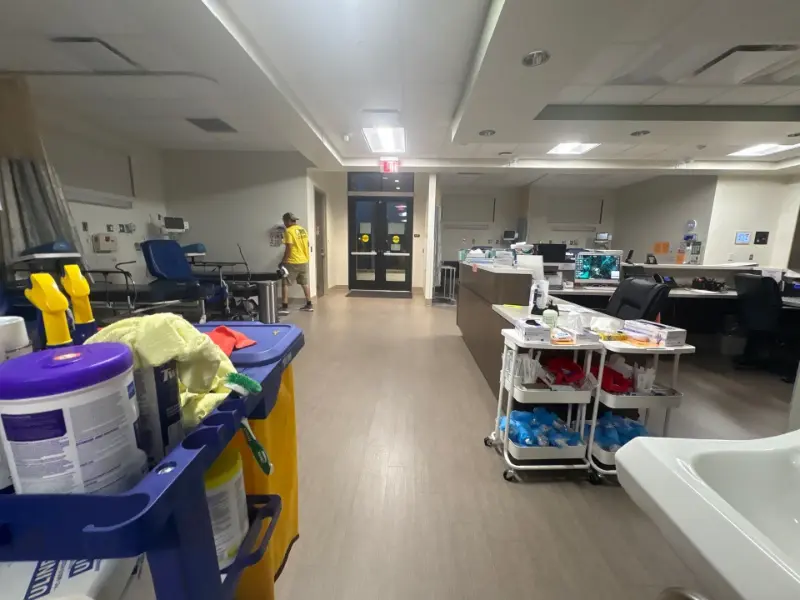
Local Operating Plan
A multi-room practice can quickly become inconsistent if every cleaner decides priorities on the fly. We prefer to establish the order of work during the walkthrough: patient-facing rooms, treatment support areas, restrooms, administrative spaces and staff areas each receive an appropriate frequency and clearly defined tasks.
That structure also helps when a Decatur practice expands or shifts hours. If one department adds patient volume, the account can increase service in that zone without unnecessarily changing the rest of the building. A written checklist gives both the practice manager and the crew a stable baseline for review.
Broader non-clinical needs can be handled through commercial cleaning in Decatur or Decatur janitorial services. Periodic hard-floor projects can be coordinated through commercial floor cleaning in Decatur without changing the core medical cleaning scope.

Prepared Oversight for Multi-Room Practices
Multi-room medical practices require more than a general instruction to disinfect “high-touch surfaces.” Owner Cesar Garcia has completed Bloodborne Pathogens training through the National OSHA Foundation, with coursework addressing exposure awareness, work-practice controls, PPE and other subjects connected to OSHA’s Bloodborne Pathogens Standard, 29 CFR 1910.1030.
For Decatur healthcare clients, that training is relevant when responsibilities are being separated at the walkthrough. The recurring cleaning scope can cover the environmental surfaces assigned to the cleaning team, while sharps, regulated medical waste and exposure-related cleanup remain outside ordinary janitorial work unless a properly defined and qualified process says otherwise.
The training certificate supports awareness and better questions; it does not replace the healthcare practice’s exposure-control program or an employer’s OSHA obligations. Our bloodborne pathogen cleanup requirements article goes deeper into those distinctions.

Consistency Across Larger Practices
Decatur medical offices with several exam rooms, staff areas and patient-facing spaces need a plan the crew can repeat even on busy days. Cesar Garcia owns Mid City Commercial Cleaning and helps guide client communication and the standards behind recurring service. His involvement is most useful when the facility wants a dependable routine rather than a different interpretation of the scope on every visit.
That can mean separating daily priorities from rotational tasks, documenting after-hours access and identifying where traffic is concentrated. If a practice expands, changes patient flow or adds new rooms, the account can be adjusted deliberately instead of allowing the original checklist to become outdated.
More information about Cesar is available on his profile, with additional company background on the About page.
Planning Your Facility
A useful Decatur cleaning plan follows the way an appointment moves through a facility. Patients arrive at the entrance, visit reception, wait, enter a care room and exit. Each stage involves different surfaces and a different access pattern. The office manager can identify areas that remain open through closing time and rooms that become available earlier. That information helps set the cleaning sequence without interfering with clinical staff.
Room use can also differ within the same practice. An exam room may need approved environmental surface care after hours, while a records office needs routine dusting and a staff lounge requires attention to food-related surfaces. The checklist should make those differences visible. It should also explain who prepares sensitive equipment and where used clinical supplies are placed before the janitorial visit.
For larger Decatur properties, a review meeting can use the zones to identify whether a problem is isolated or recurring. If a certain entrance mat accumulates debris or a restroom experiences more traffic, the facility can request a change to that area's frequency rather than rewrite the entire agreement. The plan stays workable as patient flow and facility use change.
Facilities We Serve
Decatur cleaning scopes may be developed for family-practice offices, dental and specialty clinics, rehabilitation spaces or other outpatient buildings. Some properties have several treatment rooms along one corridor; others contain separate administrative and clinical wings. The proposal can split the facility into zones, specify which restrooms and shared spaces belong to the service and allow periodic work to be approved independently.
Waiting, exam, staff and restroom areas built into a recurring routine.
Patient-facing and support spaces cleaned around practice hours.
Shared treatment, reception, restroom and staff areas kept orderly.
Custom scopes for outpatient, diagnostic and multi-room professional facilities.
Periodic Care
In a Decatur building with both hard-surface patient corridors and carpeted administrative rooms, one maintenance method will not suit every area. Carpet extraction, machine floor work and post-renovation dust removal need separate assessment and scheduling. The practice should know when floors can be reopened and whether furniture must move. These projects are better documented as add-ons than allowed to consume the time set aside for routine patient-area cleaning.
A Decatur floor-care quote should distinguish patient corridors from carpeted back-office areas, since they may need different project windows. For those needs, review commercial floor cleaning in Decatur, commercial carpet cleaning in Decatur or post-construction cleaning in Decatur. The commercial cleaning scope-of-work guide explains why defining routine and periodic tasks separately makes contracts easier to manage.
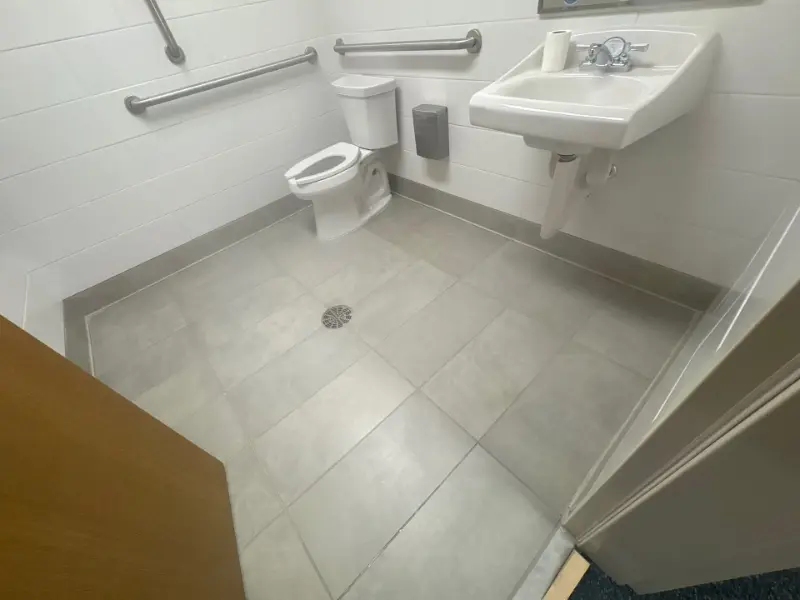
Why Practices Work With Mid City
Decatur practices need predictable service, especially when cleaning happens after patients leave. We use written expectations, defined access procedures and repeatable room priorities so the quality of the program does not depend on informal verbal instructions.
Zone-based feedback allows a practice to report a change in one Decatur room without obscuring the baseline for the rest of the building. The most useful medical cleaning relationship is one where expectations stay visible after the first walkthrough. We document tasks, communicate when something changes and keep specialty projects separate from the recurring baseline so the account remains easy to understand.
FAQ
A zone plan reflects different room uses and makes task frequency easier to explain. Reception, clinical rooms, staff offices and restrooms can each have their own approved responsibilities.
That can be discussed if the practice formally releases those rooms and the schedule allows it. Occupied treatment spaces remain under the facility’s control.
The walkthrough should record floor materials and routine care requirements. Deep carpet extraction or machine floor work is typically priced separately from nightly cleaning.
Routine removal of soil and label-directed surface disinfection are different actions. The agreed plan should identify compatible noncritical surfaces and follow EPA product directions when disinfection applies.
No. Sharps and regulated medical waste are excluded from routine environmental cleaning and should remain with the facility’s designated qualified provider.
Request a Walkthrough
During a Decatur walkthrough, point out your patient route, room-release sequence and different flooring materials. Tell us how your facility is used, when patients are present and which rooms matter most. We can walk the space, define the recurring scope and recommend a schedule that fits the practice rather than forcing the practice into a generic cleaning package.
Call (256) 809-0407, email cesar@midcitycommercialcleaning.com, or use the quote form.
Free Quote
Share your facility type, approximate square footage, preferred cleaning schedule, access requirements, and priority areas so we can prepare a practical medical-facility cleaning quote.