Restaurant Cleaning & Food-Safety Guide
To clean a restaurant kitchen to health code, remove food and debris first, wash surfaces with the correct detergent, rinse away soil and cleaner, sanitize food-contact surfaces with an approved sanitizer at the label concentration and contact time, then let equipment and utensils air-dry. During continuous use with time/temperature-control-for-safety food, many food-contact surfaces must be cleaned at least every four hours unless a specific exception applies. Cooking surfaces must stay free of encrusted grease, floors and non-food-contact surfaces must be kept clean, waste must be controlled, and sanitizer strength should be verified with the correct test kit.
That is the cleaning side of health-code readiness. It is not the whole inspection.
A restaurant can have shiny floors and still receive violations for unsafe food temperatures, poor handwashing, cross-contamination, plumbing problems, pest activity, or employee-health issues. In Huntsville, restaurants are regulated through the Alabama Department of Public Health and Madison County Health Department, so your cleaning program should support—not replace—your complete food-safety system.
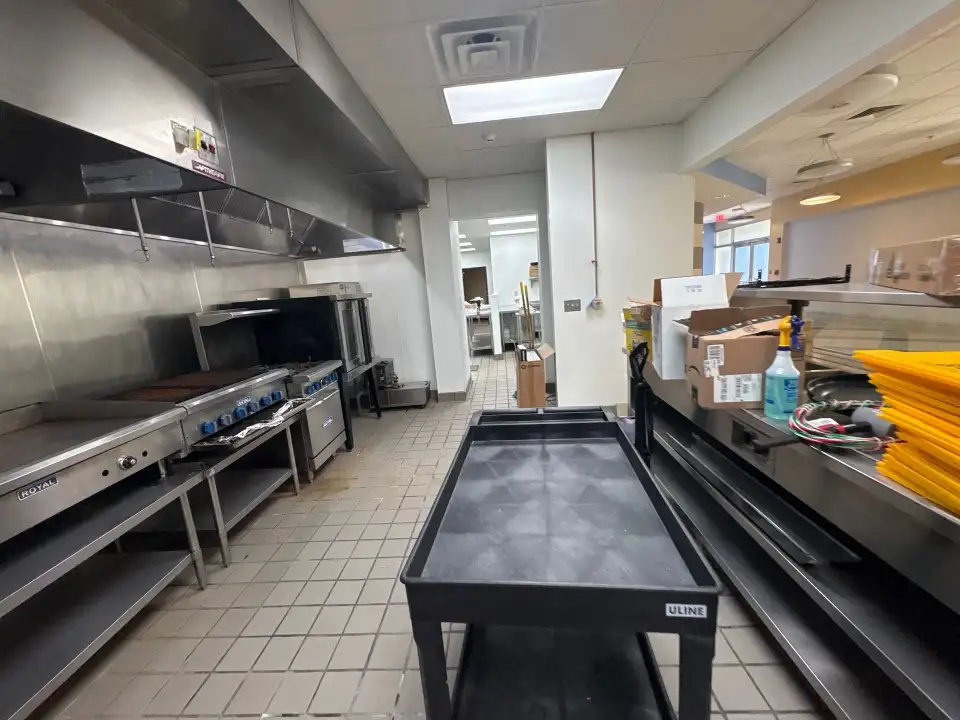
What Does “Clean to Health Code” Mean in Alabama?
For Alabama restaurants, the starting point is Alabama Administrative Code Chapter 420-3-22, Food Establishment Sanitation. The current rule incorporates Chapters 1 through 8 of the 2013 FDA Food Code, subject to Alabama-specific changes.
That matters because “health code” is not a vague cleanliness standard. The rules address food handling, employee practices, equipment, cleaning and sanitizing, water and plumbing, waste, physical facilities, chemicals, and enforcement.
The Madison County Health Department inspects food establishments on a 100-point scale. Inspection scores reflect compliance with minimum health standards at the time of inspection.
Important: This article is a practical cleaning guide, not a substitute for your permit requirements, certified food-protection training, HACCP plan where required, equipment manufacturer instructions, chemical labels, or directions from your local health inspector.
The Five-Step Process: Remove, Wash, Rinse, Sanitize, Air-Dry
The most common cleaning mistake in a restaurant kitchen is treating “cleaning” and “sanitizing” as the same step. They are not.
Sanitizer works properly only after food residue, grease, and cleaner have been removed.
- Remove food and loose debris. Protect or remove exposed food, scrape food particles into the proper waste container, and disassemble removable equipment parts when required by the manufacturer.
- Wash. Use water and a detergent or cleaner appropriate for the surface and the type of soil. Grease-heavy cook-line areas may need a degreasing product approved for that use.
- Rinse. Remove loosened soil and cleaning chemicals with clean water or the approved rinse procedure for the equipment.
- Sanitize food-contact surfaces. Apply an approved chemical sanitizer or approved hot-water sanitizing process at the required concentration, temperature, and contact time.
- Air-dry. Allow equipment and utensils to drain and air-dry. Do not towel-dry sanitized utensils before storage.
The FDA Food Code specifically requires food-contact surfaces and utensils to be clean to sight and touch, requires sanitizing before use after cleaning, and requires air-drying or adequate draining after cleaning and sanitizing.
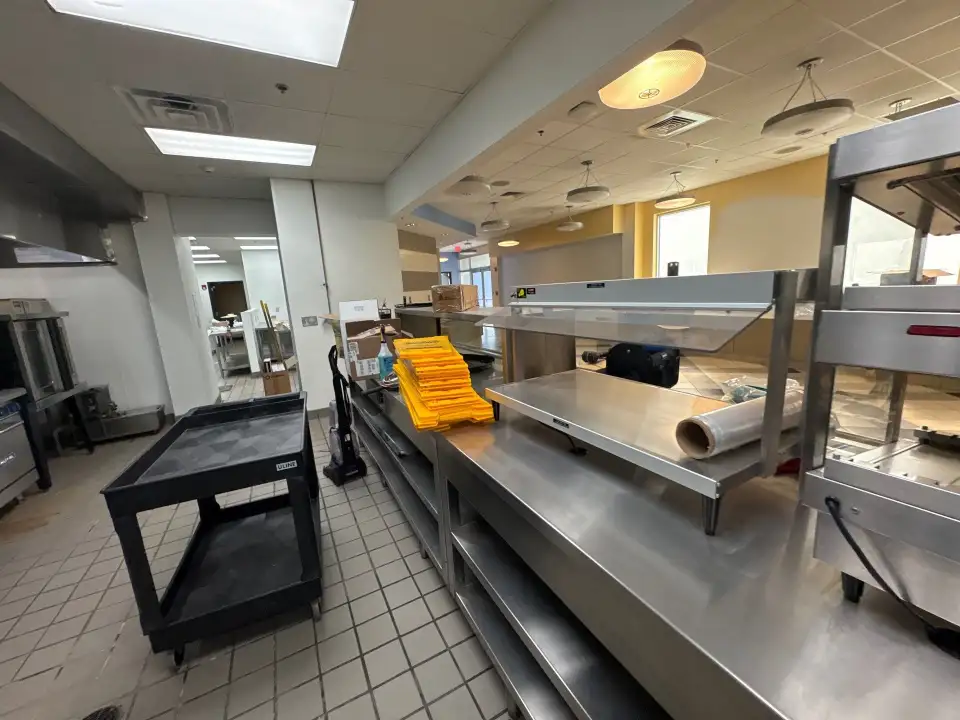
How Often Do Restaurant Food-Contact Surfaces Need to Be Cleaned?
The answer is not simply “once at closing.” Some surfaces need attention repeatedly during service.
| Situation | Cleaning expectation | Why it matters |
|---|---|---|
| Switching from raw food to ready-to-eat food | Clean before the change | Prevents cross-contamination |
| Using a surface continuously with TCS food | Generally at least every 4 hours unless an allowed exception applies | Limits microorganism growth and transfer |
| Contamination may have occurred | Clean immediately before continued use | Removes a known or suspected contamination event |
| Cooking and baking equipment food-contact surfaces | At least every 24 hours in the general rule, subject to stated exceptions | Prevents encrusted food and grease buildup |
| Non-food-contact equipment surfaces | As often as needed to prevent soil accumulation | Reduces debris, pests, and indirect contamination |
Under FDA Food Code §4-602.11, equipment food-contact surfaces used with time/temperature-control-for-safety food generally must be cleaned throughout the day at least every four hours, unless one of the code’s specific exceptions applies.
The same section also calls for cleaning when switching from raw foods to ready-to-eat foods and whenever contamination may have occurred.
Operational takeaway: Build food-contact cleaning into the shift schedule. Do not rely on the closing crew to fix contamination that should have been corrected during service.
How Do You Sanitize a Restaurant Kitchen Correctly?
Use a sanitizer that is approved for the intended food-contact application and follow its EPA-registered label instructions. The Food Code ties chemical sanitizing effectiveness to factors including concentration, temperature, pH, water hardness for some products, and contact time.
Do not guess sanitizer strength by color or smell. FDA Food Code §4-501.116 requires the concentration of a sanitizing solution to be accurately determined with a test kit or other appropriate device.
That means your restaurant should have the correct test strips or testing device for the sanitizer you actually use.
Do Not Make the Sanitizer “Extra Strong”
More chemical is not automatically safer. A solution that is too weak may not sanitize effectively, while an overly concentrated product may violate label directions or leave an unsafe chemical residue.
Never mix cleaning chemicals unless the product manufacturer specifically directs it. In particular, never mix chlorine bleach with ammonia, acids, or other cleaners. Use the product label, safety data sheet, and your establishment’s chemical procedures.
For a restaurant cleaning program, document the sanitizer used, where it is used, how concentration is checked, and who is responsible for replacing the solution.
How Should a Three-Compartment Sink Be Used?
For manual warewashing, think of the three compartments as wash → rinse → sanitize, followed by air-drying.
- Pre-scrape. Remove food debris before placing utensils or equipment parts into the wash compartment.
- Wash. Use the correct detergent solution and wash temperature for the product and procedure.
- Rinse. Remove detergent and loosened soil in the rinse compartment.
- Sanitize. Immerse or treat items using the approved sanitizer concentration, temperature, and contact time.
- Air-dry. Place items so they drain and dry without towel wiping or recontamination.
Alabama’s restaurant-construction guidance requires an adequately sized three-compartment sink for the intended operation and drainboards so utensils, pots, and pans can air-dry.
Restaurant Kitchen Health-Code Closing Checklist
A closing checklist should be specific enough that a manager can verify the work rather than simply checking a box marked “clean kitchen.”
- Protect, cool, label, and store food correctly before deep cleaning starts.
- Remove food debris from prep tables and equipment.
- Wash, rinse, sanitize, and air-dry food-contact surfaces.
- Clean cutting boards and utensils and store them protected.
- Clean slicers, mixers, can openers, and removable equipment components as required.
- Remove grease and food accumulation from cook-line surfaces.
- Clean fryer exteriors and the surrounding splash/grease zone.
- Clean reach-in handles, gaskets, doors, and accessible shelving.
- Clean backsplash and wall areas exposed to food and grease.
- Sweep or otherwise remove loose floor soil with an approved dust-control method.
- Degrease and wet-clean kitchen floors without contaminating food or clean equipment.
- Clean cove base, equipment legs, edges, and hard-to-reach soil traps.
- Keep floor sinks and drain surrounds free of visible buildup.
- Empty waste and keep food-residue receptacles properly covered when required.
- Clean handwashing sinks without blocking them with tools or supplies.
- Dispose of mop water through the approved utility/mop sink—not a food-prep or hand sink.
- Rinse, clean, and hang mops so they can air-dry without contaminating walls or equipment.
- Store brooms, mops, and maintenance tools away from food and clean equipment.
- Check for pest evidence and eliminate food/grease harborage conditions.
- Record sanitizer/test-strip checks and manager verification if your procedure requires logs.
FDA Food Code §6-501.12 says physical facilities should be cleaned as often as necessary and, except for spills or accidents, cleaning should be done when the least amount of food is exposed—such as after closing.
How Should Restaurant Kitchen Floors, Grease, and Equipment Be Cleaned?
Kitchen floors are different from office floors. Grease, food particles, water, textured tile, grout, equipment legs, and drain areas create places where a quick mop can simply move soil around instead of removing it.
Start by removing loose debris, then use a floor-cleaning chemistry appropriate for the soil and flooring material. Allow the product its labeled dwell time when applicable, agitate textured tile and grout mechanically or with appropriate brushes, and remove the dirty solution rather than spreading it back across the floor.
Pay special attention to:
- Cook-line edges
- Under and around movable equipment
- Cove base
- Grout lines
- Dish-pit approaches
- Walk-in entrances
- Floor sinks and drain surrounds
- Dumpster and grease-handling transition areas
The Food Code requires non-food-contact equipment surfaces to be kept free of accumulated dust, dirt, food residue, and other debris. Cooking-equipment food-contact surfaces and pans must also be kept free of encrusted grease deposits and other soil accumulation.
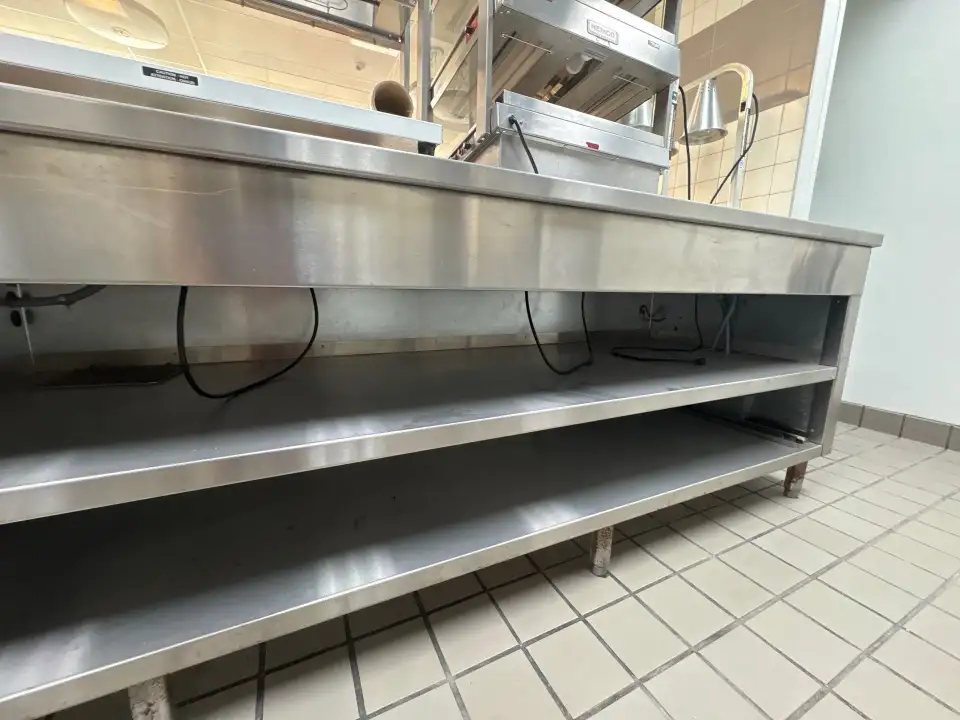
What About the Hood, Filters, and Exhaust System?
Do not treat the entire exhaust system as an ordinary wipe-down task.
Restaurant staff can normally maintain accessible exterior hood surfaces and removable components according to the equipment and fire-safety procedures for the facility. Grease-laden exhaust hoods, filters, ducts, and fans may require specialized scheduled cleaning and documentation.
If your Huntsville restaurant needs that separate service, see our commercial hood cleaning page.
For routine and deep cleaning across the kitchen, dining areas, floors, and restrooms, see our restaurant cleaning services in Huntsville.
How Do You Prepare a Restaurant Kitchen for a Health Inspection?
Do not prepare only for the appearance of the kitchen. Walk the facility as if you were the inspector.
Before service, verify:
- Food-contact equipment is clean to sight and touch.
- Required food-contact surfaces have been sanitized after cleaning.
- Sanitizer test strips or the appropriate testing device are available and usable.
- Clean utensils are air-dried and stored to prevent contamination.
- Handwashing sinks are accessible and supplied for handwashing.
- Refrigeration can maintain required food temperatures; Alabama guidance notes a maximum food temperature of 41°F for refrigerated food requiring cold holding.
- Floors, walls, ceilings, equipment exteriors, and plumbing fixtures are clean and in good repair.
- Trash and food waste are controlled and receptacles are maintained.
- There is no evidence of uncontrolled insects or rodents.
- Chemicals are properly used and stored so they cannot contaminate food or food-contact surfaces.
A spotless kitchen is necessary, but not sufficient. Temperature control, handwashing, employee health, safe food sources, storage, cooking, cooling, and cross-contamination controls are also inspection issues.
What Can a Professional Restaurant Cleaning Company Handle?
A professional cleaning crew can take much of the heavy environmental cleaning off your food-service team’s plate: degreasing kitchen surfaces, deep-cleaning floors, cleaning accessible equipment exteriors, sanitizing agreed surfaces, cleaning restrooms and dining areas, and handling scheduled detail work after close.
But outsourcing cleaning does not outsource the restaurant operator’s health-code responsibility.
Your managers and food employees still control food temperatures, cooking and cooling procedures, allergen practices, handwashing, employee illness policies, food storage, in-service utensil changes, and many other requirements that a nighttime cleaning company cannot monitor during food production.
The best arrangement is a written division of responsibility: staff own the food-safety tasks that happen throughout service, while the cleaning company owns clearly defined environmental and deep-cleaning tasks. A written cleaning scope of work helps prevent critical tasks from falling between the two teams.
If you want help with the cleaning portion, you can review our Huntsville restaurant cleaning service or request a walkthrough and quote.
Frequently Asked Questions About Cleaning a Restaurant Kitchen to Health Code
What is the correct order for cleaning and sanitizing a restaurant kitchen?
For food-contact equipment and utensils, remove food debris first, wash with the appropriate detergent, rinse away soil and cleaner, sanitize using an approved method at the required concentration and contact time, and then allow the item to air-dry or adequately drain before storage or use.
How often must restaurant food-contact surfaces be cleaned?
Under the FDA Food Code adopted by Alabama, food-contact surfaces used continuously with time/temperature-control-for-safety food generally must be cleaned at least every four hours unless a specific exception applies. They also need cleaning when contamination may have occurred and at specified changes in food use, such as moving from raw food to ready-to-eat food.
Do you sanitize before or after cleaning?
Sanitize after cleaning and rinsing. Food residue and grease can prevent sanitizer from working effectively, so a visibly dirty surface should not simply be sprayed with sanitizer and considered clean.
How do you know restaurant sanitizer is strong enough?
Use the test strips, test kit, or other measuring device appropriate for the sanitizer and follow the EPA-registered product label. The Food Code requires sanitizer concentration to be accurately determined rather than guessed.
Can a restaurant fail a health inspection even if the kitchen looks clean?
Yes. Cleanliness is only one part of an inspection. Unsafe food temperatures, cross-contamination, blocked or improperly supplied handwashing sinks, employee-health issues, pest activity, plumbing problems, improper chemical use, and other food-safety violations can affect an inspection even when the room looks visually clean.
Does hiring a professional restaurant cleaner guarantee a passing health inspection?
No. Professional cleaning can support compliance by handling the agreed environmental and deep-cleaning tasks, but the restaurant operator remains responsible for the full food-safety program, including employee practices, food temperatures, cooking and cooling, storage, sanitation during service, equipment condition, and other regulatory requirements.
Published: September 10, 2026 · Reviewed against current Alabama food-establishment rules: September 10, 2026