Manufacturing & Industrial Cleaning
Manufacturing Facility Cleaning Checklist: Daily, Weekly & Shutdown Tasks
A manufacturing facility cleaning checklist should separate routine housekeeping from weekly detail work, periodic projects and machine-related shutdown cleaning. Daily checks should cover walking-working surfaces, aisles, leaks, spills, waste, restrooms, breakrooms and process debris that can create safety or quality problems. Weekly and periodic work can address edges, ledges, floor scrubbing, storage zones and accessible overhead dust. Machine cleaning must follow the plant’s safety procedures, and OSHA lockout/tagout can apply when cleaning exposes workers to unexpected startup or stored energy. Facilities with combustible dust, hazardous chemicals, food, pharmaceuticals or other regulated processes need additional hazard-specific procedures.
The checklist should never tell a cleaner to enter machinery, handle an unknown spill or blow down accumulated dust simply because the task appears on a schedule. A useful plant checklist identifies the area, task, method, frequency, responsible role, safety condition and escalation point so routine janitorial work stays separate from maintenance, production sanitation and hazardous work.
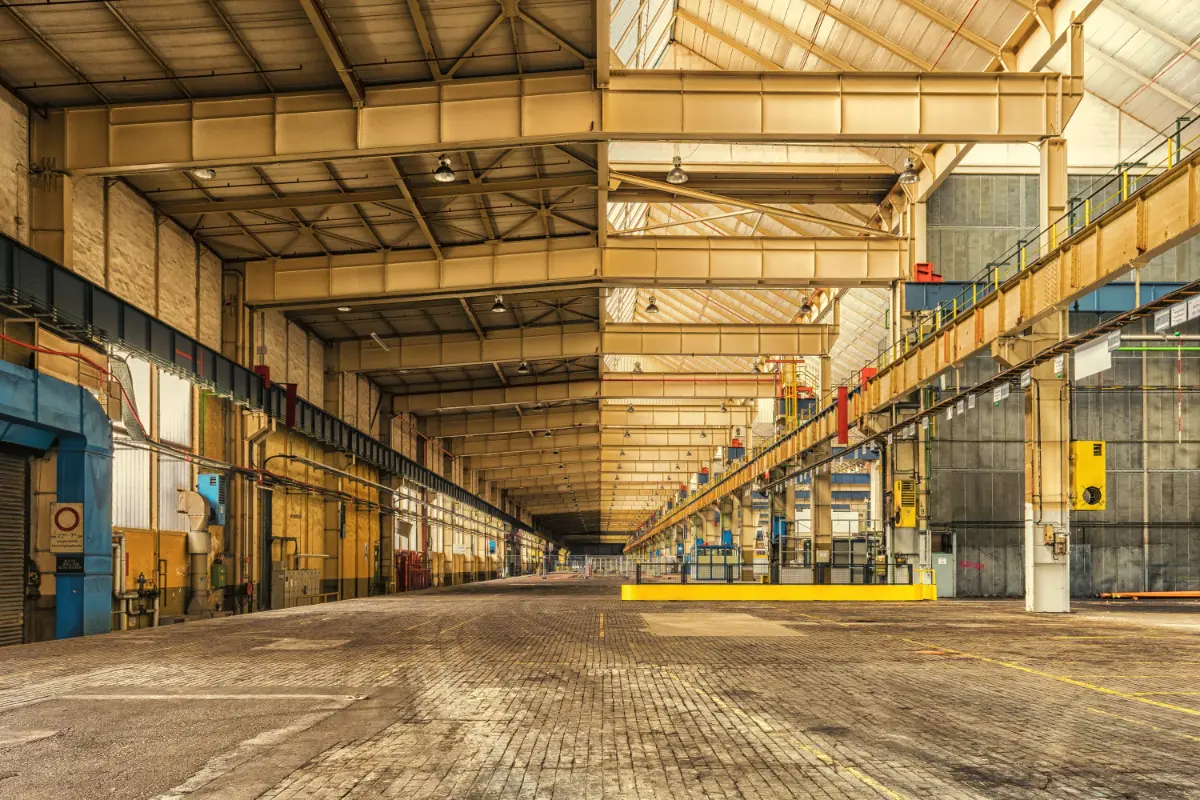
Manufacturing Facility Cleaning Checklist at a Glance
A general manufacturing checklist should begin with conditions that affect safety, production flow and visible housekeeping. OSHA 1910.22 requires workplaces, passageways, storerooms, service rooms and walking-working surfaces to be kept clean, orderly and sanitary; floors must be kept clean and, as far as feasible, dry; and hazards such as leaks and spills must be addressed.
- Aisles and walkways: Remove loose debris, packaging, scrap and other obstructions; identify leaks, spills or damaged walking surfaces.
- Production-floor perimeter: Sweep, vacuum or clean accessible soil without crossing machine guards or restricted boundaries.
- Loading and staging areas: Remove packaging debris, loose material and tracked soil; keep pedestrian paths distinguishable.
- Waste stations: Empty approved containers, replace liners where applicable and report overflowing, leaking or unidentified waste.
- Restrooms and breakrooms: Clean fixtures, counters, floors, waste and touchpoints; replenish agreed consumables.
- Offices and quality rooms: Clean floors and accessible surfaces according to contamination-control and document-handling rules.
- Machine exteriors: Clean only the exterior surfaces specifically included in the scope and only when plant rules allow it.
- Floor condition: Remove dry soil, address compatible wet-cleaning tasks and report coating damage, cracks, pooling or recurring leaks.
- Dust accumulation: Inspect accessible ledges, beams, equipment tops and structural surfaces according to the facility’s dust-hazard assessment.
- Chemical storage and use: Keep cleaning chemicals labeled, stored and used under the plant’s Hazard Communication procedures.
- Spills: Clean only known materials that workers are trained and equipped to handle; isolate and escalate unknown or hazardous spills.
- Quality-control closeout: Record missed tasks, unusual buildup, safety concerns, leaks and conditions that require maintenance or production action.
Important: a cleaning checklist is not permission to perform every task on the list. The facility’s safety procedures, training, energy-control rules and hazard assessments determine who may perform the work and under what conditions.
For the regulatory framework behind these controls, use the separate manufacturing cleaning requirements guide. That published page owns the requirements intent; this checklist is intentionally operational.
What Should Be Cleaned Daily, Weekly and Periodically?
There is no universal OSHA rule requiring every factory to clean the same surfaces at the same interval. Frequency should be high enough to keep the facility within its safety, process, quality and housekeeping standards. A plant that generates fine powder, metal chips or oily residue can require a very different route from a light assembly operation.
Illustrative schedule: the cadence below is a planning example, not a legal minimum. Increase or decrease frequency based on actual soil generation, traffic, process risk, spill history, dust accumulation, product requirements and manufacturer instructions.
| Frequency | Illustrative tasks | Escalation trigger |
|---|---|---|
| Each shift / daily | Walking aisles, loose debris, approved waste, known spills, restrooms, breakrooms, loading paths and obvious floor hazards. | Debris or liquid creates a slip, trip, contamination or access hazard before the scheduled clean. |
| 2–3 times per week | Lower-traffic storage lanes, office floors, secondary staging zones, accessible machine-exterior dust and detail vacuuming. | Soil returns before the next visit or interferes with material flow or inspections. |
| Weekly | Floor edges, corners, base areas, dock details, low ledges, doors, service-room detail and deeper employee-area cleaning. | Buildup becomes visible earlier or the process generates unusual residue. |
| Monthly / periodic | Machine scrubbing where compatible, high-access dusting within approved reach, detailed racking or wall work, carpet extraction and lower-priority zones. | Floor wear, dust loading or audit findings require a shorter cycle. |
| Planned shutdown | Machine areas, guarded zones, deep equipment-adjacent cleaning, elevated structure, difficult-access spaces and work that requires energy isolation. | Production schedule, maintenance plan, contamination control or energy-control procedure. |
| Condition-based | Unknown spills, heavy leaks, combustible dust accumulation, unusual residue, post-maintenance debris or contamination events. | Stop routine cleaning and follow the plant’s hazard-specific response procedure. |
Facilities should also decide whether cleaning is performed by production employees, maintenance, environmental services, a contractor or a combination. Assigning frequency without assigning responsibility creates gaps.
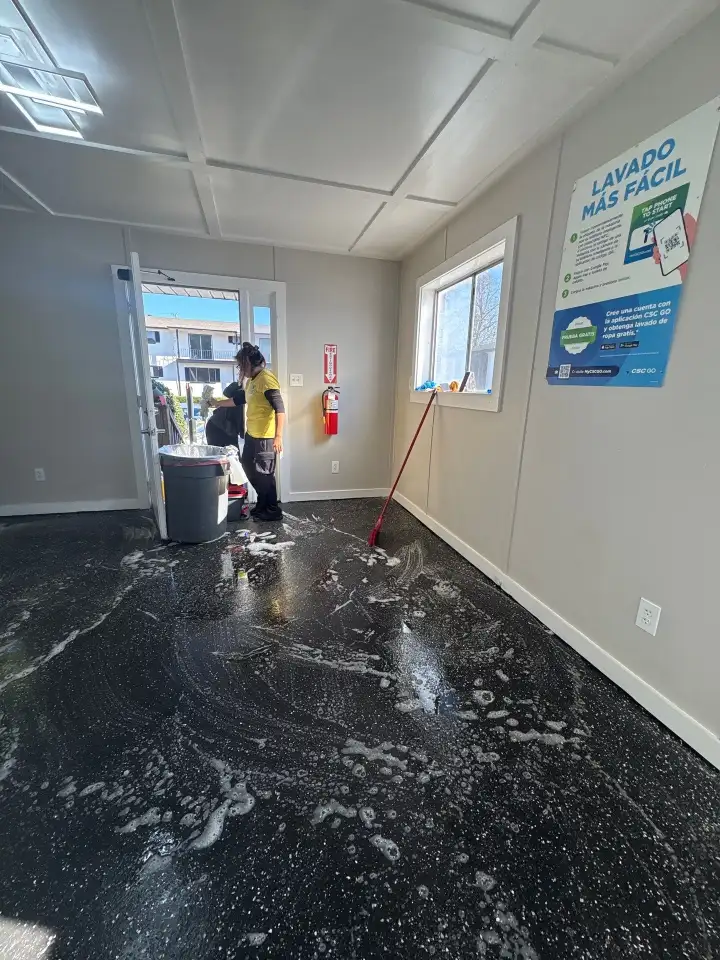
Manufacturing Cleaning Checklist by Plant Zone
Zone-based checklists are easier to train, inspect and improve than one generic “clean factory” instruction. Each zone can have its own method, frequency and stop-work conditions.
Production Aisles
Remove loose debris and process residue from approved walking lanes. Keep access and egress clear. Report leaks, broken flooring, protrusions or recurring contamination instead of treating every condition as a janitorial issue.
Machine Perimeters
Clean accessible floors and approved machine exteriors without reaching into guards, pinch points or operating zones. Clearly mark where routine housekeeping ends and maintenance responsibility begins.
Warehouse & Staging
Address pallet debris, packaging, dust, traffic lanes and dock approach areas. Avoid allowing cleaning equipment to interfere with forklifts, staged loads or active shipping operations.
Loading Docks
Remove loose debris, inspect pedestrian paths and clean soil that can be safely handled. Oil, chemicals or unknown substances require the appropriate spill procedure rather than automatic mopping.
Restrooms & Breakrooms
Keep employee areas on a predictable recurring schedule. These areas usually resemble commercial janitorial work more than production cleaning, but access and chemical rules still apply.
Quality / Office Areas
Use separate tools or procedures if the facility needs contamination control. Do not move production records, samples, test materials or sensitive documents unless the scope permits it.
Utility & Service Rooms
Remove routine housekeeping soil only when access is approved. Electrical, mechanical and process-equipment rooms may have restricted-clearance, energy or chemical hazards that require specialized authorization.
Overhead Surfaces
Inspect beams, pipes, ledges and equipment tops for dust accumulation. Access methods and dust-control techniques must be chosen for the hazard; generic compressed-air blowdown can disperse hazardous dust.
When the need is transactional rather than educational, Mid City provides industrial cleaning for Huntsville facilities. This article remains focused on building the checklist, not selling the local service.
How Should Cleaning Chemicals and Spills Be Handled?
Cleaning chemicals belong inside the facility’s Hazard Communication system when OSHA 1910.1200 applies. The standard requires covered employers to communicate hazardous-chemical information through a written program, labels, Safety Data Sheets and employee information and training. It also specifically calls out non-routine tasks, such as cleaning reactor vessels, as situations whose hazards must be communicated.
- Use the approved chemical for the task and surface.
- Keep workplace containers labeled under the facility’s HazCom procedure.
- Make required Safety Data Sheets readily accessible during the work shift.
- Train workers on the hazards of chemicals they use or may encounter.
- Do not mix chemicals unless the manufacturer’s instructions and facility procedure explicitly allow it.
- Do not treat an unidentified spill as ordinary mop water.
- Escalate leaks or spills that exceed the cleaner’s training, PPE or assigned scope.
- Coordinate contractor access to hazard information when multiple employers work at the same site.
Cleaning is not spill response by default. A routine janitorial worker who is trained to clean detergent residue is not automatically qualified to respond to a leaking process chemical, corrosive, solvent, unknown powder or other hazardous release.
What Should Be on a Shutdown and Machine-Cleaning Checklist?
Planned shutdowns create access to areas that cannot be safely or efficiently cleaned while production is running. They can also create additional risk because guards may be opened, equipment may be partially disassembled and multiple departments or contractors may be working at once.
OSHA’s lockout/tagout standard covers servicing and maintenance when unexpected energization, startup or release of stored energy could injure workers. The standard’s definition of servicing and maintenance includes cleaning and unjamming when the worker may be exposed to that hazardous energy.
- Define the machine status. State whether the equipment is operating, stopped, isolated, locked out or released for cleaning.
- Identify the authorized role. Routine cleaners should not apply or remove energy-control devices unless they are authorized under the facility’s program.
- Confirm boundaries. Specify which guards, panels, pits, conveyors, hoppers or machine interiors are excluded from normal janitorial work.
- Remove loose material safely. Use the facility-approved method for chips, powders, oils and residues.
- Control tools and equipment. Make sure vacuums, scrubbers, ladders and electrical equipment are approved for the environment in which they will be used.
- Coordinate multiple crews. Maintenance, production and cleaning teams need one clear handoff so nobody restores energy while another crew is still exposed.
- Inspect before release. Remove cleaning tools and nonessential items, verify the area is ready and follow the employer’s energy-control release procedure.
Not every wipe-down requires lockout/tagout. The trigger is exposure to hazardous energy during servicing or maintenance. The facility’s energy-control program should determine when cleaning crosses that boundary.

How Should You Adjust the Checklist for Your Plant?
A checklist should reflect the actual process, not the industry label alone. Two manufacturing plants with the same square footage can require completely different housekeeping programs.
Process Residue
Dry powder, metal chips, oil mist, packaging debris and water-based residue all require different collection methods. The soil type should drive equipment and frequency.
Floor System
Bare concrete, polished concrete, epoxy, tile and resilient flooring do not share one universal chemical or brush. Follow the floor manufacturer’s maintenance guidance and the facility’s approved products.
Traffic Pattern
Forklift aisles, pedestrian lanes, docks and low-use storage corners soil at different rates. Increase attention where traffic creates recurring debris or tracked residue.
Dust Hazard
If dust can burn or explode, housekeeping methods must be selected around that hazard. OSHA guidance emphasizes routine removal while avoiding methods that disperse hazardous dust clouds.
For plant-floor projects that go beyond routine housekeeping, see Mid City’s industrial and commercial floor-cleaning service. Floor restoration or deep scrubbing should remain distinct from ordinary shift housekeeping when it requires different equipment or shutdown time.
Likewise, accumulated overhead dust may need a separate access and containment plan. Mid City’s high-bay dusting service owns that local service intent rather than this checklist.
How Should a Manufacturing Facility Audit Cleaning Performance?
A checklist becomes useful when supervisors can verify the result without relying on vague language such as “looks clean.” Use observable standards and document exceptions.
- Inspect by zone. Walk the same route consistently: entrances, employee areas, production aisles, machine perimeters, staging, docks and storage.
- Define acceptable condition. “Aisle free of loose debris and standing liquid” is easier to audit than “aisle cleaned.”
- Separate cleaning from maintenance. Cleaners may discover leaking equipment, damaged guards or floor defects, but those conditions need the responsible department.
- Track recurring misses. Repeated oil at the same machine may indicate a maintenance problem rather than insufficient mopping.
- Record stop-work events. Unknown spills, hazardous dust, unapproved access or energized-equipment concerns should be documented and escalated.
- Review frequencies after changes. New production lines, higher throughput, seasonal conditions or shift changes can alter housekeeping needs.
- Audit contractor boundaries. Confirm which tasks the cleaning contractor owns and which require production, maintenance, EHS or another specialist.
The strongest program treats housekeeping data as operational feedback. If the same debris, spill or dust condition appears repeatedly, the correct answer may be source control, repair, ventilation or process change—not simply adding more cleaning labor.
Frequently Asked Questions About Manufacturing Facility Cleaning Checklists
What should be on a manufacturing facility cleaning checklist?
Include walking aisles, production-floor perimeters, loading and staging zones, approved waste, restrooms, breakrooms, offices, machine exteriors, floors, spills, dust accumulation, chemical controls and a reporting or quality-control step. Machine interiors and hazardous work should be separately authorized.
Does OSHA require a manufacturing plant to be cleaned every day?
OSHA does not prescribe one universal daily-cleaning schedule for every manufacturing facility. OSHA 1910.22 requires workplaces and walking-working surfaces to be kept clean, orderly and sanitary, floors to be kept clean and as dry as feasible, and hazardous conditions such as leaks and spills to be corrected. The facility should set frequencies that maintain those conditions.
Can janitorial staff clean manufacturing equipment?
Only when the task is within their training and assigned scope and can be performed under the facility’s safety procedures. If cleaning exposes workers to unexpected startup, energization or stored energy, OSHA’s lockout/tagout requirements may apply.
How often should manufacturing floors be scrubbed?
There is no universal interval. Frequency depends on the floor system, soil, traffic, process residue, slip risk and manufacturer guidance. Some traffic lanes may need frequent scrubbing while lower-use areas can be placed on a rotating schedule.
Can compressed air be used to clean factory dust?
Not as a generic solution. In combustible-dust or other hazardous-dust environments, methods that disperse dust into the air can create serious hazards. The plant should use cleaning methods selected through its dust-hazard and safety procedures.
What should happen if a cleaner finds an unknown spill?
The cleaner should not guess at the material or improvise a response. The area should be reported and handled according to the facility’s spill-response, chemical-safety and access procedures by personnel with the appropriate training and PPE.
Manufacturing Facility Cleaning Checklist: The Practical Bottom Line
The best manufacturing cleaning checklist separates routine housekeeping from hazardous or specialized work. Daily routes should keep walkways, approved waste, employee spaces and ordinary process debris under control. Weekly and periodic work should address detail buildup, floors and lower-priority zones. Shutdown work should be coordinated with maintenance and the facility’s energy-control procedures whenever machine access creates hazardous-energy exposure.
Most importantly, use the checklist to identify recurring conditions rather than simply record completed tasks. A persistent leak, dust source or debris pattern may need engineering, maintenance or process correction. Cleaning supports the plant, but it should not be used to hide a problem that belongs somewhere else.