Property Management
Property Management Cleaning Checklist: Daily, Weekly & Periodic Tasks
A property management cleaning checklist should separate high-traffic daily tasks from weekly detail work, monthly or quarterly maintenance, and vacancy-turnover cleaning. At minimum, property managers should track entrances, lobbies, corridors, elevators, stairwells, restrooms, leasing or management offices, amenity spaces, trash areas, interior glass, floors, and high-touch surfaces. The checklist should name the responsible party, frequency, method, exclusions, and quality-control step for each area. There is no single schedule that fits every building: occupancy, tenant traffic, weather, events, lease turnover, floor type, complaints, and visible soil should determine how often each task is performed.
A useful checklist is more than a list of things to wipe. It should help a property manager answer three questions: what needs attention, how often, and who is accountable for it? That structure makes it easier to compare vendors, inspect completed work, adjust service as occupancy changes, and prevent important common-area tasks from disappearing between routine visits.

Property Management Cleaning Checklist at a Glance
The core checklist should cover the spaces people use repeatedly and the maintenance tasks that affect presentation, hygiene and day-to-day operations. For most managed commercial or multifamily properties, start with the following categories:
- Entrances and lobbies: Remove litter, clean entry glass, spot-clean doors, vacuum or mop floors, straighten furniture and inspect mats.
- Hallways and corridors: Vacuum or sweep traffic lanes, remove debris, spot-clean walls and doors, and check corners and edges.
- Elevators: Wipe buttons and approved touchpoints, clean mirrors and interior panels, vacuum or mop floors, and remove fingerprints.
- Stairwells: Sweep steps and landings, wipe rails, remove cobwebs and litter, and report spills or damage.
- Restrooms: Clean fixtures, sinks, counters, mirrors and floors; empty waste; refill agreed consumables; and inspect touchpoints.
- Leasing or management offices: Empty waste, vacuum or mop, dust accessible surfaces and clean reception or meeting areas.
- Amenity spaces: Reset furniture, remove trash, clean floors and approved surfaces, and address touchpoints based on use.
- Trash and service areas: Remove loose debris, clean surrounding floors where included, and report leaks, odor or pest concerns.
- Interior glass: Spot-clean fingerprints on doors, partitions and entry glass; schedule full detailing separately when needed.
- Floors: Match vacuuming, mopping, autoscrubbing, carpet extraction or restorative work to the actual floor system.
- High-touch points: Include handles, rails, elevator controls, touchpads and restroom fixtures based on traffic and risk.
- Inspection and reporting: Record missed tasks, maintenance issues, damage, spills, supply shortages and recurring problem areas.
Candid point: a longer checklist is not automatically a better checklist. If every item is marked “daily” regardless of traffic or need, the property may pay for low-value work while still missing the areas tenants notice most.
What Should Be Cleaned Daily, Weekly and Periodically?
There is no universal legal frequency for ordinary property-management cleaning. CDC guidance for community facilities recommends cleaning high-touch surfaces regularly, cleaning other surfaces when visibly dirty, and increasing attention in high-traffic areas. It also notes that routine cleaning is often enough in ordinary community settings and that disinfection is more situational than many older checklists suggest.
Illustrative schedule: The frequencies below are planning examples, not regulatory minimums. A busy apartment tower, a lightly occupied office building and a mixed-use property may need very different service levels.
| Frequency | Illustrative tasks | When to increase frequency |
|---|---|---|
| Daily / each service day | Entry areas, visible litter, lobby floors, restroom touchpoints, waste, elevator controls, obvious spills and tenant-facing presentation issues. | High occupancy, bad weather, events, heavy deliveries, move-in days or repeated complaints. |
| 2–3 times per week | Lower-traffic corridors, office dusting, amenity rooms with moderate use, detailed vacuuming and secondary common spaces. | Traffic rises, soil is visible between visits or tenants use the area more than expected. |
| Weekly | Baseboard spot work, fuller glass cleaning, stairwell detail, low-touch ledges, deeper restroom detailing and edge vacuuming. | Pet traffic, children, food use, construction activity or seasonal dust increases. |
| Monthly | Detailed doors and frames, higher dusting within safe reach, vent-face dusting where appropriate, wall spot-cleaning and lower-priority detail zones. | Visible buildup appears earlier or the area is highly public-facing. |
| Quarterly / seasonal | Carpet extraction, restorative floor work, more extensive glass cleaning, pressure washing, detailed high dusting or other planned projects. | Manufacturer guidance, weather, floor wear, lease events or condition indicates earlier service. |
| As needed | Spills, event resets, tenant complaints, vacancy turns, construction dust, special projects and weather-related cleanup. | Immediately when safety, access or presentation is affected. |
The right frequency is the one that keeps the property at its required standard without scheduling work simply because a generic template says “daily.” Property managers should review service after occupancy changes, new tenants, seasonal weather shifts and major events.
Property Cleaning Checklist by Area
Area-based checklists are easier to audit than one long list of generic tasks. A manager can walk the property in the same order the crew works and see whether the expected standard is being met.
Entrances & Lobby
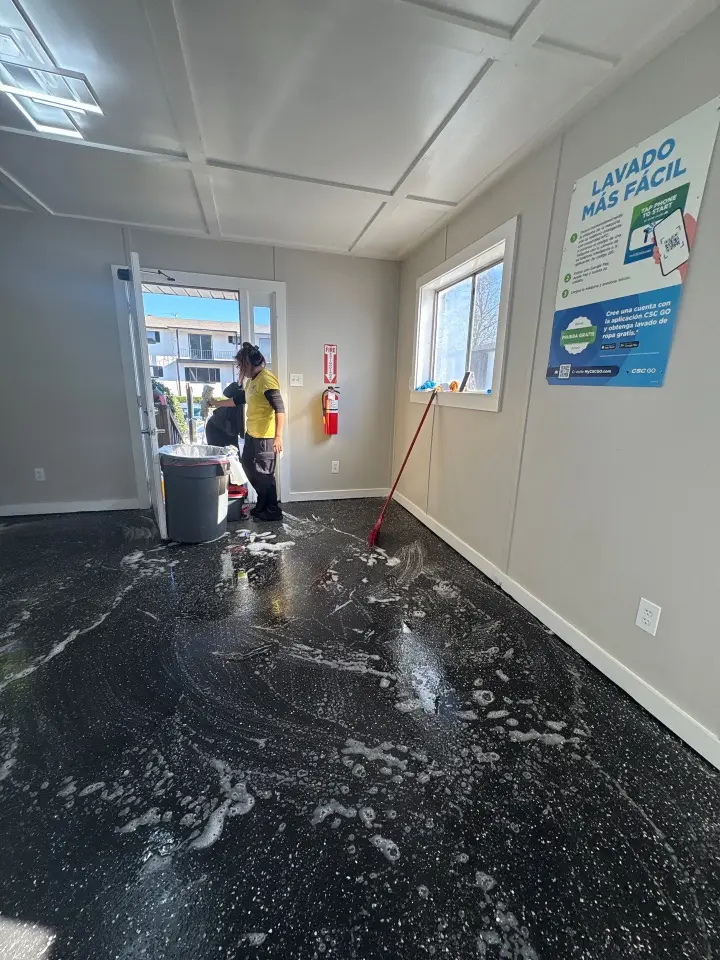
Check entry glass, mats, flooring, door hardware, reception furniture, corners, litter and fingerprints. During rain or heavy soil conditions, mats and hard floors may need additional checks to control tracked-in moisture and dirt.
Hallways & Corridors
Inspect traffic lanes, carpet edges, baseboards, corners, door surfaces, light switches and visible wall marks. Look for repeat soil patterns that indicate the schedule or equipment needs to change.
Elevators & Stairwells
Check buttons, rails, mirrors, floor edges, landings and door tracks where included. Stairwells often receive less attention because they are quieter, so they should remain a named inspection zone.
Restrooms
Inspect toilets, urinals, sinks, counters, mirrors, fixtures, floors, dispensers, waste and odor. Refill responsibility for paper, soap and other consumables should be written into the contract rather than assumed.
Leasing / Management Office
Separate tenant-facing areas from employee desks and personal workspaces. Define what cleaners may move, what stays untouched, and which meeting or reception areas receive recurring service.
Amenities
Clubhouses, gyms, lounges, conference rooms and shared kitchens should have room-specific tasks. Their frequency should rise after events or heavy use rather than being treated exactly like a corridor.
Trash & Service Areas
Define what janitorial staff remove versus what requires maintenance, junk hauling or another vendor. Repeated spills, leaking bags or odor may indicate a process issue rather than a simple need for more mopping.
Exterior Entry Zone
Check the immediate approach to the building for litter, tracked soil and entry presentation. Broader sidewalks, facades, parking areas and pressure washing should remain separate if they are not part of the janitorial scope.
For an ongoing local service program, Mid City offers recurring janitorial service in Huntsville. That service page owns the transactional intent; this article remains the manager’s educational checklist.
How Should Vacant-Unit Turnovers Fit Into a Property Management Checklist?
Turnover cleaning should usually be tracked separately from recurring common-area janitorial work. A vacant apartment or rental suite requires a different workflow: maintenance may need to finish first, keys or access must be confirmed, interior cabinets and appliances may be included, and the unit usually needs a final presentation check before leasing or occupancy.
For multifamily managers, the turnover checklist can include:
- Confirm unit number, access method and target handoff date.
- Verify maintenance, painting and repair work is substantially complete before final cleaning.
- Clean kitchens, bathrooms, empty cabinets, shelves and closets when included.
- Detail baseboards, door frames, ledges, fixtures and other vacancy dust lines.
- Vacuum carpet edges and open areas; clean compatible hard floors last.
- Inspect entry, kitchen, bathroom and main living areas from a prospective tenant’s viewpoint.
- Record any damage, maintenance issue or leftover item that cleaning should not resolve.
That intent already belongs to Mid City’s apartment turnover cleaning service, so this article uses turnovers only as one part of the property manager’s broader checklist.

How Should You Adjust the Checklist for Your Property?
A good checklist should change when the building changes. Property managers can start with a base scope, then adjust frequencies by evidence rather than preference.
Occupancy
A fully leased building with constant visitor traffic usually soils faster than a partially occupied property. Review common-area frequency when tenant count changes materially.
Weather
Rain, mud, pollen and seasonal debris can increase entry and floor work quickly. An annual schedule should allow temporary increases rather than forcing the same routine year-round.
Pets & Amenity Use
Pet-friendly multifamily properties, gyms, clubhouses and event rooms may need additional floor, odor and touchpoint attention compared with low-use office corridors.
Floor Type
Carpet, LVT, VCT, tile, polished concrete and coated floors need different maintenance. Do not copy one chemical or machine process across every surface.
For hard-floor service decisions, use Mid City’s separate guide and service path for commercial floor cleaning. Restorative floor work should not be silently assumed to be included in routine nightly janitorial service.
Use complaints as data, not just emergencies. If the same elevator, restroom or lobby problem appears repeatedly, the manager should review the task, frequency, equipment or responsibility rather than simply asking the crew to “clean better.”
How Should Property Managers Inspect Cleaning Vendor Performance?
A checklist only works if the manager can use it to verify performance. The cleanest approach is to separate the scope from the inspection: the scope states what the vendor is responsible for; the inspection verifies whether the agreed standard is being met.
- Inspect by zone. Walk the same areas in a consistent order: entrance, lobby, restrooms, hallways, elevators, stairs, amenities and service areas.
- Use observable standards. “Floor free of visible litter and soil” is easier to audit than “floor cleaned properly.”
- Track recurring misses. One missed fingerprint is different from the same restroom or stairwell being neglected for three weeks.
- Separate cleaning from maintenance. Burned-out lights, leaks, damaged dispensers, broken tiles and pest activity may be discovered by cleaners but are not automatically cleaning responsibilities.
- Document add-ons. Carpet extraction, floor refinishing, high glass, pressure washing, junk removal and post-construction cleanup should be identified separately when they are not part of recurring service.
- Review frequency periodically. Increase or reduce service based on actual occupancy, traffic and condition instead of leaving the original schedule unchanged forever.
If you are comparing vendors, use a written commercial cleaning scope of work to define tasks, frequencies, covered areas and exclusions before comparing monthly prices. Two bids are not equivalent if one includes periodic floor work or consumables and the other does not.
A property manager should also know what the checklist cannot solve. Persistent odors may come from plumbing, HVAC or waste handling. Floor damage may require repair or restoration. Repeated entry soil may require better matting. Cleaning can reveal these conditions, but more janitorial labor is not always the correct fix.
Frequently Asked Questions About Property Management Cleaning Checklists
What should be on a property management cleaning checklist?
At minimum, include entrances, lobbies, hallways, elevators, stairwells, restrooms, management or leasing offices, amenity rooms, trash areas, glass, floors, high-touch surfaces, turnovers where applicable, and a quality-control or reporting step. Each task should have an assigned frequency and responsible party.
How often should common areas be cleaned?
There is no universal frequency. High-traffic entrances, restrooms and lobbies may need daily or even multiple checks per day, while lower-traffic corridors or detail work may be scheduled several times per week, weekly or periodically. Occupancy, visible soil, weather and tenant use should control the final schedule.
Should every common-area surface be disinfected every day?
No. CDC guidance for ordinary community facilities says regular cleaning is often enough in most situations, with high-touch surfaces cleaned regularly. Disinfection is more appropriate in certain circumstances, such as when someone has been ill or when facility-specific requirements call for it.
Should apartment turnovers be part of the same janitorial checklist?
They can be tracked under the same property account, but the turnover scope should usually be separate. Vacant-unit cleaning includes different tasks, access requirements, timing and quality-control steps from recurring lobby, hallway or restroom service.
How do I know whether the cleaning frequency is too low?
Look for visible soil returning before the next visit, recurring tenant complaints, overflowing waste, odor, repeated fingerprints on high-touch surfaces, dirty entry mats or floors, and the same inspection failures appearing week after week.
What cleaning tasks are commonly missed in managed properties?
Stairwell rails and landings, elevator tracks and corners, baseboard edges, low-use corridors, door frames, interior glass, amenity-room touchpoints, service-area floors and the boundary between janitorial work and maintenance are common problem areas because responsibility or frequency is often unclear.
Property Management Cleaning Checklist: The Practical Bottom Line
The best property management cleaning checklist is not the longest one. It is the one that clearly identifies the areas that matter, assigns realistic frequencies, separates recurring work from specialty projects, and gives the manager a consistent way to inspect results.
Start with tenant-facing and high-traffic zones, then build outward to lower-use areas and periodic maintenance. Adjust the schedule when occupancy, weather, events, lease activity or surface condition changes. Most importantly, document what belongs to cleaning, what belongs to maintenance and what requires a separate specialty service. That clarity prevents both missed work and inflated expectations.