Industry-specific
Apartment Common Area Cleaning Checklist for Property Managers
Apartment common area cleaning should cover the spaces residents and visitors share: entrances, lobbies, hallways, stairs, elevators, mail/package areas, laundry rooms, amenity spaces, shared restrooms and accessible exterior transition areas. The scope should define what is cleaned daily, what is inspected and cleaned as needed, and what receives periodic deep service. This is different from apartment turnover cleaning inside vacant units. For property managers, the most useful checklist ties frequency to traffic and complaints, includes immediate spill response, separates routine floor care from restoration, and assigns responsibility for resident belongings, package areas, maintenance rooms and amenity equipment.
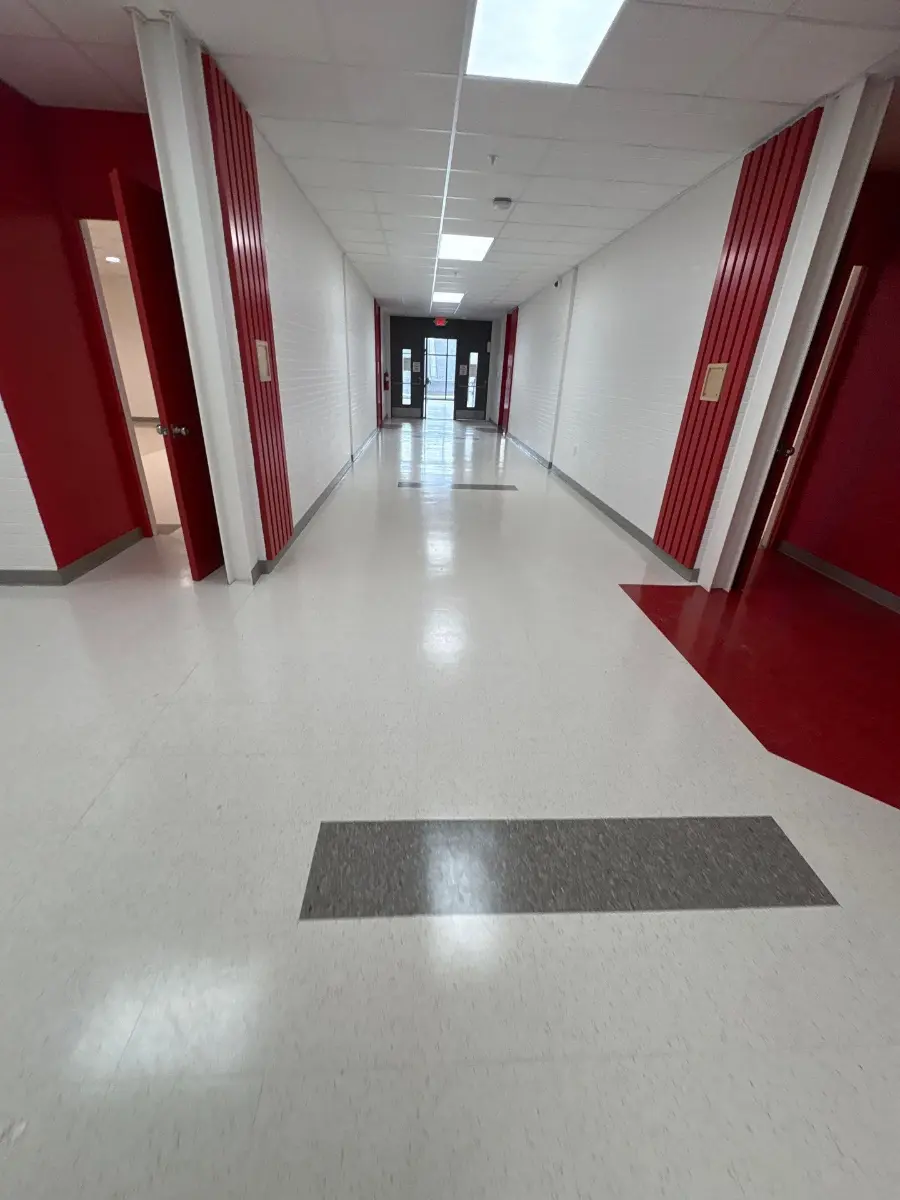
What Should Apartment Common Area Cleaning Include?
A multifamily common-area scope should begin at the resident entrance and follow the path people actually use: lobby, mail or package area, elevator or stairs, hallways, laundry, fitness or community rooms, and any shared restroom. Each zone should have a frequency and an exception rule for spills, pet accidents or unusual traffic.
This URL intentionally does not target apartment turnover cleaning. Mid City already has an apartment turnover cleaning service page for vacant units. It also does not replace the broader property management cleaning checklist, which owns the general daily/weekly/periodic property-management framework.
Common Area Cleaning vs. Apartment Turnover Cleaning
| Common area cleaning | Turnover cleaning |
|---|---|
| Recurring shared-space service | One vacant unit between occupants |
| Lobbies, corridors, stairs, elevators, amenities | Kitchen, bathrooms, bedrooms and unit interior |
| Frequency driven by resident traffic | Schedule driven by move-in date |
| Often performed while building is occupied | Usually performed while unit is vacant |
| Needs resident-path and wet-floor controls | Needs turnover quality and readiness checks |
Keeping the two scopes separate improves estimating and SEO. A company can provide both without pretending they are the same service.
Daily and Routine Common Area Checklist
Entrances and lobby
- Clean entry glass and approved touch surfaces.
- Vacuum or clean mats and remove tracked-in grit or moisture.
- Vacuum, sweep or mop lobby flooring as appropriate.
- Remove ordinary waste and inspect seating or tables for visible soil.
- Report burned-out lighting, leaks, damaged mats or other maintenance defects.
Hallways and stairs
- Remove loose debris and pet hair.
- Vacuum carpet or damp-clean hard surfaces on the scheduled cycle.
- Clean handrails and other approved touchpoints based on traffic.
- Report obstructions, spills, damaged flooring or unsafe conditions.
Elevators
Clean the floor, interior smudges and approved touch surfaces without flooding control panels or door tracks. Electronics and elevator finishes should follow manufacturer or property guidance. Do not use strong chemistry simply to create shine.
Laundry Rooms, Mail Areas and Amenity Spaces
Shared laundry rooms collect lint, detergent residue, dust and spills. The property should define whether cleaners wipe machine exteriors, clean folding tables, empty ordinary waste and mop floors. Internal appliance maintenance remains an equipment task.
Mail and package areas require extra boundaries. Clean accessible floors and surfaces without moving packages or opening lockers. If deliveries block the cleaning path, report the obstruction to property staff rather than relocating resident property.
Fitness rooms and community spaces should have their own task list based on use. Clean floors, ordinary waste and approved surfaces; property management should specify who handles equipment touchpoints and which products are safe for upholstery, screens and fitness equipment.
A recurring janitorial service can cover these shared zones, but the building’s scope should name them instead of relying on “common areas” as a vague catch-all.
Pets, Spills and Resident Traffic Change the Schedule
Apartment buildings are occupied environments, so a checklist has to handle unscheduled events. Pet hair can accumulate at corridor edges, residents can track in rain, and move-ins can create bursts of cardboard and debris. The right response is an “as needed” trigger in addition to the fixed schedule.
For spills, secure the area, remove the soil, clean with a surface-compatible method and dry before reopening the path. If the spill involves blood, a large chemical release, sewage or another condition outside the janitorial scope, escalate it rather than treating every spill the same.
Floor Care: Separate Daily Maintenance From Restoration
Routine vacuuming and mopping are not the same as carpet extraction, stripping/finishing or other restorative work. Put periodic services on a separate schedule so managers can see when appearance issues require more than another daily pass.
For hard surfaces, Mid City’s commercial floor cleaning page owns specialized floor-service intent. Carpeted corridors can be linked to commercial carpet cleaning when embedded soil or spot load exceeds routine vacuuming.
How Often Should Apartment Common Areas Be Cleaned?
There is no universal frequency for every building. A 20-unit property with one entrance is different from a 300-unit building with elevators, pets, fitness rooms and package traffic. Use three variables: number of users, type of surface and consequence if the area is missed.
An illustrative starting framework is:
- Inspect daily or during service days: entrance, lobby, spills, obvious debris and high-traffic paths.
- Clean on recurring schedule: corridors, stairs, elevators, laundry and amenity floors.
- Clean as needed: pet accidents, tracked-in water, move-in debris and visible soil.
- Periodic: carpet extraction, detailed edges, glass, high dusting and floor restoration.
These are planning examples, not legal minimums. Adjust them after reviewing complaints, inspection scores and actual soil patterns.
What Should the Property Manager Inspect?
A useful inspection is objective. Floors should be free of loose debris and standing liquid; entrances should be presentable; stair landings should be clear; waste should be below overflow; laundry surfaces should be free of obvious detergent residue; and supplies in any shared restrooms should be stocked.
Track recurring exceptions. If the same elevator lobby is dirty every afternoon, move the service time or add a touch-up. If one entrance is consistently worse, review matting and traffic. The checklist should become better over time rather than staying frozen after the contract starts.
Frequently Asked Questions
What is included in apartment common area cleaning?
Typical scope includes entrances, lobby, hallways, stairs, elevator surfaces, mail/package-area floors, laundry rooms, amenity spaces, shared restrooms and ordinary waste where applicable.
Is common area cleaning the same as apartment turnover cleaning?
No. Common area cleaning maintains shared resident spaces on a recurring basis. Turnover cleaning prepares an individual vacant unit between occupants.
How often should apartment hallways be cleaned?
Frequency depends on traffic, flooring, pets, weather and building size. Inspect regularly, remove visible debris promptly and set routine vacuuming or mopping based on actual soil load.
Should cleaners move resident packages or personal items?
Not unless the property has a specific authorized procedure. Cleaning scopes should avoid moving resident property and should define how blocked areas are reported.