Compliance & health
Gym Cleaning Checklist to Reduce Bacteria on High-Touch Surfaces
A gym cleaning checklist should prioritize shared equipment, high-touch surfaces, locker rooms, restrooms and floors, but it should not promise to eliminate or “prevent” all bacteria. Clean visible soil first, then disinfect surfaces when appropriate with an EPA-registered product that is compatible with the equipment and used for its full labeled contact time. Handles, touchscreens, benches, mats, lockers, drinking-station touchpoints and restroom fixtures deserve more frequent attention than low-touch walls or ceilings. Member wipe stations can support hygiene, but they do not replace scheduled professional cleaning, documented chemical procedures and periodic deep cleaning of floors, showers and hard-to-reach areas.
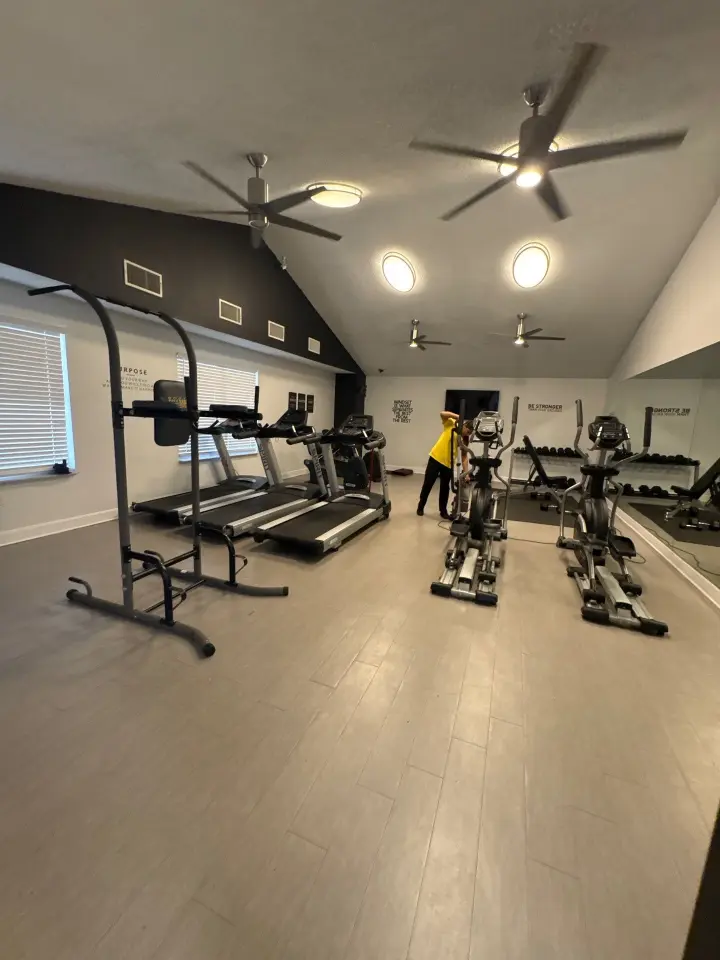
What a Gym Cleaning Checklist Should Actually Accomplish
The goal is not to make a fitness center sterile. A gym is a high-traffic community environment with constant hand contact, sweat, footwear, shared equipment and changing room use. A good program reduces soil and microbial contamination, keeps surfaces safe to touch, controls odors and preserves equipment finishes without overusing chemicals.
CDC guidance for community facilities recommends cleaning high-touch surfaces regularly and cleaning other surfaces when visibly dirty. It also distinguishes cleaning from disinfection: cleaning removes soil and many germs, while disinfection uses chemicals to kill remaining germs on a surface. That distinction is important in a gym because spraying disinfectant onto a visibly dirty bench or machine handle may not deliver the intended result.
Daily Gym Cleaning Checklist
- Cardio equipment: wipe approved handles, rails, buttons, touchscreens and surrounding surfaces using products compatible with the manufacturer’s finish and electronics.
- Strength machines: clean grips, adjustment pins, seats, back pads and frequently touched frames. Inspect torn upholstery because damaged surfaces can be difficult to clean effectively.
- Free-weight areas: clean benches, rack touchpoints and shared accessories; remove chalk, dust and debris from floors without creating airborne dust.
- Group fitness spaces: clean shared mats, bars, blocks, resistance equipment and floor contact areas after scheduled use based on the facility plan.
- Locker rooms: clean benches, lockers, handles, shower surrounds, floors and drains; correct standing water instead of relying on fragrance to mask it.
- Restrooms: clean and disinfect toilets, urinals, sinks and high-touch fixtures as appropriate; restock soap and paper goods.
- Entry and reception: clean door handles, check-in surfaces, counters and other frequent touchpoints.
- Floors: vacuum, dust-mop or damp-mop according to flooring type; use separate tools for restroom and workout zones.
For a separate discussion of the terminology behind these tasks, use the site’s guide to the difference between cleaning, sanitizing and disinfecting. This page stays focused on the gym-specific checklist.
High-Touch Surfaces Deserve a Different Schedule
A low-touch wall does not need the same frequency as a treadmill rail. Build the schedule around contact rate, not just room name. Examples include machine handles, dumbbell rack touchpoints, cable attachments, locker pulls, faucet handles, drinking-station buttons and front-desk devices.
There is no credible one-size-fits-all rule saying every gym surface must be disinfected every 15, 30 or 60 minutes. An illustrative high-traffic facility may choose two to four documented touchpoint rounds during operating hours plus a full closing clean, while a smaller appointment-based studio may use a different schedule. Those figures are planning examples, not regulatory minimums.
Cleaning vs. Disinfecting Gym Equipment
| Situation | Primary action | Why |
|---|---|---|
| Visible sweat, dust or body oils | Clean first with a compatible cleaner | Soil can interfere with a disinfectant and leave films |
| Shared high-touch equipment | Clean, then disinfect when the facility plan calls for it | Reduces contamination on surfaces touched by many users |
| Electronics or touchscreens | Follow equipment-maker instructions and avoid excess liquid | Some chemicals and moisture can damage screens or controls |
| Low-touch walls and ceilings | Routine dust/soil removal | They generally present less hand-contact exposure than grips or controls |
When a gym wants a professional disinfection program, the appropriate adjacent service page is commercial sanitizing and disinfection services. That service intent should remain separate from this informational checklist.
Do Not Let Member Wipe Stations Become the Entire Program
Member wipes are useful because they make cleaning convenient immediately after equipment use. They are not a substitute for facility-owned quality control. Some members wipe thoroughly, some miss handles or adjustment controls, and others do not wipe equipment at all. Wipes may also dry before the labeled contact time needed for a disinfectant claim.
The facility should define which surfaces members are expected to wipe and which are handled by staff. Professional rounds should check items patrons commonly miss: underside handles, machine adjustment levers, locker pulls, stretching accessories, water-station buttons, door push plates and restroom touchpoints.
Locker Rooms, Showers and Restrooms Need Moisture Control
Wet areas add a different problem: moisture supports odor, soil buildup and slip hazards. Cleaners should remove hair and debris, clean soap residue, keep floors draining properly and report persistent standing water or damaged grout. Disinfection is not a repair for a failed drain, leaking fixture or chronically wet surface.
Use dedicated restroom and shower tools so they do not migrate into the workout area. The site’s commercial bathroom cleaning service owns the deeper restroom-service intent; this article only explains how those areas fit into the gym checklist.
Disinfectant Contact Time Is Not Optional
EPA explains that the contact time is the period a surface must remain visibly wet for the disinfectant to be effective against the organism listed on the label. If a product requires a five-minute wet time and the surface dries in two minutes, the process does not match the labeled use. Do not invent a shorter dwell time just because the gym needs equipment back in service quickly.
Product choice should also account for material compatibility. Vinyl pads, rubber flooring, powder-coated metal and touchscreens respond differently to chemicals. A strong disinfectant that clouds a screen or cracks upholstery creates a maintenance problem and may make future cleaning harder.
Floor Cleaning Is Part of Hygiene and Safety
Gym floors accumulate grit, rubber dust, hair, skin oils, beverage residue and outdoor soil. The cleaning method should match the floor: rubber athletic flooring may require a different neutral cleaner and machine pad than LVT, tile or sealed concrete. Excess water can migrate under seams or equipment and create slip or odor problems.
For scheduled machine scrubbing, stain removal or floor-specific maintenance, link to commercial floor cleaning in Huntsville rather than expanding this checklist into a second floor-care guide.
How to Build a Daily, Weekly and Periodic Gym Schedule
Daily or each operating day
Prioritize high-touch equipment, reception, locker rooms, restrooms, visible floor soil, trash and spill response. Increase touchpoint rounds when traffic is high.
Weekly
Detail equipment frames, low ledges, vents that can be safely accessed, mirrors, baseboards, under movable accessories and areas behind light equipment. Wash reusable cleaning textiles using the facility’s documented process.
Periodic
Deep clean floors, extract carpet where present, clean high glass, descale wet areas, detail locker interiors when access is approved and service difficult-to-reach dust zones. Periodic frequency should be driven by soil load and condition, not a generic calendar alone.
Gym Cleaning Mistakes That Increase Risk
- Spraying directly into electronics: apply products as the equipment maker permits, often to a cloth rather than directly to controls.
- Using one cloth across dozens of machines: change or process cloths before they become a vehicle for spreading soil.
- Mixing chemicals: never combine products unless the label specifically directs it. Dangerous reactions can result.
- Skipping pre-cleaning: visible sweat and grime should be removed before disinfection when the label or process requires it.
- Ignoring dwell time: a quick wipe is not automatically a valid disinfection step.
- Masking odor: fragrance does not replace cleaning drains, showers, mats and wet surfaces.
Worker Training and Chemical Records
Cleaning crews need access to labels and Safety Data Sheets for hazardous chemicals and training appropriate to their work. OSHA’s Hazard Communication Standard requires employers to communicate chemical hazards, maintain SDS access and train affected employees. This matters in gyms because cleaning may happen while members are present, increasing the importance of controlled application, ventilation and wet-floor management.
If the facility uses concentrates, dilution should be consistent and documented. The site’s cleaning chemical dilution guide addresses that adjacent operational question.
Frequently Asked Questions
How often should gym equipment be disinfected?
There is no universal federal minute-by-minute schedule for every gym. Clean high-touch surfaces regularly and set disinfection frequency based on traffic, illness events, risk, product labels and the facility plan.
Should members wipe equipment before or after use?
Many gyms ask members to wipe equipment after use. That is helpful, but the facility should still schedule staff or janitorial rounds because member compliance is inconsistent.
Can disinfectant damage gym equipment?
Yes. Incompatible chemicals, excess liquid or aggressive products can damage upholstery, coatings, rubber and electronics. Follow both the equipment manufacturer’s care instructions and the disinfectant label.
Is fogging a substitute for wiping gym surfaces?
Usually no. CDC guidance says wide-area spraying or fogging is generally not recommended as the primary surface-disinfection method unless the product label supports that application. Cleaning remains necessary.
Sources and Practical Limitations
This checklist is general facility guidance. It does not replace local health requirements, equipment manufacturer instructions, product labels or an outbreak-specific direction from public-health authorities.