How To
How to Clean Commercial Restrooms Properly: A Practical Procedure
To clean commercial restrooms properly, secure the area, put on the protective equipment required by product labels, remove rubbish and visible soil, then clean fixtures and high-touch surfaces with suitable detergent. If disinfection is warranted, use a product registered for the intended use and keep surfaces wet for its labeled contact time. Use separate color-coded or clearly segregated tools for toilets and sinks, clean from less contaminated surfaces toward more contaminated areas, and finish with floor cleaning, drying and replenishment. Ordinary office procedures should not be substituted for healthcare infection-control protocols. Never mix disinfectants or cleaning chemicals.
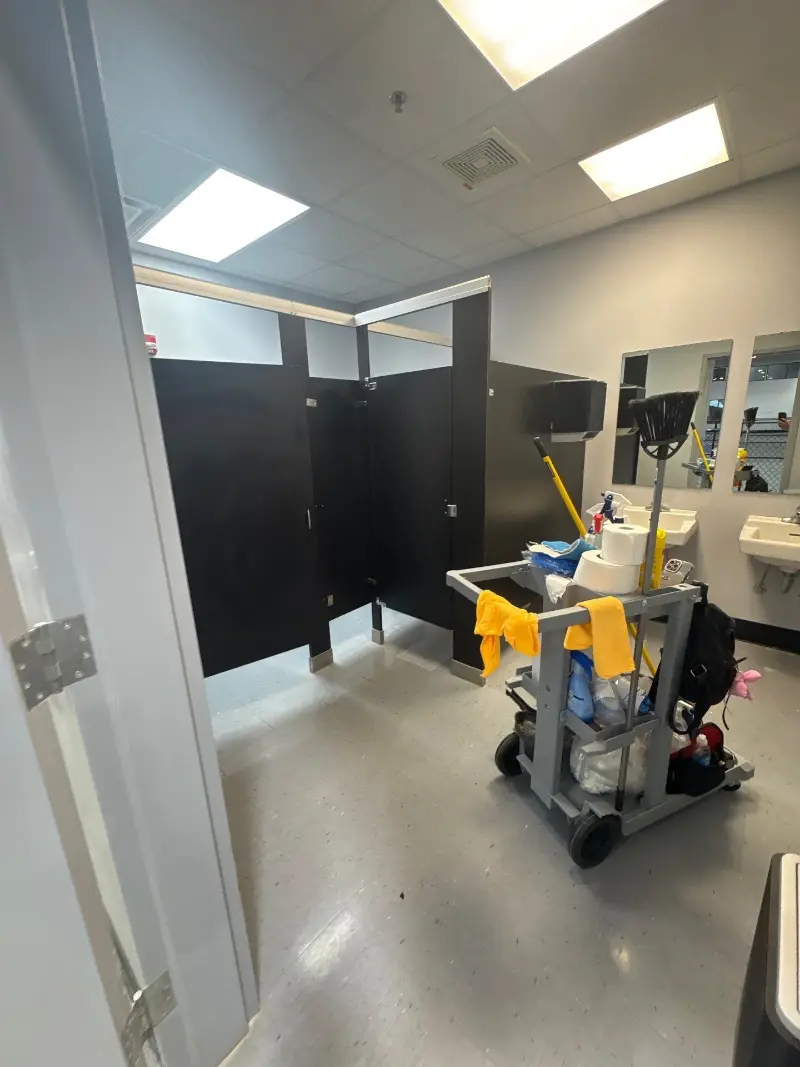
What Proper Commercial Restroom Cleaning Includes
A practical restroom procedure coordinates waste removal, surface cleaning, disinfection where needed, tool segregation, floors and final restocking. Each step has a different purpose, and a strong chemical odor does not establish hygiene.
The process described is for community commercial facilities such as ordinary offices or retail businesses. Healthcare, food processing, active outbreaks and bodily-fluid incidents may require more specific infection-control procedures.
Factors That Change a Restroom Cleaning Plan
Inspect and isolate the restroom
Post appropriate cleaning or wet-floor notices, verify ventilation and check for bodily fluids, overflowing fixtures, sharps or other hazards before starting. Do not treat unknown blood or sharps as routine trash. Use designated procedures and competent personnel for contamination outside the ordinary janitorial scope.
Use separate tools to prevent cross-contamination
Assign color-coded or clearly labeled cloths, brushes and mop materials for toilets versus sinks, dispensers and other touchpoints. Work from relatively clean surfaces toward more contaminated areas. Replace cloths and solution as directed so the process does not carry toilet soil back to door hardware.
Distinguish soil removal and disinfection
First remove dirt, fingerprints, soap film and visible contamination with a compatible cleaner. When disinfection is needed, use an EPA-registered product matched to the surface and target organism, following the label’s dilution, application method and wet contact time. Never mix bleach with acids or ammonia-containing products.
Include the surfaces users actually touch
Door pulls, push plates, flush controls, stall latches, faucets, counters and dispensers deserve consistent attention. Restrooms can appear shiny while the most-handled surfaces are missed. A checklist should separate replenishment, cleaning, touchpoint disinfection and floor inspection so completion can be confirmed.
Handle floors and supplies last
Use restroom-designated mops and compatible products, moving from the far area toward the exit while maintaining safe access. Replace paper, soap and liners, then inspect drains, grout and persistent smells. If an odor remains after adequate cleaning, investigate plumbing, ventilation or moisture instead of relying on fragrance.
For operational planning, related reading includes commercial janitorial service programs and office high-touch cleaning checklist. Those pages address adjacent questions rather than replacing the specific guidance here.
Commercial restroom cleaning workflow
| Sequence | Action | Control point |
|---|---|---|
| Prepare | Inspect, isolate area, use appropriate PPE and supplies | No unsafe product combination or public access conflict |
| Clean | Remove soil, then work from cleaner surfaces toward toilets | Dedicated restroom tools and correct surface chemistry |
| Disinfect when required and finish | Follow registered-product label contact time, clean floors, restock and inspect | Surfaces remain wet for required dwell; safe reopening |
Step-by-Step Restroom Cleaning Procedure
This restroom workflow moves from inspection and low-risk tasks toward toilets and floors while preserving chemical contact times.
- Prepare safely. Check for hazards, signage, gloves, appropriate SDS guidance and ventilation before mixing or using products.
- Remove litter and replenish staging. Empty approved waste, remove visible debris and assemble restroom-only tools.
- Clean cleaner surfaces first. Wipe mirrors, counters, dispensers and touchpoints with their compatible products.
- Clean toilets and urinals. Use toilet-specific tools and products, including exterior, hinges, flush areas and bowls.
- Disinfect when indicated. Apply an EPA-registered disinfectant to appropriate precleaned surfaces and maintain labeled wet time.
- Finish floors and inspect. Clean floor edges and around fixtures, dry or restrict access, restock and record repairs.
Adapting Restroom Cleaning to Different Facilities
Staffing, usage patterns and the cause of odor change restroom-cleaning priorities.
High-volume office restroom
Illustrative scenario: supplies run out midday and handles are touched constantly. Add a daytime inspection and targeted touchpoint service rather than assuming overnight cleaning alone meets user needs.
Restroom with ongoing odor
Illustrative scenario: persistent odor returns quickly. Check drains, seals, grout, hidden leaks and ventilation. Extra air freshener does not remove the root cause.
Small shared office restroom
A lightly used facility may need fewer daytime rounds, but daily cleaning, supply checks and immediate response to visible mess remain important. The schedule should reflect occupancy and company policy.
Commercial Restroom Cleaning Mistakes to Avoid
Restroom problems recur when soil removal is mistaken for disinfection, contact times are ignored, or toilet tools are moved onto handwashing surfaces. Build the task order around those hazards.
- Mixing products in an attempt to strengthen them: Bleach with acid or ammonia can generate dangerous gases. Follow chemical labels strictly.
- Wiping disinfectant dry immediately: Many disinfectants need a specified wet contact period to perform as labeled.
- Reusing toilet cloths at sinks: Cross-contamination defeats the cleaning sequence; separate tools and replace them when soiled.
Questions to Ask When Reviewing Restroom Procedures
Ask for the written order of tasks, segregated cloths and mop systems, product labels, contact-time training and check sheets. A quality check should confirm supply replenishment, visible surfaces, touchpoints, floor dryness and documented exceptions.
Clarify which incidents trigger additional disinfection, who handles bodily-fluid spills and which activities are excluded from routine janitorial scope. Hospitals and other regulated healthcare areas need dedicated infection-prevention requirements beyond this general-business procedure.
Use a Two-Part Inspection: Visible Cleanliness and Hygienic Process
A restroom can appear clean while its high-touch surfaces have been skipped, or it can smell of disinfectant while still containing visible grime. The inspection needs to cover both outcomes. Check dispensers, stall latches, faucet handles, toilet flush controls, accessible grab bars, door hardware and splash zones. Each should have an assigned cleaning method, frequency and responsible team member.
CDC guidance for community facilities distinguishes cleaning from disinfection: routine detergent cleaning removes much contamination, while disinfection is appropriate for certain risks and should follow applicable product instructions. When a disinfectant is used, contact time is not an estimated ‘spray and wipe’; it is the period the registered label requires the surface to stay wet. The product must also be appropriate for the material and target organism.
Restroom floors need dedicated tools and realistic drying time. Mop toward the exit, post temporary wet-floor warnings and verify the floor is safe before reopening. Where odors continue after proper cleaning, look for dry traps, leaks, failed seals, ventilation issues or hidden contamination rather than masking them with more fragrance.
Frequently Asked Questions
Should commercial restrooms be disinfected daily?
Frequency depends on risk, traffic and facility type. Clean routinely; disinfect where needed using product labels and applicable policies.
Do you clean or disinfect first?
Remove soil by cleaning first unless a registered product label explicitly directs a different approved one-step use under the actual soil conditions.
Are these instructions suitable for hospitals?
Not as a substitute for healthcare infection-control protocols. Patient-care environments have additional facility-specific requirements.
When to Revise the Restroom Cleaning Routine
Consistency matters more than a strong chemical smell: clean visible soil, disinfect when indicated, honor label contact time, prevent cross-contamination, and document problem fixtures for repair.
For further planning, review the difference between cleaning and disinfecting or request commercial restroom cleaning services. These related resources support implementation without changing this page’s primary search intent.
Sources and Practical Limitations
Technical guidance cited below should be applied alongside the instructions for the specific installed material, contractor safety plan and any applicable local requirements.