Restaurant Cleaning & Fire-Safety Guide
Restaurant Hood and Grease Cleaning Frequency: How Often Is It Really Required?
Restaurant hood and grease cleaning frequency depends on what you cook and how quickly grease accumulates. NFPA 96 uses an inspection schedule for the entire commercial cooking exhaust system: monthly for solid-fuel cooking, quarterly for high-volume operations such as 24-hour cooking, charbroiling or wok cooking, semiannually for moderate-volume cooking, and annually for low-volume operations. Those are inspection intervals—not automatic cleaning dates. If the inspection finds grease deposits requiring cleaning, the contaminated hood, grease-removal devices, ductwork, fan and related exhaust components must be cleaned by properly trained, qualified and certified personnel acceptable to the authority having jurisdiction.
That distinction matters. A restaurant can need cleaning sooner than its next scheduled inspection if grease builds quickly, while another operation may be inspected at the required interval and not need the same amount of cleaning every time. Local fire-code enforcement, your authority having jurisdiction (AHJ), insurance conditions, equipment instructions and actual grease loading can all make the practical schedule more conservative.
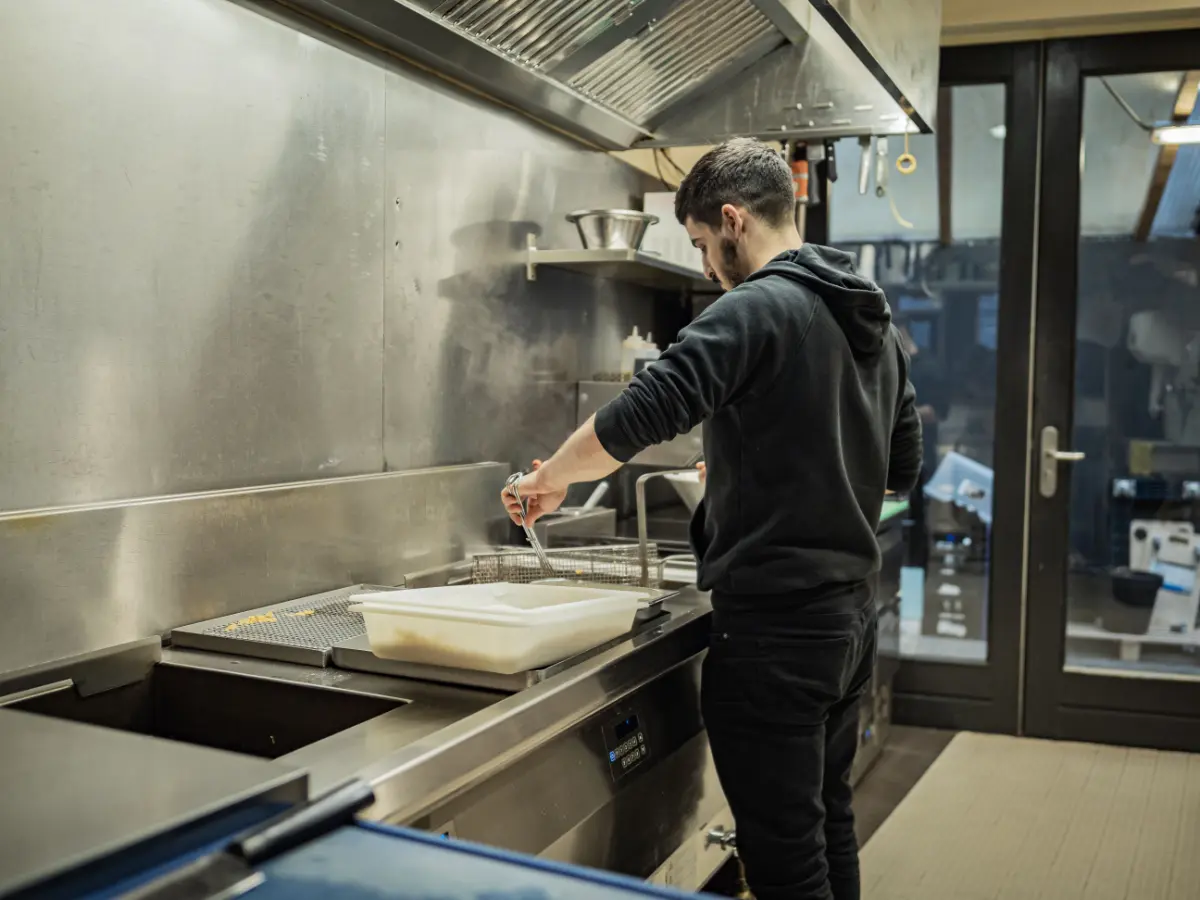
What Is the NFPA 96 Restaurant Hood Inspection Frequency?
NFPA 96 is the fire-protection standard most often cited for commercial cooking exhaust systems. In its current framework, the entire exhaust system is inspected for grease buildup according to the type or volume of cooking.
| Cooking operation | Inspection frequency | Typical examples |
|---|---|---|
| Solid-fuel cooking | Monthly | Wood-fired, charcoal or other solid-fuel cooking systems |
| High-volume cooking | Quarterly | 24-hour cooking, charbroiling and wok cooking are examples identified by NFPA |
| Moderate-volume cooking | Semiannually | Operations that generate meaningful grease but do not fit the high-volume or solid-fuel categories |
| Low-volume cooking | Annually | NFPA examples include churches, day camps, seasonal businesses and senior centers |
The most important word in that table is inspection. NFPA’s own language identifies it as the “Schedule of Inspection for Grease Buildup.” A qualified person inspects the exhaust system at the appropriate interval. If contamination from grease-laden vapors is found at a level requiring cleaning, the contaminated portions are cleaned.
Do not turn the table into a one-size-fits-all sales schedule. Saying every high-volume restaurant “must be cleaned every three months” skips the inspection trigger. In practice, many high-grease kitchens do schedule recurring professional cleaning at or before those intervals because their systems repeatedly accumulate grease—but the standard’s logic is still inspection first, cleaning when contamination requires it.
Is NFPA 96 a Cleaning Schedule or an Inspection Schedule?
It is primarily an inspection-for-grease-buildup schedule. This is where a large amount of online restaurant advice becomes too simplistic.
NFPA 96 requires the exhaust system to be inspected at the monthly, quarterly, semiannual or annual interval that matches the cooking operation. Separate provisions address cleaning when inspection finds deposits from grease-laden vapors. Current NFPA committee material also uses measurable grease-deposit thresholds as part of determining when cleaning is required.
Why does the distinction matter? Because two restaurants can both be “quarterly” inspection operations and still accumulate grease at different rates. A wok-heavy kitchen running long hours may load its duct and fan rapidly. Another high-volume operation with a different menu, equipment mix and operating pattern may accumulate grease differently. The schedule gets you to the inspection; the actual condition tells you whether cleaning is needed.
If you are looking to hire a contractor rather than understand the frequency rule, Mid City’s commercial kitchen hood cleaning service in Huntsville owns that local service intent.
What Makes a Restaurant Hood Need Cleaning More Often?
Cooking volume matters, but it is not the only variable. Grease loading changes with the food, appliance and operating pattern.
Cooking Method
Charbroiling, wok cooking, deep frying and solid-fuel cooking can send more grease-laden vapor, smoke and particulates into the exhaust stream than lighter-duty cooking.
Hours of Operation
A line cooking 16 to 24 hours a day can accumulate deposits much faster than a kitchen that operates only a few meal periods each week.
Menu Mix
High-fat proteins, fried foods and heavy grill use can create a different grease load from baking, reheating or limited cooking.
System Design
Hood capture, duct length, fan configuration, access panels and grease-removal devices affect where deposits collect and how easily the system can be inspected and cleaned.
Filter Condition
Damaged, overloaded or poorly maintained grease filters can allow more grease to migrate into the plenum, duct and fan.
Actual Inspection Findings
The most useful frequency data is your own documented history. If the system repeatedly reaches an unacceptable grease condition before the next visit, shorten the interval.
A useful maintenance program learns from each inspection. The question is not merely “When did we clean last?” but “How much grease accumulated over that operating period, and did our menu or hours change?”
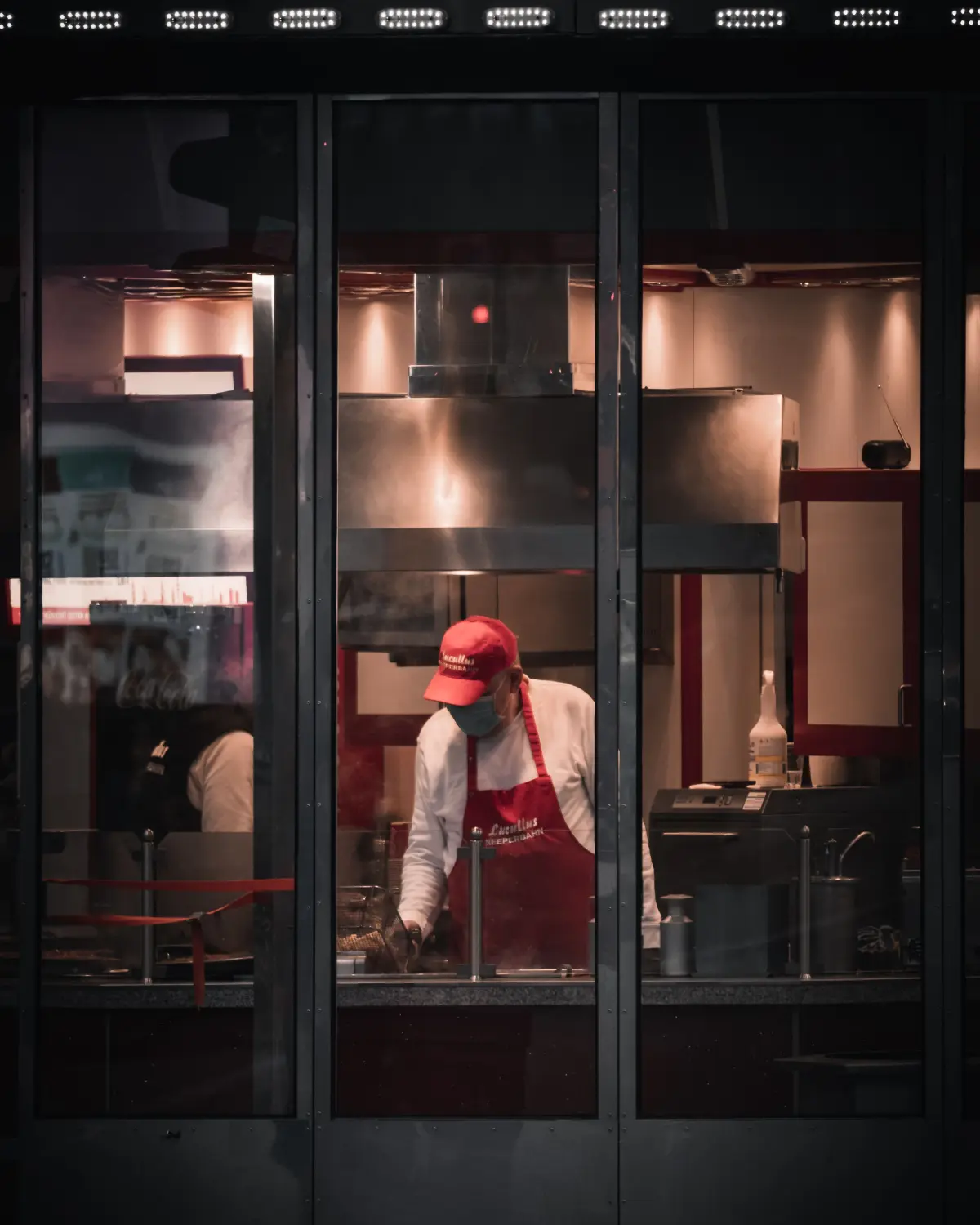
What Parts of the Restaurant Exhaust System Need Grease Cleaning?
A proper exhaust-system assessment is broader than wiping the visible stainless-steel canopy. NFPA 96 addresses the exhaust system as a whole, including areas where combustible contaminants can collect.
Depending on the system and accessible areas, professional exhaust cleaning can involve:
- the interior and exterior of the hood where applicable;
- grease-removal devices such as baffle filters;
- the hood plenum;
- accessible horizontal and vertical ductwork;
- access panels and surrounding grease-collection areas;
- the exhaust fan housing and fan components that accumulate grease;
- grease receptacles and related appurtenances.
This is separate from ordinary nightly kitchen cleaning. Restaurant staff may clean reachable hood exteriors, removable filters and nearby equipment according to facility procedures, but the concealed grease path inside the exhaust system is a specialized fire-safety maintenance issue.
For the broader kitchen-cleaning side—food-contact surfaces, cook lines, floors, sanitizing and health-inspection preparation—use the separate guide on cleaning a restaurant kitchen to health code.
How Often Should Restaurant Grease Filters Be Cleaned?
Grease filters are different from the full exhaust-system inspection schedule. The FDA Food Code requires ventilation hood filters and grease-extracting equipment to be designed for cleaning or replacement, and non-food-contact equipment surfaces must be cleaned often enough to prevent soil accumulation. It does not give every restaurant one universal “clean the baffle filters every X days” rule.
In practical terms, removable baffle filters often need attention much more frequently than the duct system because they are the first grease-removal stage above the cooking line. A heavy-frying or charbroiling operation may need filter cleaning multiple times per week or even daily, while a lighter-use kitchen may be able to use a longer interval. Follow the filter manufacturer’s instructions, your facility’s fire-safety procedures and actual grease accumulation.
Avoid a common shortcut: If a filter is visibly coated, dripping, clogged or restricting airflow, do not wait for the next quarterly or semiannual exhaust inspection. The filter’s condition is telling you it needs attention now.
Filters should also be inspected for damage. A bent or missing baffle filter can change grease capture and allow deposits to move deeper into the exhaust system.
How Do You Choose the Right Hood and Grease Cleaning Schedule?
Start with the applicable NFPA 96 inspection category, then adjust operationally using actual grease history and the requirements of your AHJ, insurer and equipment documentation.
- Classify the cooking operation. Is it solid fuel, high volume, moderate volume or low volume?
- Set the inspection interval. Use the corresponding monthly, quarterly, semiannual or annual starting point.
- Document grease condition. Record what is found in the hood, filters, plenum, accessible ducts and fan rather than relying on appearance from below.
- Clean when inspection indicates it. Do not postpone required grease removal merely because the next calendar date has not arrived.
- Shorten the interval when history justifies it. If the same kitchen is heavily contaminated at every visit, move inspections and service earlier.
- Reassess after operational changes. New fryers, charbroilers, longer opening hours, a menu change or a switch to solid fuel can materially change grease production.
A recurring contract should therefore be adjustable. A schedule selected when a restaurant opens may stop making sense after a menu expansion or a move to longer trading hours.
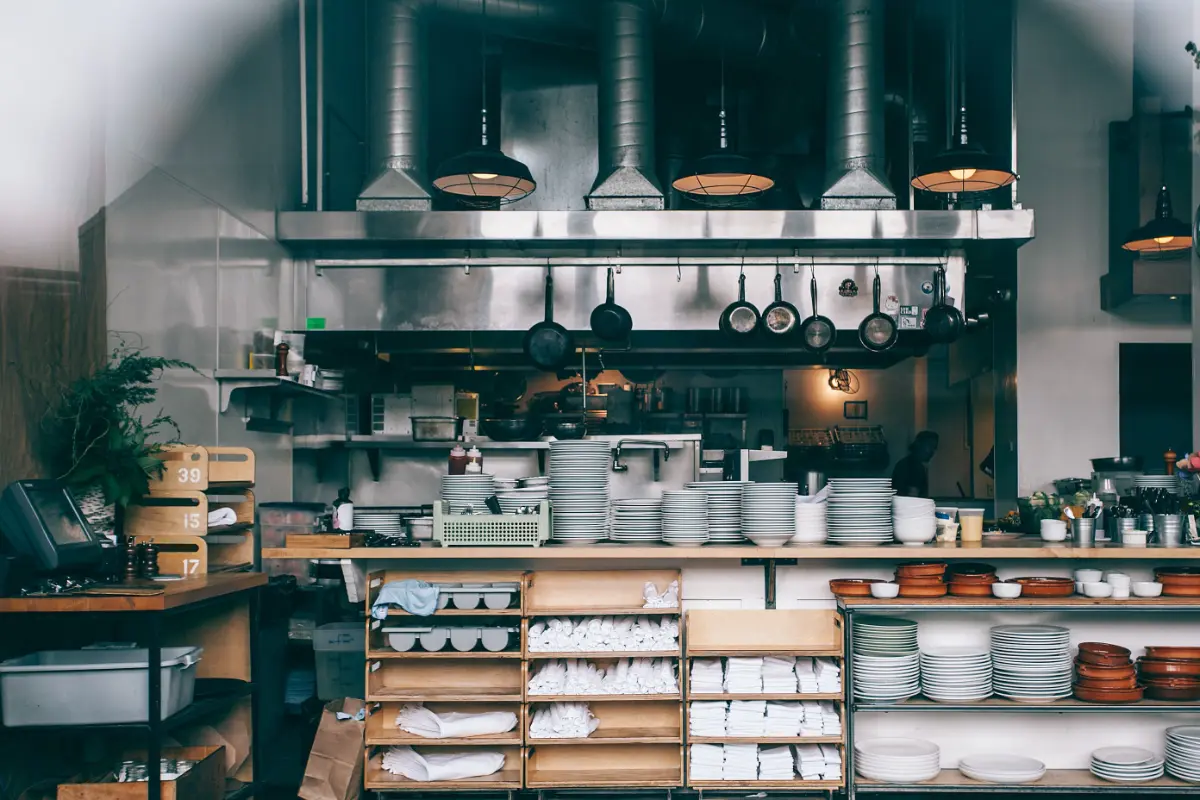
What Signs Mean You Should Inspect or Clean the Hood Sooner?
The calendar is a minimum planning tool, not permission to ignore visible warning signs. Arrange an earlier inspection when you notice:
- grease dripping from the hood, filter bank or grease cups;
- thick, tacky or oily deposits on accessible hood or plenum surfaces;
- filters loading with grease unusually quickly;
- smoke or cooking vapors escaping from the hood capture area;
- reduced exhaust performance or a noticeable change in airflow;
- grease collecting around fan housings or rooftop discharge areas;
- a major menu change toward frying, charbroiling or higher-fat cooking;
- longer operating hours or a shift to near-continuous cooking;
- a fire, flare-up or other event affecting the exhaust system;
- a fire inspector, insurer or qualified service provider identifying an unacceptable grease condition.
Some of these signs can also indicate mechanical or airflow issues rather than a cleaning problem alone. Cleaning should not be used to disguise damaged equipment, missing access, fan problems or other defects that need a qualified mechanical or fire-protection contractor.
What Hood-Cleaning Records Should a Restaurant Keep?
Documentation helps restaurant managers show what was inspected, what was cleaned and when the next review is due. It also makes the frequency decision easier because you can compare grease accumulation across visits.
A useful service record can include:
- service and inspection date;
- restaurant location and exhaust-system identifier;
- cooking type and relevant operating notes;
- components inspected;
- areas cleaned;
- inaccessible areas or deficiencies;
- before-and-after photographs where appropriate;
- technician or company identification;
- service tag or sticker information;
- recommended next inspection date.
Keep those records with your fire-safety and facility-maintenance documentation. Your local fire official or insurer may have its own expectations for tags, certificates or retention.
Huntsville currently lists the 2021 International Fire Code as the fire code adopted by Huntsville Fire & Rescue. Local requirements can change, so restaurants should confirm enforcement questions with the authority having jurisdiction instead of assuming a national summary replaces the local code.
Frequently Asked Questions About Restaurant Hood and Grease Cleaning Frequency
How often should a restaurant hood be cleaned?
There is not one universal cleaning interval for every restaurant. NFPA 96 sets grease-buildup inspection intervals of monthly for solid-fuel cooking, quarterly for high-volume cooking, semiannually for moderate-volume cooking and annually for low-volume cooking. Cleaning is required when inspection finds grease contamination that triggers cleaning, and an AHJ, insurer or actual grease buildup may require earlier service.
Does NFPA 96 require quarterly hood cleaning?
NFPA 96 identifies quarterly inspection for high-volume cooking operations such as 24-hour cooking, charbroiling and wok cooking. It should not be described as a blanket rule that every such system must automatically be cleaned every three months regardless of condition. Cleaning follows the inspection findings and applicable grease-deposit criteria.
How often should baffle filters be cleaned?
There is no single federal interval that fits every restaurant. Baffle filters should be cleaned often enough to prevent grease buildup and maintain proper function, following manufacturer instructions, facility procedures and actual use. Heavy-frying or charbroiling kitchens may need filter cleaning far more often than the full exhaust system.
What restaurants need monthly hood inspections?
NFPA 96 places systems serving solid-fuel cooking operations in the monthly inspection category. Local fire officials can impose or interpret requirements for the specific installation, so restaurants should confirm their classification with the authority having jurisdiction.
What counts as high-volume cooking?
NFPA identifies examples including 24-hour cooking, charbroiling and wok cooking. If a restaurant’s operation does not fit neatly into a category, the safest approach is to ask the qualified exhaust-system professional and local AHJ rather than self-classifying solely from an online chart.
Can hood cleaning wait if the scheduled date has not arrived?
No if inspection or visible conditions show grease contamination requiring cleaning. The purpose of the schedule is to catch grease buildup before it becomes a greater fire hazard, not to create a grace period for a visibly contaminated system.