cost and pricing
Medical Facility Cleaning Cost in Huntsville, Alabama: What Affects Pricing?
Medical facility cleaning in Huntsville, Alabama usually costs more than ordinary office cleaning because the scope can require more detailed disinfection, more frequent restroom and touchpoint service, tighter cross-contamination controls, healthcare-specific training, and more documentation. There is no reliable flat “Huntsville medical cleaning rate.” As a planning reference, Mid City’s broader 2026 pricing guide lists medical and dental environments above standard office cleaning on a per-square-foot basis, but any local figure should be treated as illustrative until the facility is walked and the clinical scope is understood. Exam rooms, waiting areas, laboratories, procedure spaces, administrative offices, and patient restrooms should not all be priced or cleaned as if they carry the same risk.
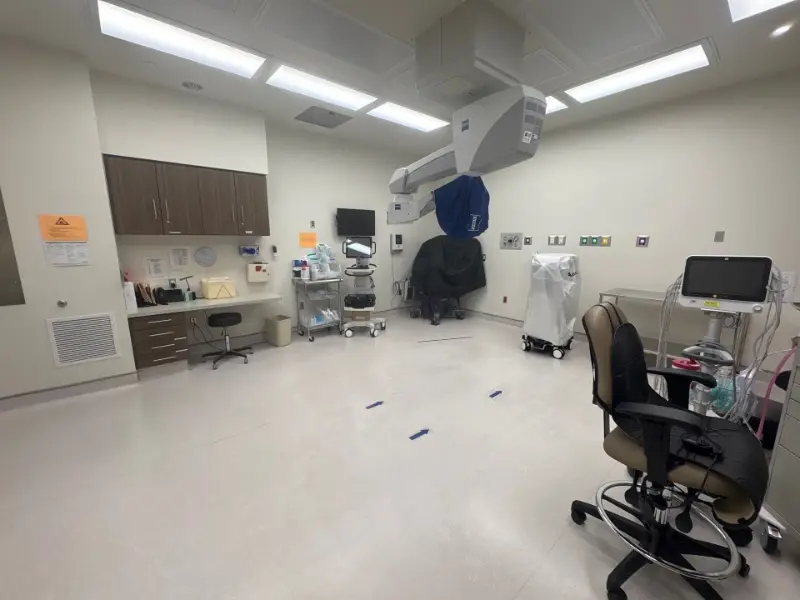
Why medical cleaning often costs more than office cleaning
The difference is not simply that a medical building “needs stronger chemicals.” Healthcare cleaning is more controlled. The cleaner may need color-coded tools, room-specific sequences, fresh microfiber by zone, documented disinfectant contact times, PPE procedures, bloodborne pathogen training, and strict separation between cleaner and dirtier areas. Those steps add labor and training even when the building looks similar to a standard office.
Medical facilities also generate more high-touch work. Reception counters, door hardware, chairs, exam tables, light switches, restroom fixtures, and other touchpoints may require defined cleaning or disinfection frequencies. The proposal should describe which surfaces are cleaned, which are disinfected, and who is responsible for clinical equipment.
The main pricing drivers in Huntsville healthcare facilities
The largest factors are cleanable square footage, number and type of treatment rooms, patient volume, operating hours, cleaning frequency, restroom count, flooring, touchpoint density, infection-control requirements, and access restrictions. A small clinic with many exam rooms can require more detailed labor per square foot than a larger administrative healthcare office.
Frequency matters heavily. A practice cleaned five nights per week will generally cost more per month than a similar practice cleaned twice per week, although recurring service may lower the effective cost per visit. Daytime porter support, mid-day restroom checks, or terminal-style room turnover are separate workload questions and should be priced from the actual schedule.
How to use published pricing benchmarks without misleading yourself
Mid City’s published commercial-cost guide uses an illustrative medical and dental range of about $0.16–$0.28 per square foot per visit, compared with lower standard-office ranges. That is a planning benchmark, not a promise that a Huntsville clinic will fall inside it. A provider may price by labor hours, room count, visits per week, or a flat monthly total instead.
If you use a square-foot estimate, make sure the number reflects cleanable area and the same frequency you are comparing. Do not multiply a national or published rate by gross building area and assume the result is a quote. Clinical complexity can move the real labor requirement in either direction.
Compliance and documentation affect the scope
Cleaning teams should follow OSHA hazard communication requirements, product labels, facility infection-control policies, and bloodborne pathogen procedures when exposure is reasonably anticipated. HIPAA does not create a universal janitorial cleaning frequency, but cleaners working around protected health information need procedures that prevent unnecessary access to records and screens.
For the operational side, Mid City’s medical office cleaning requirements guide explains outpatient cleaning expectations, while the HIPAA-regulated office cleaning protocol focuses on PHI-safe janitorial practices. Those compliance articles own those generic intents; this page stays focused on Huntsville pricing factors.
What should be included in a medical cleaning quote
The proposal should identify room types, cleaning frequencies, disinfectant responsibilities, contact-time procedures, restroom work, waiting-room cleaning, administrative areas, floors, high-touch points, sharps exclusions, regulated waste exclusions, supply restocking, and incident response. It should also identify what the clinical staff—not the janitorial crew—remains responsible for.
Ask whether periodic carpet extraction, machine floor care, high dusting, interior glass, and deep cleaning are included or billed separately. Transparent separation is better than an artificially low monthly price that depends on constant add-ons.
How Huntsville practices should compare proposals
Compare the monthly total only after confirming that each bidder is pricing the same room list and frequency. Ask who trains the cleaners, who supervises them, what documentation is available, and how substitutions are handled when a regular cleaner is absent. If after-hours access involves alarms, restricted rooms, or key control, include that in the comparison as well.
For the actual transactional service, Mid City’s existing medical facility cleaning in Huntsville page owns the hire-a-provider intent. This cost guide is designed to answer the budgeting question without competing with that service page.
Where not to cut cost
The safest savings usually come from right-sizing frequency in low-use administrative zones, not from reducing cleaning in patient-facing restrooms, high-touch areas, or rooms with higher contamination risk. Likewise, cheaper chemistry is not a savings if it is used incorrectly, requires rework, or does not match the surface and task.
A medical cleaning budget should be built around risk, occupancy, and documented scope. The goal is not the highest cleaning frequency everywhere; it is the correct frequency and method for each zone.
Authoritative references
What to document during a medical-cleaning pricing walkthrough
A healthcare walkthrough should identify more than rooms and floors. Note which spaces are patient-facing, which are administrative, where clinical staff perform their own cleaning, which surfaces require approved disinfectants, and whether the janitorial team will encounter exam tables, sharps containers, medication areas, laboratory materials, or protected health information. The goal is to remove ambiguity before labor is priced. A cleaner should never discover after signing that a “small office” is actually a high-turnover clinic with multiple treatment rooms and strict room-reset expectations.
Ask the bidder to explain the planned cleaning sequence, tool separation, disinfectant use, contact-time process, and how fresh cloths or mop heads are managed between zones. Confirm whether the quote includes supply replenishment, periodic floors, interior glass, waiting-room upholstery, and after-hours call-backs. If the practice has changing patient volume, discuss how the scope will be reviewed when hours or room use increase. These details make the quote more defensible and help the practice understand exactly what operational controls it is paying for.
Frequently asked questions
How much does medical facility cleaning cost in Huntsville, Alabama?
There is no single local rate. Published planning benchmarks can place medical and dental cleaning above standard office cleaning, but an accurate Huntsville quote depends on room types, patient volume, frequency, risk level, floor care, documentation, and access requirements.
Why is medical cleaning more expensive than normal office cleaning?
Medical environments often require more detailed disinfection, touchpoint work, cross-contamination controls, training, PPE procedures, and documentation.
Does HIPAA determine the cleaning price?
No. HIPAA is primarily about protected health information, not a janitorial price schedule. PHI-safe procedures can affect how cleaners work around records and screens, but the cleaning scope is driven by the facility and infection-control needs.
Should a clinic accept a price without a walkthrough?
A small standardized facility may be quotable from detailed information, but a walkthrough is usually the safest way to confirm room types, flooring, access, occupancy, and exclusions before setting a recurring price.
Reviewed for publication using Mid City Commercial Cleaning’s current article design system, local SEO intent mapping, and publishing QA requirements.