Office Cleaning
First-Week Office Cleaning Onboarding Checklist for Madison Businesses
The first week with a new office cleaning company in Madison, Alabama should be a controlled onboarding period, not a test of whether the crew can guess your expectations. Before the first visit, agree on room-by-room tasks, cleaning frequency, badges and alarm procedures, waste disposal points, prohibited areas, and a contact for urgent questions. After the initial clean, inspect several representative spaces, document any gaps, and update instructions before the next visit. By the end of the week, the manager and cleaning supervisor should be able to explain what is in scope, what is excluded, and how corrections are handled.
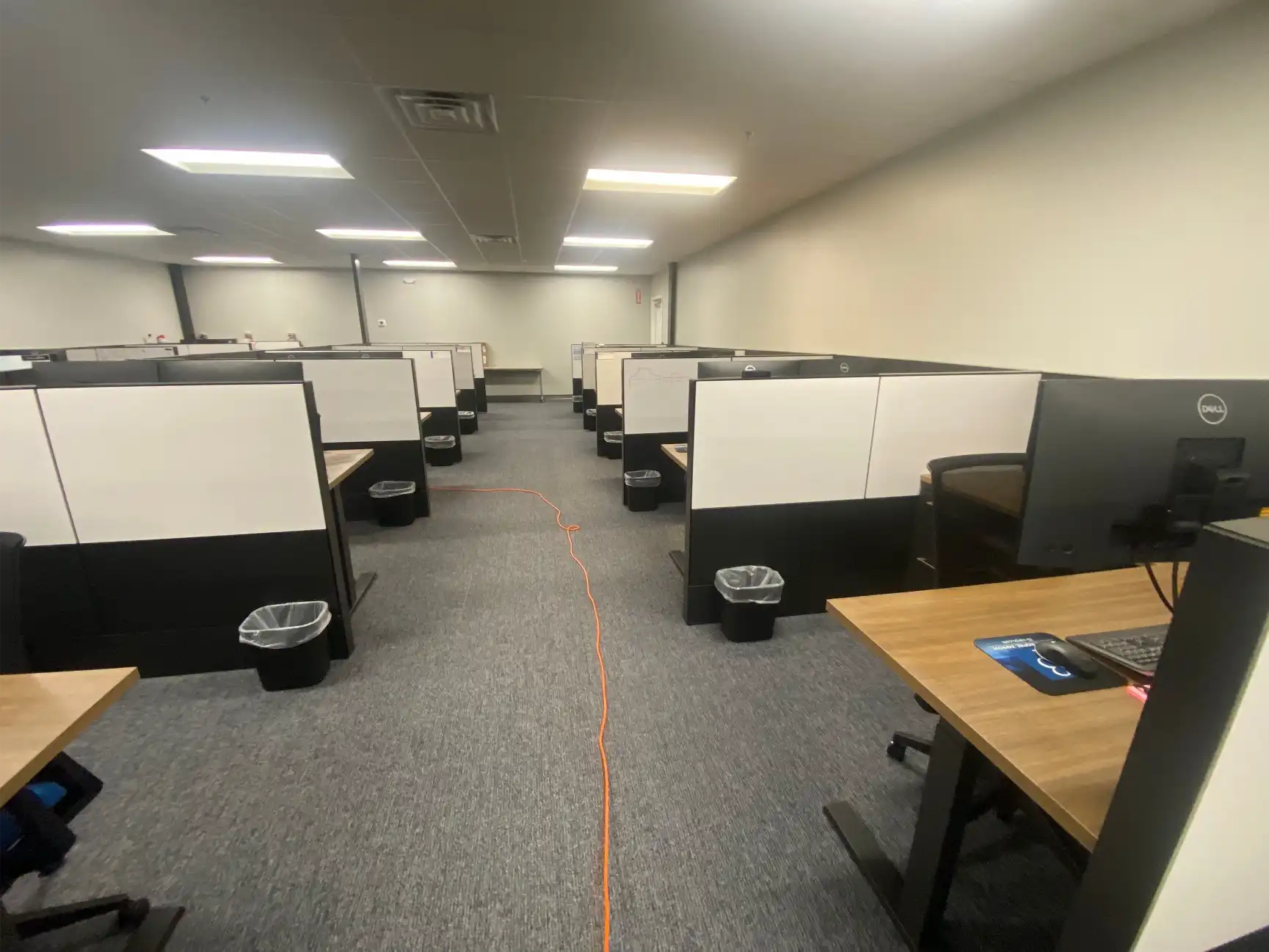
Before the crew arrives: confirm the operating boundaries
A signed quote is not an operational instruction. Translate the quote into a one-page room list that names reception, private offices, conference rooms, kitchen, restrooms, hallways, stairs and storage. For each room, specify normal tasks, frequency, surface restrictions, and who can answer questions. A suite with mostly carpet will need different tools and methods than an office with polished hard flooring. Confirm whether the company supplies liners, paper goods and cleaning products or whether the client stocks them.
One manager should own the document. Staff can suggest improvements, but sending last-minute instructions from ten separate employees creates an inconsistent route. If a high-touch item is company-owned IT equipment, clarify whether cleaners can wipe the exterior or should leave it for a designated employee.
Day zero: test entry, parking, alarms and disposal
Walk the route in the actual service window. A door that opens at 2 p.m. may be locked at 7 p.m. Check the approved entrance, parking arrangement, keys or badges, alarm boundaries, lighting, security contact, and restroom or utility closet access. Identify the dumpster, recycling streams and any materials that the contractor may not handle.
Do not exchange permanent alarm codes through an unsecured group chat. Use the building’s approved access process and revoke credentials promptly when staffing changes. Restricted file cabinets, server rooms and private records should remain outside the route unless separately authorized.
First visit: choose a representative quality sample
Rather than inspecting every square foot immediately, choose a sample that reflects the work: one restroom, reception, one meeting room, an employee break area and an ordinary workstation zone. Check the agreed tasks, not your own assumptions. An untouched keyboard might be correct if desk equipment is excluded; an overflowing restroom bin is not correct if waste removal was included.
Use five practical checks: visible debris, fixtures and touchpoints, supply levels, floors and corners, and access-related omissions. Record the exact room and request a resolution, ideally with one contact who can approve corrective work.
Sample first-week plan
| Day | Manager’s priority | Crew or supervisor action | Evidence to retain |
|---|---|---|---|
| Before day 1 | Approve room list and access | Complete orientation | Finalized scope and approved contacts |
| Day 1 | Walk representative rooms | Confirm route completion | Short issue list |
| Day 2 | Review access or supply gaps | Update instructions | Corrected route notes |
| Day 3 | Inspect high-use areas | Resolve recurring exceptions | Supervisor confirmation |
| Day 5 | Hold brief review | Adjust documented priorities | Signed or emailed revision |
This is an illustrative five-day onboarding cadence, not a required service frequency. If cleaning occurs twice a week, the same checkpoints can run across the first two or three actual service visits instead.
How to avoid turning onboarding into scope creep
During the first week, staff may notice vents, interior glass, baseboards or furniture moving needs that were never part of the approved quote. Capture those requests separately, ask whether they require special tools or equipment, and obtain an agreed change before treating them as recurring obligations. Otherwise the weekly route grows without matching labor time.
Your selection process should already have established capabilities and supervision; see how to choose an office cleaning company in Madison for that preceding decision. Onboarding begins after selection and focuses on execution.
Madison office example: a team of eighteen
Imagine a fictional 18-person Madison consulting office operating Monday through Friday. It has a 20-seat meeting room, two restrooms, a kitchen, twelve workstations and one secured equipment closet. The cleaning agreement covers three evening visits per week. In the first visit, cleaners discover the trash storage door is locked after 6 p.m. and the kitchen dispenser is empty.
A manager updates the badge access and clarifies that office staff purchase paper goods while the contractor checks and refills dispensers. The supervisor makes the correction on the next scheduled visit and documents it. The secured equipment closet stays excluded. This example shows how small fixes can stabilize a service without paying for unneeded extra cleaning.
What to ask the cleaning supervisor at the end of the week
Ask which rooms took longer than expected, whether any routes were blocked, whether cleaning methods suit the flooring, which products were used, where supplies are stored, and what is likely to fail during a busy week. These operational questions are different from vendor vetting and help uncover scheduling mismatches early.
For office hygiene, your team can use the high-touch surface checklist to specify what is cleaned and, where appropriate, disinfected. Follow product directions and never assume all office electronics tolerate the same chemicals.
Should you change contractors if the first clean is imperfect?
Not automatically. New crews often need a clear route, working credentials and a chance to understand a building. Judge the company’s willingness to document and correct problems, not just one imperfect visit. Repeated failures after agreed corrections are a different matter. Distinguish poor performance from tasks that were never in the scope.
If you still need a defined service proposal, the Madison office cleaning service page outlines the local offering. Use the small-office quote worksheet to prepare a room list, rather than letting the new blog duplicate a pricing guide. To share your onboarding checklist with a prospective provider, request a walkthrough.
Frequently asked questions
Should cleaning begin before the whole office is occupied?
It can, if the work area is accessible, the scope is approved and renovation or move-in activity will not immediately undo the cleaning. Coordinate with movers or contractors so the same area does not require an unplanned repeat.
Who should inspect the initial cleaning?
Choose a facilities contact or office manager who understands the written scope. A designated reviewer is more consistent than relying solely on complaints from individual employees.
How many visits does onboarding require?
There is no universal number. Use the first few scheduled visits to verify access, routine task completion and correction procedures. More complex or secure sites may need a longer handover.