Janitorial Operations / 2027 Technology Decisions
Commercial Cleaning Technology in 2027: ROI and Pilot Guide
Commercial cleaning technology in 2027 is worth evaluating when it solves a measurable facility problem. Robot floor scrubbers may help on repeatable routes; occupancy or supply sensors may improve response timing; digital logs may reduce missing records. None guarantees lower labor costs, better hygiene or full automation. Start with a baseline, calculate the total cost of ownership and run a controlled pilot before buying or changing contracts. This guide is about investment and implementation decisions, not picking a particular floor-scrubber model or claiming Mid City currently offers robotics.
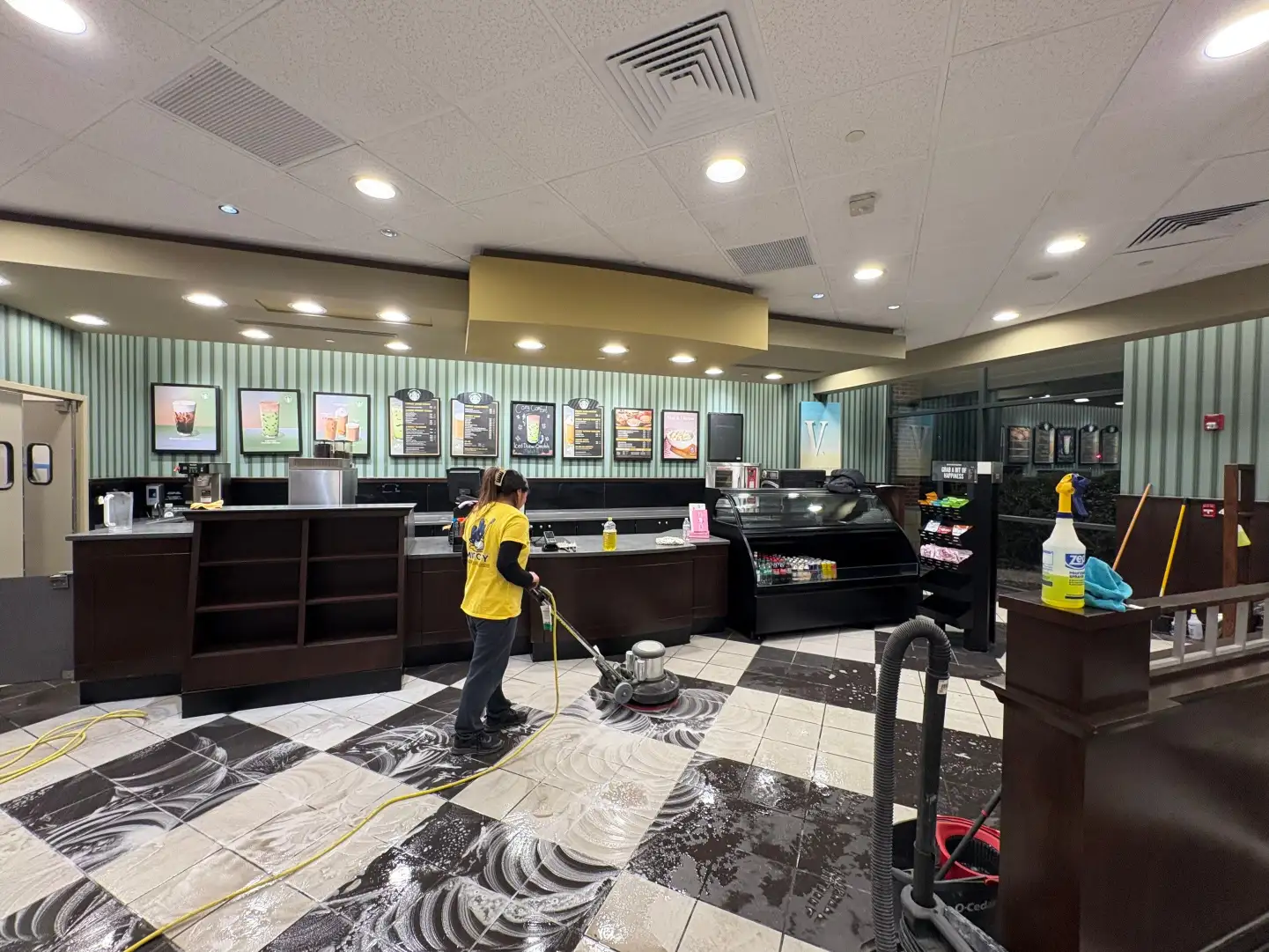
What is actually changing in commercial cleaning technology
Robotics, connected equipment and digital task reporting are no longer purely theoretical ideas. During 2026, industry organizations and suppliers were actively demonstrating autonomous floor-care machines, data-supported equipment management and occupancy-informed service planning. That does not mean every building has adopted these tools or that a particular system will reduce costs. For 2027 planning, the important question is whether a tool improves cleaning outcomes at a specific site.
ISSA’s industry discussion has highlighted a practical problem: technology can sit unused when a facility buys a machine before defining the operational workflow. The lesson for a building manager is simple. Start with the repeated cleaning task and the performance problem, then decide whether automation, better scheduling or improved supervision is the most appropriate solution.
For fundamentals of equipment selection, our small-warehouse floor scrubber buying guide remains the evergreen resource. This 2027 article looks at the decision to invest in connected or autonomous technology.
Where autonomous floor scrubbers may make sense
Autonomous floor scrubbers are most plausible in facilities with substantial, repeatable hard-floor routes, reasonably clear navigation paths, suitable flooring and predictable access windows. A large warehouse corridor, commercial lobby complex or expansive common area might provide enough repeated area to justify a trial. Small offices filled with chairs, narrow rooms, thresholds and frequent floor obstructions may be less suitable.
In industrial spaces, compare the proposed equipment with the facility-specific soil and traffic patterns described in our warehouse floor cleaning best practices guide.
Robot selection should not begin with an advertised maximum square-foot figure. Ask about real usable coverage after accounting for charging, obstacle avoidance, water refills, wastewater disposal, edge work and setup time. Understand whether a staff member must remain nearby, whether the manufacturer supports the floor material and how the system behaves around visitors, pets, cords and furniture.
Even when a machine is useful, staff still handle corners, fixtures, restrooms, touchpoint cleaning, spot work and unexpected conditions. A floor robot is not a replacement for an entire janitorial program.
How occupancy sensors and connected dispensers can help
Smart dispensers and occupancy indicators may help a facilities team decide when to replenish soap, paper supplies or high-use restrooms. Connected equipment can also provide operating data, such as machine status or completed cleaning routes. These systems are most useful when someone has been assigned to review and act on the information. A dashboard that generates alerts nobody reads does not make a building cleaner.
For 2027, define a narrow use case: a large restroom consistently running out of paper products, a busy conference suite with unpredictable room turnover, or a floor-care machine with frequent downtime. Test whether the sensor actually improves the response. Do not collect more data than necessary; review privacy, cybersecurity, retention and vendor access before installing connected devices in occupied workplaces.
Digital logs versus actual cleaning quality
Digital checklists can create a clearer record of when shifts were completed, which issues were reported and what corrective action followed. They may reduce missing paperwork and make follow-up easier for multi-site managers. However, a logged checkbox is not the same thing as a clean floor or a stocked restroom. Use spot inspections and occupant feedback to verify that digital task completion matches the result.
Ask whether software allows room-specific tasks, photographs only when authorized, clear exception notes and an exportable history that can be reviewed at renewal. A simple shared service log may be sufficient for a small building. More elaborate platforms need a purpose that justifies training, administration and subscription expense.
Our cleaning service-level agreement guide explains how service data can support measurable contract expectations.
Compare technology on lifetime cost and operational value
An equipment quote should include more than purchase or rental price. Estimate consumables, pads and brushes, batteries, maintenance, repairs, software subscriptions, connectivity, training, storage, charging and the labor still required for preparation and oversight. Ask who will service the machine locally and what happens when it is unavailable. A machine that cleans an open floor efficiently but fails frequently may not deliver a better outcome than a well-managed conventional program.
| Evaluation question | Evidence to request | Why it matters |
|---|---|---|
| What usable area can it cover? | Measured route performance on your site | Catalog ratings may not reflect real obstacles |
| What work remains manual? | Documented handoff and edge-cleaning procedure | Robots do not clean every surface |
| What is the all-in annual cost? | Service, subscriptions, consumables and labor | Avoid hidden operating expenses |
| Who owns the data? | Privacy and retention terms | Connected tools generate building information |
| What happens during downtime? | Backup equipment and staffing plan | Cleaning service must continue |
| How will success be measured? | Before/after quality, time and issue records | Prove value beyond novelty |
Run a controlled pilot before making a 2027 commitment
A defined pilot is safer than a sitewide purchase based on a trade-show demonstration. Choose a representative floor area, record baseline cleaning time and quality, and identify conditions that could prevent success. Set a fixed trial window appropriate to the workflow and document who will supervise, maintain and troubleshoot the equipment. Include ordinary traffic, obstacles and realistic shift conditions.
Compare the results with the previous process. Did the floor reach the agreed standard? How much staff time was actually freed for other tasks? Were there new delays from charging, preparation or maintenance? Did occupants experience noise, obstructions or other inconvenience? If the pilot fails, it is still useful evidence; it may mean a different machine, a redesigned workflow or no automation is right for that location.
Where traditional cleaning is still the sensible option
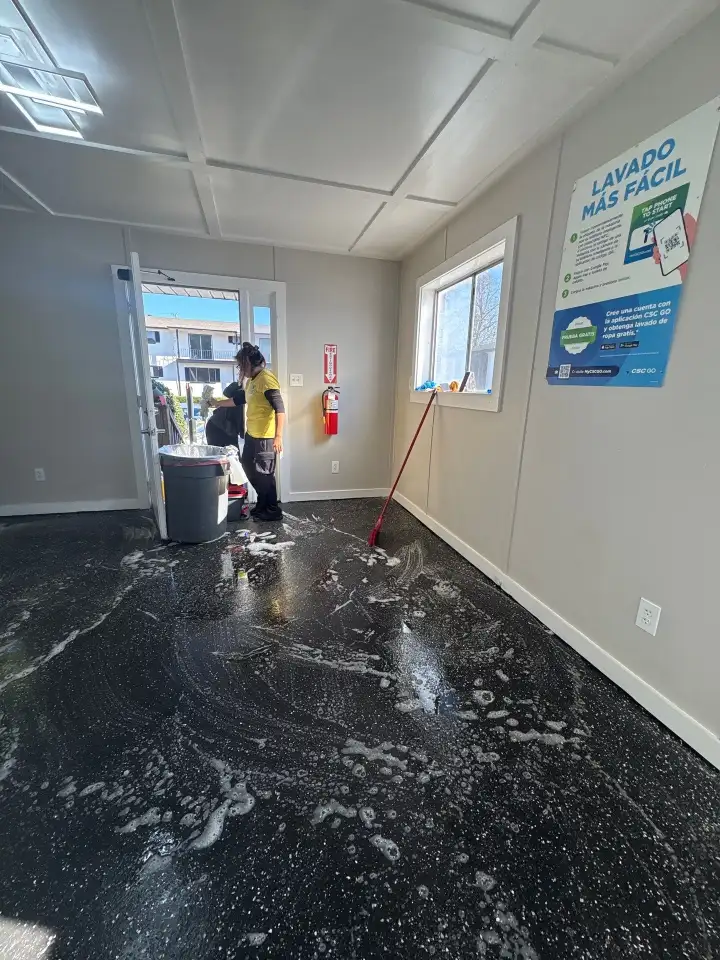
Manual cleaning remains essential for small or irregular rooms, detailed surface work, spot cleaning around furniture, sensitive areas and tasks that require human judgment. A trained crew with appropriate equipment may produce a better result than a robotic system that cannot safely navigate the actual site. In a small office, improving the scope, supply storage or route order may be a better first investment than purchasing new technology.
Technology should also be selected for the facility’s risk profile. Areas with specialized hygiene procedures, hazardous materials, confidential operations or unusual floor coatings deserve additional review. Do not assume an autonomous machine is approved for a healthcare, food-production or industrial process merely because the vendor markets it for commercial use.
Questions to ask a technology-enabled cleaning provider
- Which tasks are automated, and which still require trained cleaners?
- Can the proposed equipment safely handle our specific floor and layout?
- What service logs or reports will we receive, and who reviews them?
- How are room occupancy or sensor data collected and protected?
- What are the maintenance, subscription and downtime arrangements?
- Can we test the solution under normal building conditions before committing?
- How will the provider demonstrate better quality or reduced total cost?
- Will the contract state who owns equipment and associated data?
A provider should be able to explain the workflow in ordinary language and acknowledge limitations. Be cautious about absolute guarantees that a machine will eliminate all cleaning labor or that sensors alone will make a facility safe. The building still needs a clearly defined scope and accountable supervision.
A practical 2027 commercial cleaning technology roadmap
Begin the year with an audit of recurring service problems and labor-intensive areas. During the next planning cycle, identify one or two technology options with a plausible operational benefit and document a baseline. Run a small pilot when possible, evaluate the quality and total cost, and expand only when the measured results support the investment. Keep contract clauses and data governance aligned with whatever tools are eventually adopted.
For Huntsville-area facility managers, the immediate decision may be simpler than choosing an autonomous machine. A reliable cleaning scope, visible inspection records and an escalation contact often matter more than the sophistication of the reporting platform. Technology is useful when it helps deliver that dependable result, not when it becomes the result itself.
Copyable 2027 technology pilot ROI scorecard
Before signing a long-term agreement, write down how the proposed system will be evaluated. Use identical cleaning areas and comparable traffic periods where practical. Record the baseline process, the tested technology, the type of floor or zone, whether quality checks passed, and the human work still needed to prepare or supervise the task. Do not compare an unusually quiet test day with a busy baseline and attribute every difference to automation.
| Measure | Baseline process | Pilot process | Evidence |
|---|---|---|---|
| Cleaning time per defined area | _____ | _____ | Shift or work-order log |
| Area meeting quality criteria | _____ | _____ | Independent spot inspection |
| Consumables / maintenance | _____ | _____ | Invoices and usage records |
| Training and supervision time | _____ | _____ | Assigned labor record |
| Downtime and exceptions | _____ | _____ | Incident and service log |
The financial case should include purchase or rental costs, subscriptions, training, batteries, supplies, maintenance, charging/storage, downtime and the labor that remains. Compare the results to the existing process on total cost and service quality, not just advertised equipment speed. A successful pilot can support a phased rollout; a mixed or negative result can justify retaining a conventional cleaning route.
Frequently asked questions
Are robotic floor scrubbers worth it in 2027?
They may be useful for large repeatable hard-floor routes, but value depends on the actual layout, service requirements, maintenance and total cost. A site-specific pilot is preferable to assuming advertised productivity.
Can cleaning robots replace janitors?
No. Robots primarily address selected equipment tasks; restrooms, detailed surfaces, spot cleaning, inspection and exception handling still require people.
Do smart restroom sensors reduce cleaning costs?
They may improve supply replenishment or task timing when the data is reliable and acted upon, but savings should be verified in the specific facility.
Does Mid City Commercial Cleaning offer autonomous robotic service?
This article discusses industry options and evaluation criteria; it does not claim that Mid City currently supplies autonomous robots. Confirm service availability directly with the company.
Authoritative references
These resources provide general background. This guide is not a legal, medical, certification or contractual guarantee.
Planning commercial cleaning for 2027?
Mid City Commercial Cleaning serves offices and commercial facilities in Huntsville and surrounding North Alabama communities. Discuss the building, schedule and scope with the team to request a tailored proposal. Availability and specific services should be confirmed directly.
Request a Site-Specific Cleaning QuoteThe technology options and pilot examples in this guide are illustrative, not guarantees of savings, performance or service availability. Evaluate equipment against actual site conditions, safety requirements and total operating costs. Confirm available services directly with Mid City Commercial Cleaning.