They Ask, You Answer · Janitorial Services
Nightly Cleaning vs Day Porter Service: Which Does Your Facility Need?
Nightly cleaning and day porter service solve different problems. Nightly cleaning is usually scheduled after business hours and focuses on completing a full recurring checklist—trash, restrooms, floors, breakrooms, common areas and other planned tasks when the building is quiet. A day porter works while the facility is open and handles ongoing needs such as spills, restroom checks, entrance appearance, trash, supply restocking and quick-response cleanup. If your building mainly needs a reliable reset for the next morning, nightly cleaning is usually the better fit. If cleanliness must be maintained throughout the day, a day porter is usually more useful. Busy facilities often need both.
The mistake is assuming these services are interchangeable. They are not simply “day cleaning” and “night cleaning.” The staffing model, work pace, task priorities and level of interruption are different. A facility can have an excellent nightly crew and still look untidy by noon if traffic is heavy. It can also have a helpful day porter and still need a full after-hours reset.
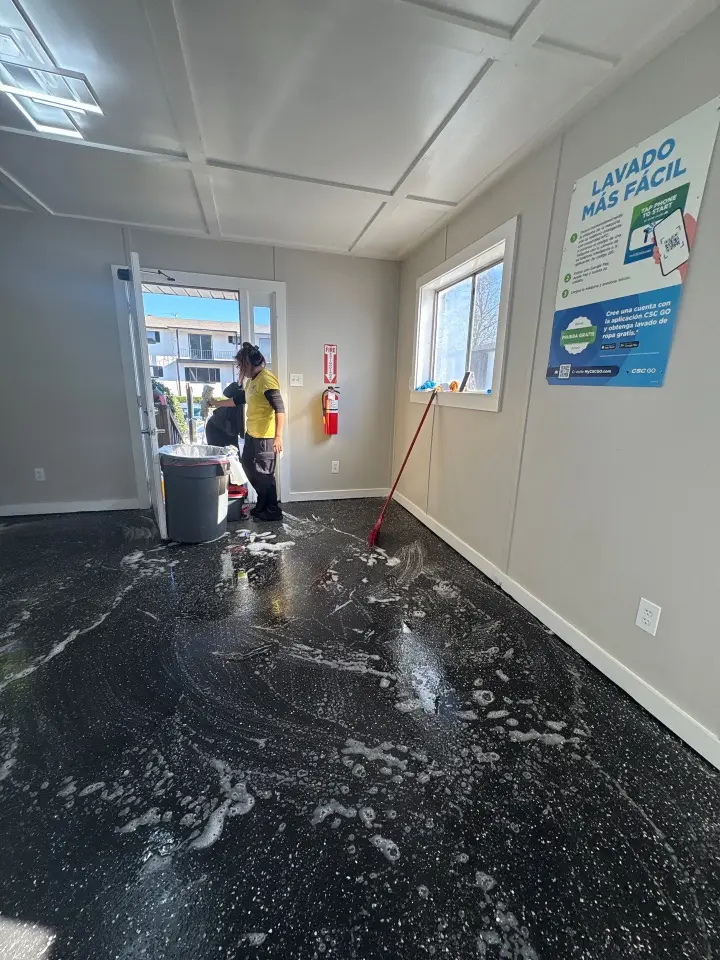
Nightly Cleaning vs Day Porter Service at a Glance
| Question | Nightly Cleaning | Day Porter Service |
|---|---|---|
| When work happens | After hours, evenings, nights or another low-occupancy window | During business hours while employees, customers or visitors are present |
| Main purpose | Reset the facility for the next operating day | Maintain cleanliness and presentation while the building is active |
| Typical tasks | Trash, restrooms, vacuuming, mopping, breakrooms, dusting and recurring checklist work | Spill response, restroom checks, trash touch-ups, entrance care, restocking and visible upkeep |
| Work style | Planned and route-based | Responsive and priority-based |
| Best for | Offices and facilities that mainly need a complete daily or recurring reset | High-traffic properties where conditions change throughout the day |
| Can it stand alone? | Often yes in moderate-traffic buildings | Sometimes, but many facilities still need after-hours cleaning |
The simplest way to think about the difference is this: nightly cleaning restores the building; a day porter protects the building’s condition while people are using it.
What Does Nightly Cleaning Usually Cover?
Nightly cleaning is a recurring janitorial or office-cleaning program completed after the normal workday, when cleaners can move through the building with fewer interruptions. Because the space is quieter, crews can follow a more predictable route and complete a defined checklist efficiently.
Trash and waste removal
Emptying designated bins, replacing liners and removing normal office or facility waste before the next operating day.
Restroom cleaning
Cleaning toilets, sinks, mirrors, counters, floors and agreed fixtures, with consumable restocking where included.
Floor care
Vacuuming carpet, mopping hard floors and completing routine floor maintenance without working around active foot traffic.
Breakrooms and common areas
Cleaning counters, tables, sinks, shared surfaces and other recurring-use areas included in the scope.
Routine dusting and wiping
Handling accessible surfaces and agreed touchpoints on a repeatable schedule.
Full-building reset
Completing enough recurring work so employees and visitors return to a clean, orderly facility the next day.
The published janitorial services page owns the local service intent for recurring facility cleaning. This article is different: it explains how the nightly model compares with daytime porter coverage.

What Does a Day Porter Usually Do?
A day porter is present while the building is operating. Instead of moving through a fixed checklist without interruption, the porter often works from a priority list that changes as the day develops.
Common tasks include checking restrooms, restocking soap or paper products, cleaning spills, picking up litter, keeping entrances presentable, wiping high-use common areas, emptying overflowing bins, responding to meeting or event needs, and handling small cleaning issues before they become visible problems.
That flexibility is the main value. The porter is not simply a nighttime janitor working during the day. The role is more responsive. A lobby may need attention after a rush of visitors. A restroom may need an extra check before lunch. A spill may need to be addressed immediately instead of waiting until closing.
For buyers who want the local service itself rather than this comparison, the dedicated day porter services page owns that transactional intent.

When Is Nightly Cleaning the Better Choice?
1. The building is mostly quiet after closing
If employees and customers leave at a predictable time, cleaning after hours can be more efficient because the crew is not constantly working around meetings, occupied desks or foot traffic.
2. The main goal is a clean start each morning
Many offices do not need continuous daytime intervention. They need trash removed, restrooms cleaned, floors reset and shared spaces restored before the next workday. In that case, nightly or recurring after-hours cleaning usually delivers more value than keeping a porter on site.
3. The facility needs broader routine work
Vacuuming multiple rooms, mopping larger floor areas, cleaning several restrooms and completing a full building route are easier to complete when occupancy is low.
4. The building has secure or access-controlled areas
Some workplaces prefer to handle cleaning under a controlled badge, key or escort arrangement after employees have left. That can reduce interruption and make access procedures easier to standardize.
5. Daytime conditions remain stable
If restrooms, entrances and shared spaces do not deteriorate significantly between opening and closing, a porter may be unnecessary. A good nightly program may be enough.

When Is a Day Porter the Better Choice?
1. Cleanliness changes visibly during the day
Busy lobbies, retail properties, gyms, medical facilities and large offices can look clean at opening and noticeably different by midday. A porter can address that change before it affects visitors or employees.
2. Restrooms need repeated checks
High-use restrooms may need more than one cleaning cycle. A porter can perform inspections, touch-ups and restocking without waiting for the evening crew.
3. The facility has frequent spills or litter
Food areas, customer-facing businesses, fitness facilities and public spaces can create unpredictable cleaning needs. Daytime response matters more in these environments.
4. Appearance is part of the customer experience
For hotels, dealerships, medical buildings, retail stores and corporate reception areas, the building must stay presentable throughout operating hours. The value of the porter is not only sanitation—it is continuous presentation control.
5. Staff are currently doing cleaning work themselves
If receptionists, managers or maintenance staff are repeatedly pulled away from their normal duties to handle spills, refill restroom supplies or clean common areas, a porter can shift that work to a dedicated role.

When Should a Facility Use Both Nightly Cleaning and a Day Porter?
Some buildings are too active for one service model to do everything well. In those cases, the porter handles live daytime conditions while the night crew completes the full recurring reset after the building quiets down.
This combined model makes sense when daytime traffic creates repeated cleaning work that cannot wait until closing, but the property still needs broader tasks that are inefficient or disruptive during business hours.
Large offices
A porter keeps restrooms, lobbies and common areas presentable while the night crew handles full-floor vacuuming, trash and broader recurring work.
Medical buildings
Daytime touch-ups help with public areas and restrooms, while scheduled after-hours service completes the larger recurring checklist.
Retail and customer-facing sites
Porter coverage protects appearance during operating hours, while nighttime service restores the facility after closing.
Gyms and fitness facilities
Continuous traffic creates recurring spills, waste and restroom demand that can benefit from daytime coverage plus a deeper nightly reset.
Schools and campuses
Daytime response can handle urgent issues while after-hours crews complete classrooms, restrooms, corridors and common spaces.
Large public facilities
When traffic never stays low for long, separating responsive daytime work from planned nightly cleaning is often more practical.
Large-facility cleaning pages on the site already mention both night crews and porter coverage because that model is common in larger buildings. This article keeps the focus on the decision itself rather than trying to rank as a location-specific large-facility service page.


How Does the Staffing Model Affect Cost?
Nightly cleaning and day porter service are not priced the same way because the labor model is different. Night cleaning is usually built around a defined scope, frequency and estimated time to complete the route. Porter service is more directly tied to coverage hours because the value comes from having someone available during the operating day.
A four-hour porter shift and a four-hour night-cleaning visit may use the same number of labor hours, but the work performed can be very different. The porter may spend part of the shift monitoring conditions, responding to requests and preventing small issues from becoming visible. The night cleaner is usually expected to complete a defined volume of scheduled work.
That means the cheapest option is not always the best option. If employees spend an hour each day handling cleaning problems because there is no porter, the apparent savings may disappear elsewhere. Likewise, keeping a porter on site all day when the building only needs a reliable after-hours reset can add unnecessary cost.
How Do You Choose Between Nightly Cleaning and a Day Porter?
Start by reviewing when your building actually becomes dirty. Walk the facility at opening, midday and near closing. Check restrooms, entrances, breakrooms, common areas, trash levels and floor condition.
If the building stays reasonably presentable all day and mainly needs a reset after employees leave, choose nightly cleaning. If conditions deteriorate during operating hours and staff repeatedly need to intervene, porter coverage may solve the bigger problem.
If both are true, split the work. Use the porter for high-visibility, fast-changing tasks and the night crew for the full recurring checklist.
Also separate porter work from broader office-cleaning intent. The existing office cleaning service page covers recurring workplace cleaning, while the day porter page covers continuous daytime maintenance. Keeping those roles defined helps prevent duplicated labor and makes proposals easier to compare.
A Simple Decision Framework
| If this describes your facility… | Start with… |
|---|---|
| Moderate traffic, predictable closing time, needs a clean start each morning | Nightly or recurring after-hours cleaning |
| Busy public areas and restrooms that decline during the day | Day porter service |
| Employees repeatedly stop work to handle spills, trash or restroom issues | Day porter service |
| Large floor area requiring vacuuming, mopping and broad scheduled cleaning | Nightly cleaning |
| Busy building that must stay clean all day and still needs a full reset after close | Both |
| Only a few daytime problem periods | Part-time or peak-hour porter coverage plus recurring cleaning |
The right answer is not determined by square footage alone. A smaller medical office with constant patient traffic may benefit more from porter coverage than a much larger low-traffic corporate office. Occupancy pattern and service expectations matter more than size by itself.
Nightly Cleaning vs Day Porter Service FAQs
What is the main difference between nightly cleaning and a day porter?
Nightly cleaning is usually a scheduled after-hours service that completes a defined cleaning checklist when the building is less occupied. A day porter works during business hours and responds to ongoing needs such as spills, restrooms, trash, entrances, supply restocking and visible presentation.
Is a day porter a replacement for nightly cleaning?
Usually not. A day porter is best for continuous daytime upkeep and quick response, while nightly cleaning is better for broader routine tasks that are easier to complete when the building is quiet. High-traffic facilities often use both.
Which service is better for an office?
A typical office with moderate traffic often needs nightly or recurring after-hours cleaning rather than a full-time day porter. A porter becomes more useful when visitor traffic, public restrooms, common areas or frequent daytime issues require continuous attention.
Can a facility use a day porter only during peak hours?
Yes. Porter coverage can be scheduled for specific time blocks, high-traffic periods or selected days instead of an entire workday.
When should a facility use both nightly cleaning and a day porter?
Use both when daytime traffic creates cleaning needs that cannot wait until closing, but the facility still requires a full recurring reset after hours. Large offices, medical facilities, retail properties, gyms, schools and busy public buildings often fit this model.
Which Service Model Makes More Sense for Your Building?
If your facility mainly needs a dependable reset after operating hours, start with nightly cleaning. If the bigger problem is that restrooms, entrances, trash and shared areas deteriorate while people are still in the building, a day porter is usually the better addition.
For busy properties, the answer may be a hybrid: porter coverage during the most active hours and nightly cleaning after close. Mid City Commercial Cleaning can review the building, traffic patterns, operating hours and current pain points to separate daytime responsibilities from after-hours tasks.
Contact Mid City Commercial Cleaning if you want help comparing the two models for your facility.