Albertville, AL · Processing and sanitation
High Bay Dusting in Albertville, AL
High bay dusting in Albertville, AL is overhead cleaning in processing and manufacturing plants where the soil is not dry dust but a bonded film — fat and cooking aerosol, condensate and process mist that has combined with airborne particulate and set on the structure above the line. It is degreasing work at height, not vacuuming: contact, chemistry and controlled rinse on surfaces that are usually stainless, sealed panel or coated steel, run on sanitation windows and documented for audit. Mid City Commercial Cleaning quotes free. Call 256-809-0407.
In a dry warehouse the overhead question is how much dust has settled. In an Albertville processing plant it is how thick the film has got, because aerosol does not settle — it condenses, and it takes every airborne particle in the room down with it. Vacuum tools are close to useless against that. This page is the Albertville branch of our high bay dusting service.



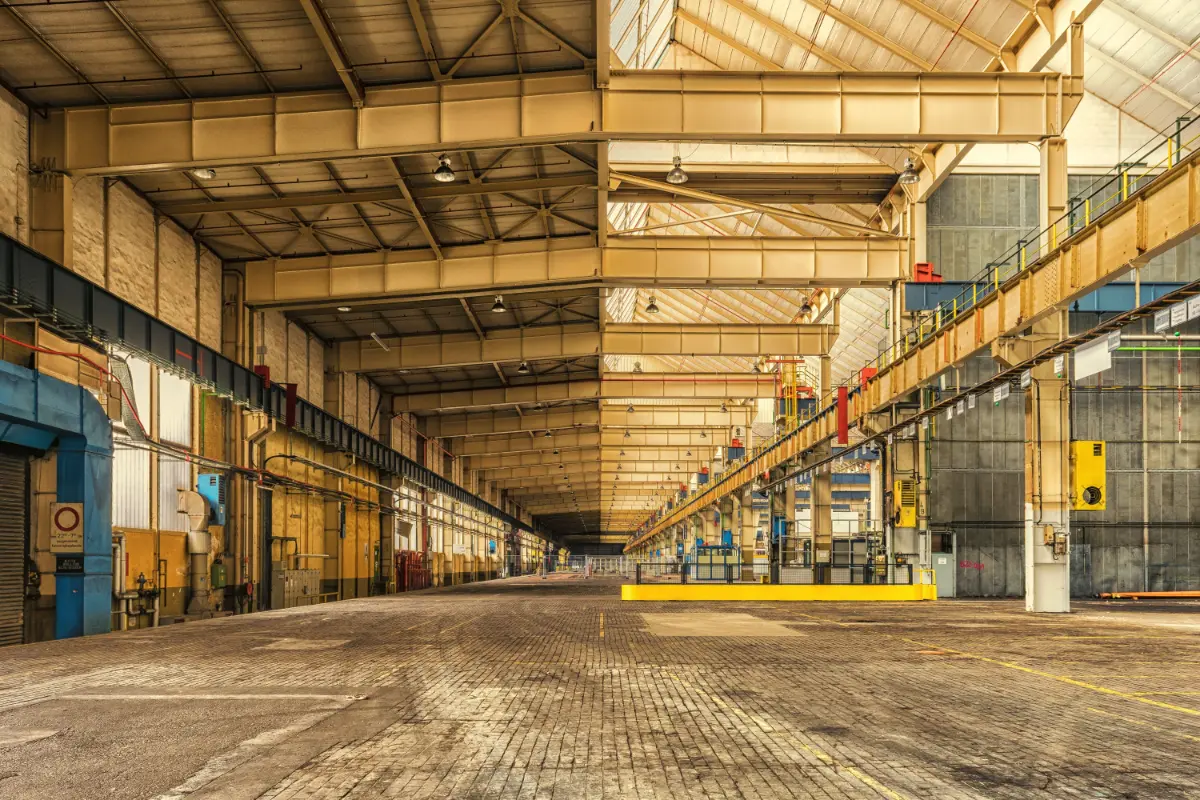
- Soil
- Condensed aerosol film with embedded particulate
- Method
- Chemistry, dwell, mechanical contact, controlled rinse
- Windows
- Sanitation shifts with lines down and protected
- Output
- Zone map, photos and product documentation for audit
A different soil entirely
Film Does Not Fall. It Condenses.
Dust arrives by gravity. Aerosol arrives by air current and phase change: fat, moisture and process mist rise, hit cooler structure thirty feet up, and condense onto it. Particulate in the air then embeds into that wet layer and the whole thing sets. What you end up with is not a deposit sitting on the beam, it is a coating attached to it.
Every practical consequence follows from that. Capture tools do not work. Blowdown does not work. The film has to be softened by chemistry with real dwell time, broken by mechanical contact, and then removed — all while working from a lift over equipment that has to be protected and a floor that has to be kept safe.
- Chemistry chosen from your plant's approved list, with documentation supplied for the audit file.
- Dwell time actually observed. Most failed overhead degreasing is a crew that sprayed and immediately wiped.
- Lines, hoppers, conveyors and packaging covered before any product is applied above them.
- Controlled removal and rinse so nothing runs down a wall or pools on the slab under a lift.
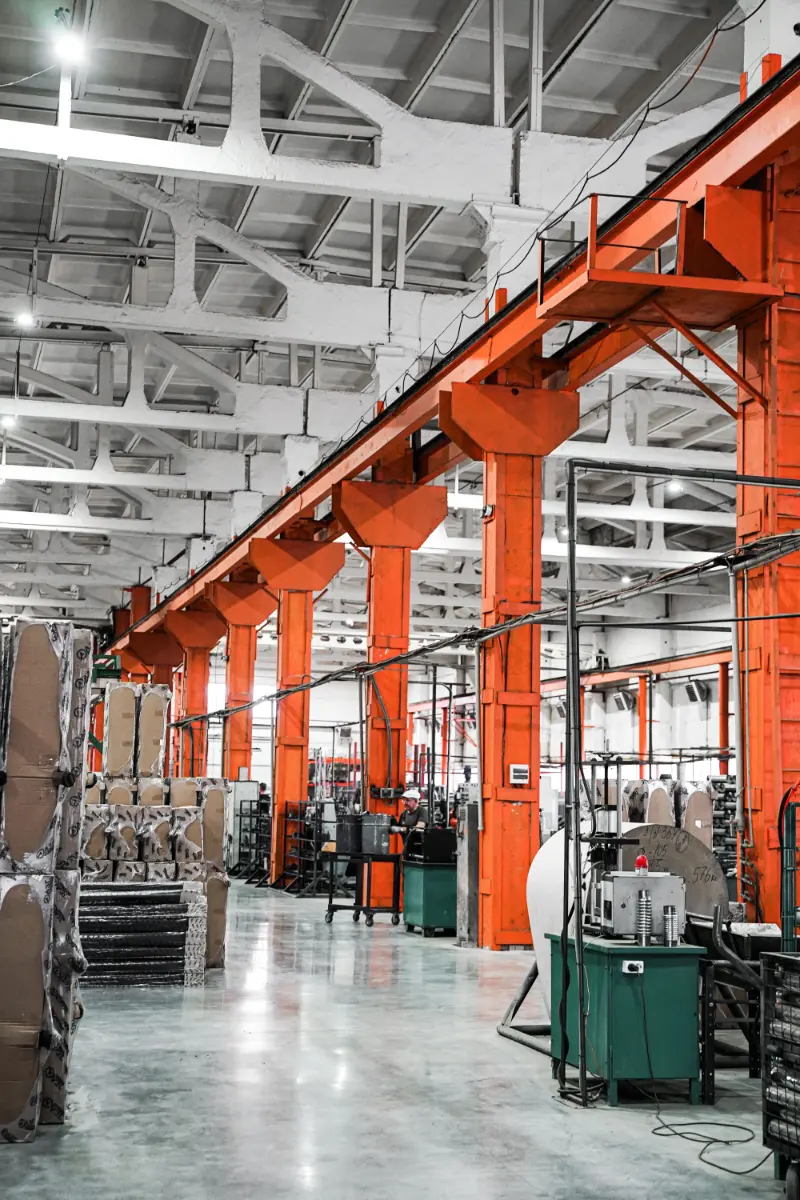
How a sanitation window runs
Down, Covered, Degreased, Documented
The window is short and it is shared with your own sanitation crew, so sequence is everything.
-
01
Line down and protected
We do not start until the area is released. Equipment, conveyors and any exposed packaging get covered before a lift moves in.
-
02
Apply and let it work
Approved degreaser applied to the structure and services, with the dwell time the chemistry actually needs rather than the one the clock would prefer.
-
03
Contact and remove
Mechanical agitation on the softened film, then removal and controlled rinse or wipe, working top down so nothing re-soils a finished surface.
-
04
Uncover, verify, hand back
Covers removed, the floor beneath cleaned, photographs taken zone by zone, and the area handed back for your own pre-op checks.
Two soils, two jobs
Dry Dust and Greasy Film Are Priced Differently for a Reason
The same building often has both. Quoting them as one number is how overhead scopes go wrong.
| Dry dust areas | Aerosol film areas | |
|---|---|---|
| Typical location | Warehouse, dry store, packing hall, plant rooms | Directly above cook, fry, process and fill lines |
| Method | HEPA capture, or blowdown where the floor is clear | Degreasing chemistry, dwell, contact, controlled rinse |
| Speed | Fast per square foot | Slow — often three to five times the labor |
| Typical interval | Every 6–12 months | Quarterly, or as your scheme requires |
| Realistic result | Back to clean substrate | Film removed; long-standing staining may not fully lift |
Evidence, not assurances
What Your Auditor Actually Wants to See
Overhead cleanliness is a recurring finding in processing plants because it is easy to see, hard to reach and simple to defer. When it does come up, what closes it is rarely a promise about frequency — it is a record.
So the deliverable here is a packet, not just a clean ceiling: a zone map of what was in scope, dated before-and-after photographs per zone, the products used with their documentation, who was on site, and clear exception notes on anything inaccessible and why. Quality teams put that straight into the file, and the exception notes matter as much as the photographs because they show the scope was honest.
We also flag mechanical causes we can see — uninsulated cold surfaces, failed seals, fans directing moist air at steel — because those are what drive the film back and they belong to maintenance rather than to sanitation.
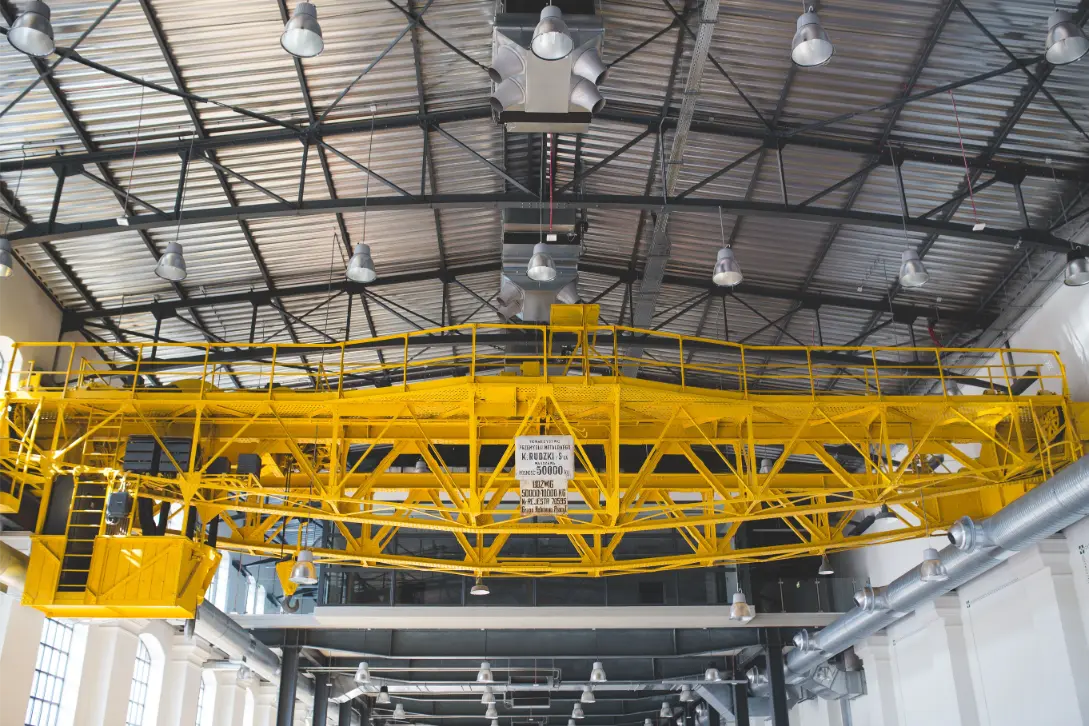
Recent work
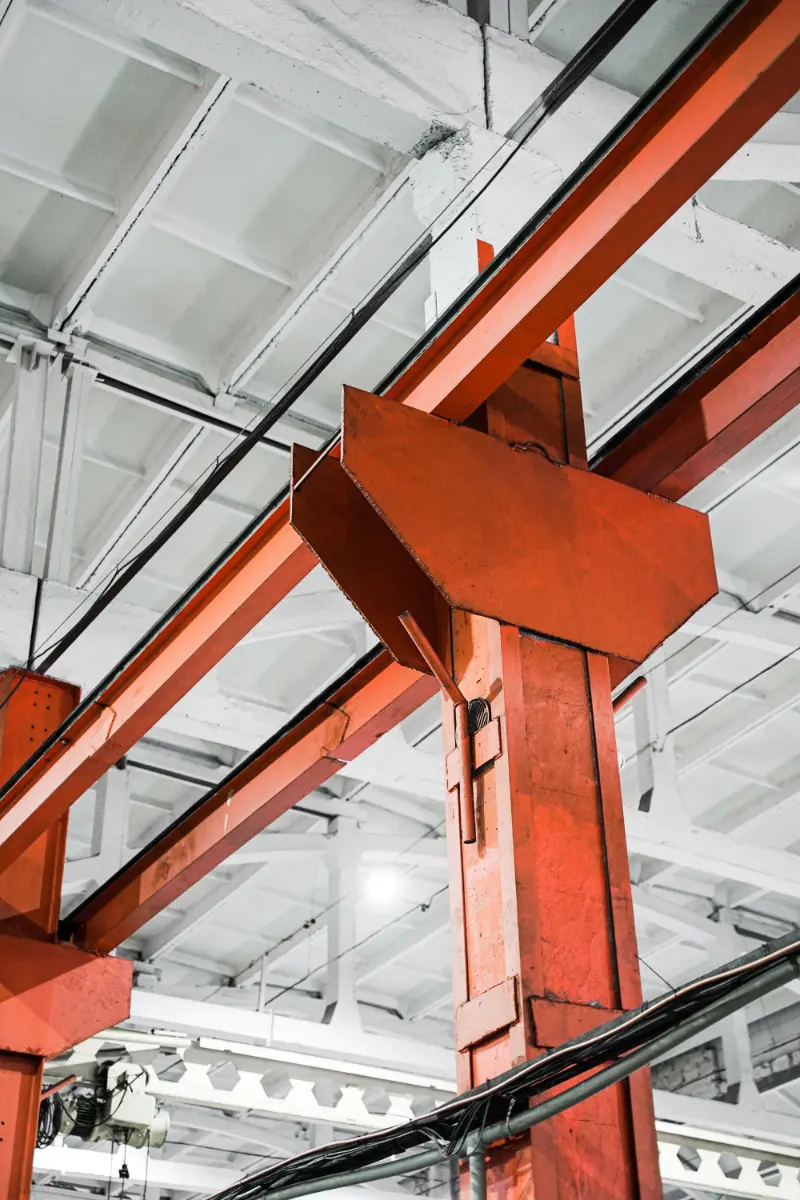
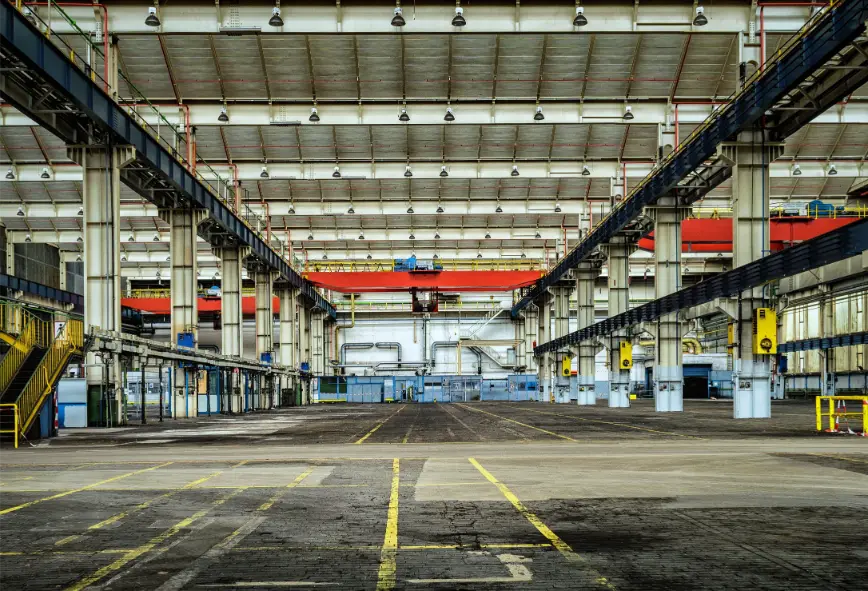
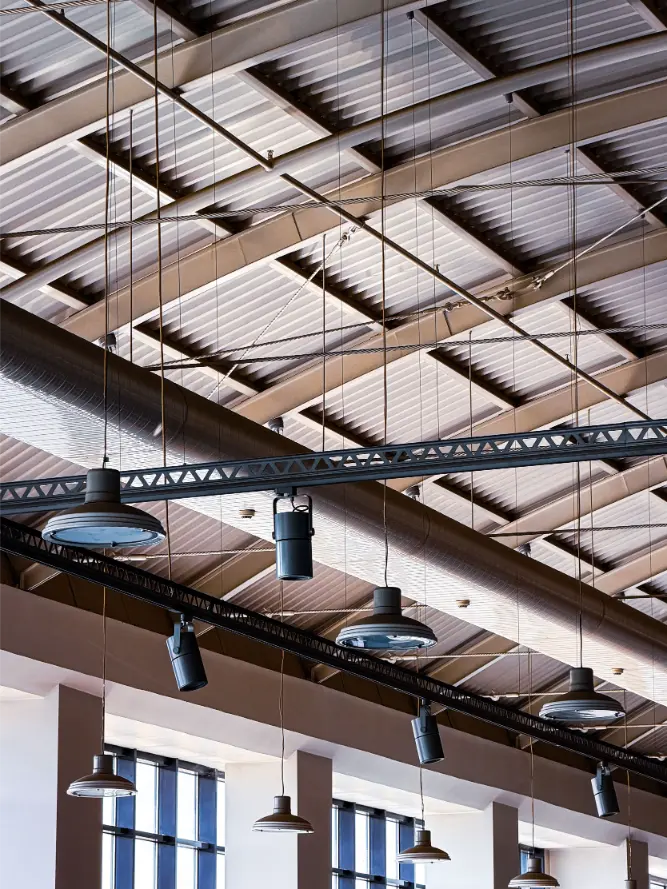
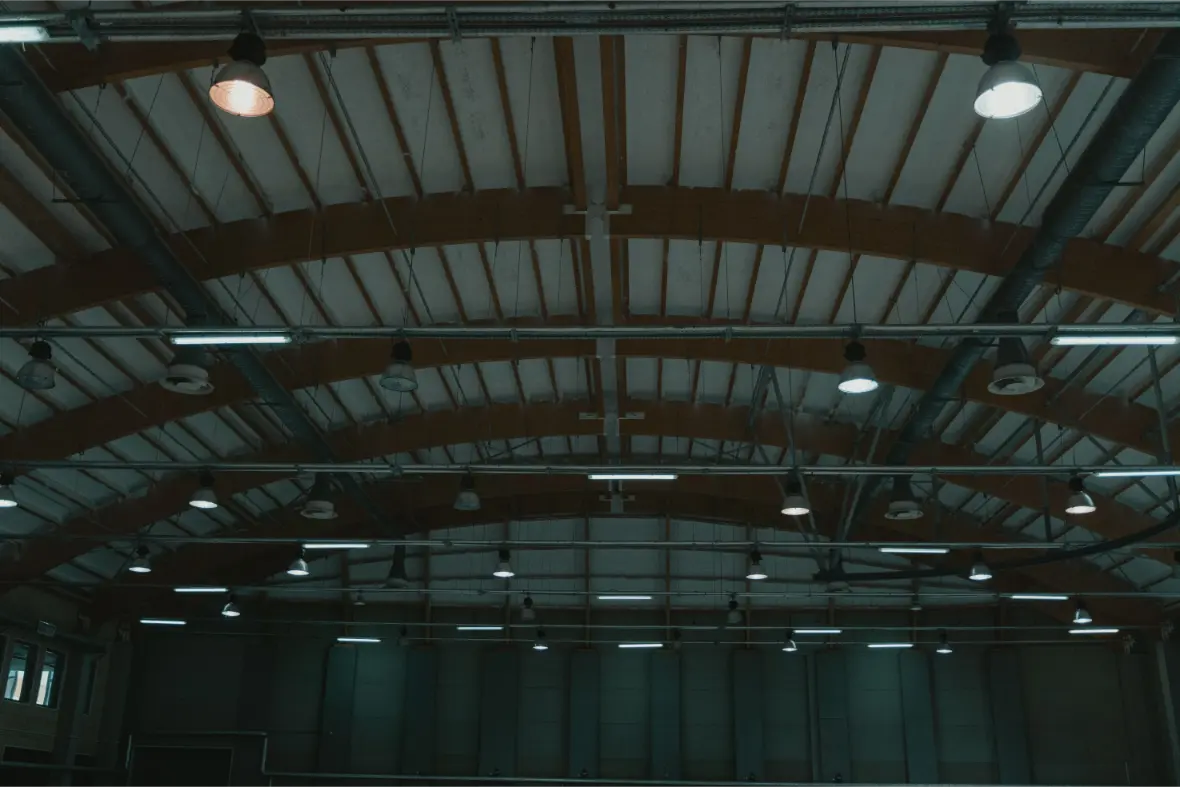
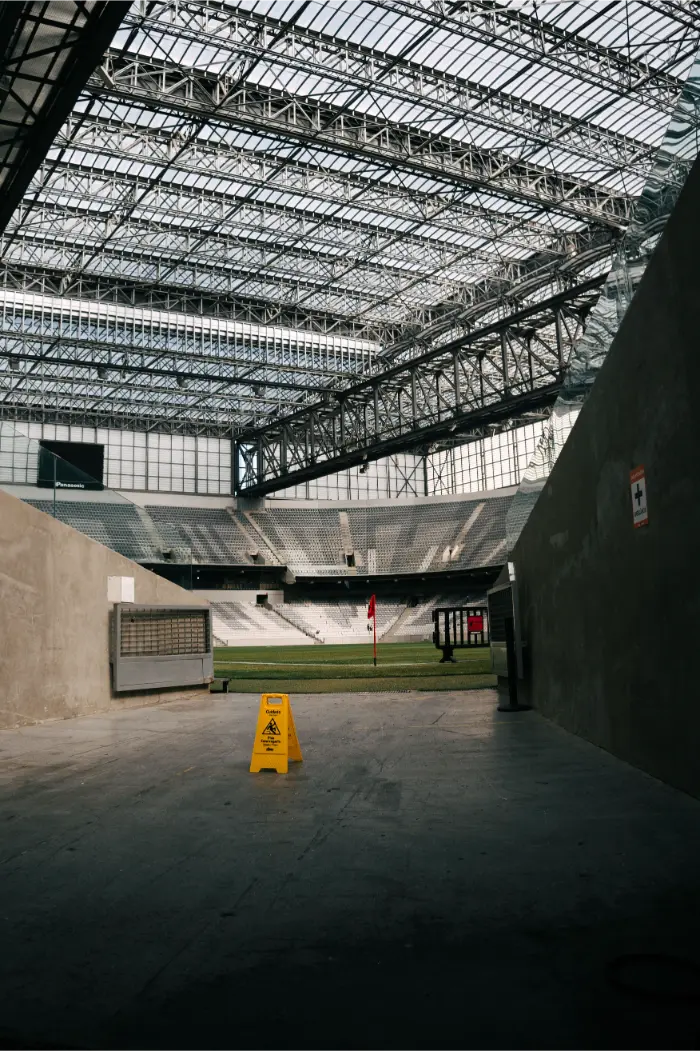
Albertville Overhead Work
Processing halls, packing areas, dry stores and support space across Albertville and southern Marshall County.
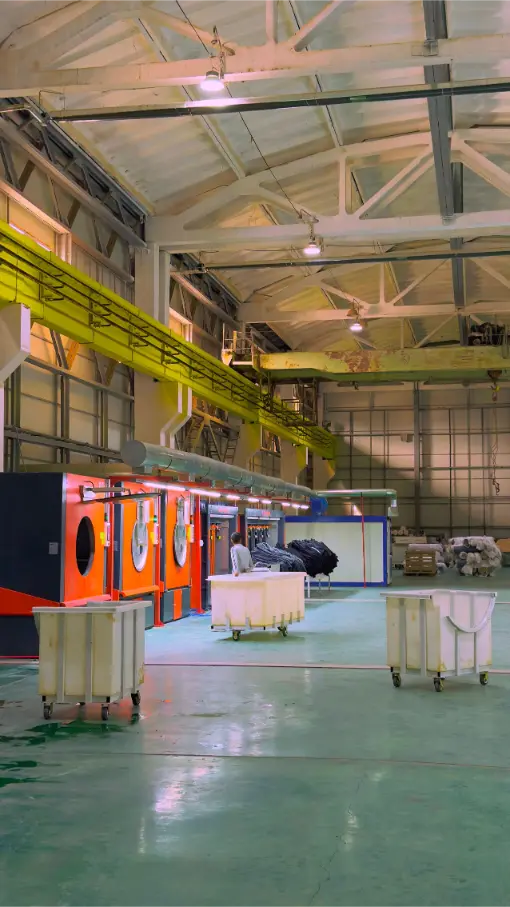
Who calls us in Albertville
Albertville Facilities on Our Overhead Schedule
Plants where overhead cleanliness is a quality requirement with a date attached, plus the dry buildings around them.
-
Processing
Food processing halls
Structure and services above open product, degreased quarterly or as the scheme requires.
-
Packing
Packing and fill lines
Aerosol carries further than people expect; film sets well beyond the line itself.
-
Dry side
Warehouses and dry stores
Same building, different soil, different method and a much longer interval.
-
Support
Plant rooms and utilities
Compressor and boiler spaces where oil mist bonds dust onto everything overhead.
-
Manufacturing
Non-food plants
Machining mist and coolant aerosol behave the same way and get the same treatment.
-
Different service
Hood and exhaust interiors
Inside a hood or exhaust duct is commercial hood cleaning, a separate discipline from overhead structure.
Albertville questions
High Bay Dusting FAQs for Albertville Plants
Why will vacuuming not clean our ceiling?
Because there is nothing loose up there to lift. Aerosol condenses onto the structure as a film, then airborne particulate embeds into it, and within months it is a bonded layer rather than a deposit. Suction has nothing to grip. Removing it needs a suitable degreasing chemistry with real dwell time, mechanical contact, and a controlled rinse or wipe — all delivered at height, which is what makes it a specialist job rather than a cleaning task.
Do you work to our sanitation schedule?
Yes, and we work to your chemistry rules too. Overhead work in a processing environment goes into the sanitation window, above lines that are down and protected, with product and packaging removed or covered, and with products approved for use in your plant rather than whatever is on our truck. Where your program requires a rinse and verification step, that is part of the scope.
Will this satisfy an audit finding?
It gives you what an audit finding usually asks for: the work done, when, by whom, with what, and evidence. We supply a zone map, before-and-after photographs, the products used and their documentation, and exception notes on anything we could not reach. What we cannot do is tell you it closes the finding — your auditor and your quality team decide that, and the corrective action usually needs a frequency attached as well.
What about condensate and dripping above the line?
It is the reason a lot of plants call us in the first place, and it is worth separating from cleaning. Cleaning removes the film; it does not stop the condensation that keeps producing it. If we find a cold surface without insulation, a failed vapor seal or a fan blowing moist air onto steel, that goes in the report as a mechanical item. Cleaning it every quarter is a very expensive way to manage a ventilation problem.
How often does overhead need doing in a food plant?
More often than anywhere else we work. Structure directly over open product is often quarterly, and in some schemes more frequently than that; areas away from the line typically run twice a year. Your scheme sets the floor. What we can tell you after the first visit is how quickly your specific building rebuilds film, which is what the interval should actually be based on.
Do you do dry industrial buildings too?
Yes — dry warehouses, shops and non-food manufacturing around Albertville run the same way as anywhere else, with capture and blowdown methods rather than degreasing. The main high bay dusting page covers those methods in detail.
Nearby coverage
High Bay Dusting Near Albertville
Albertville sits on the southern end of our map with Guntersville and the Marshall County plants. These are the areas our crews cover nearby.
- Huntsville, AL (main service page)
- Guntersville, AL
- Decatur, AL
- Birmingham, AL
- Madison, AL
- Athens, AL
Plant elsewhere in Marshall County? Contact us — sanitation windows are tight, so we plan these well ahead. This service is part of our industrial cleaning program.
Get started
Book High Bay Dusting in Albertville, AL
Tell us what runs under the structure, what your scheme requires and when the sanitation window opens. You will get a written quote, a chemistry and protection plan that fits your plant, and a documented photo record you can put straight into the audit file.
- Call · 256-809-0407
- Email · cesar@midcitycommercialcleaning.com
- Office · 102 NW Wittington Ln, Madison, AL 35758 · serving Albertville, AL
- Hours · Mon–Fri, 8:00 AM – 6:00 PM · Albertville plant work run on sanitation windows
Free Quote
Tell Us About Your High Bay
Share the ceiling height, approximate square footage, and what is stored underneath, and we’ll come back with a no-obligation quote.