Huntsville, AL · Overhead & high bay cleaning
High Bay Dusting in Huntsville, AL
High bay dusting is the removal of accumulated dust from the overhead structure of a tall building — roof deck, bar joists, beams, ductwork, pipe and conduit runs, cable tray, sprinkler lines and heads, HVLS fans and light fixtures — using HEPA vacuums, telescoping tools and compressed-air blowdown from scissor and boom lifts. Mid City Commercial Cleaning performs overhead cleaning for Huntsville warehouses, manufacturing plants, distribution centers, hangars, gyms and sanctuaries, working nights, weekends and planned shutdowns so production keeps running. Every visit is documented with before-and-after photos. Call 256-809-0407 for a free walkthrough.
Dust does not stay on the ceiling. It loads sprinkler heads, dims light fixtures, drops onto product and finished goods, and in the wrong material it becomes a fuel source sitting thirty feet over your people. This is the main service page for high bay dusting — the method, the access equipment and the scheduling. It sits under our broader industrial cleaning service.



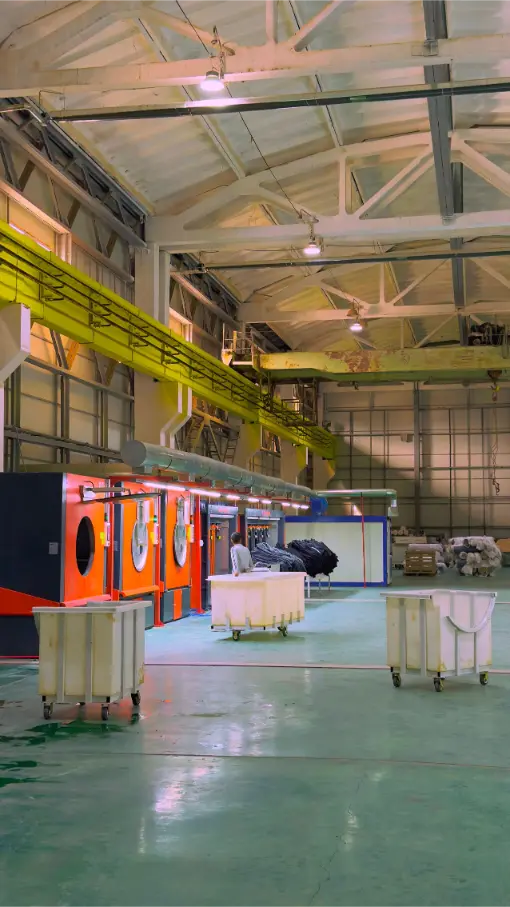
- Working height
- Typically 18–40 ft; lifts and telescoping tools
- Methods
- HEPA vacuum, damp wipe, compressed-air blowdown
- Windows
- Nights, weekends, holidays, planned shutdowns
- Deliverable
- Zone map plus before-and-after photo record
What is up there
What High Bay Dusting Actually Removes
The dust on a roof deck is not one material. In a Huntsville distribution center it is mostly corrugate fiber and pallet fines. In a machine shop it is metallic fines mixed with cutting-fluid mist that has gone tacky. In a plastics plant it is resin dust that clings by static. Each of those wants a different tool, and choosing wrong is how ceilings get smeared instead of cleaned.
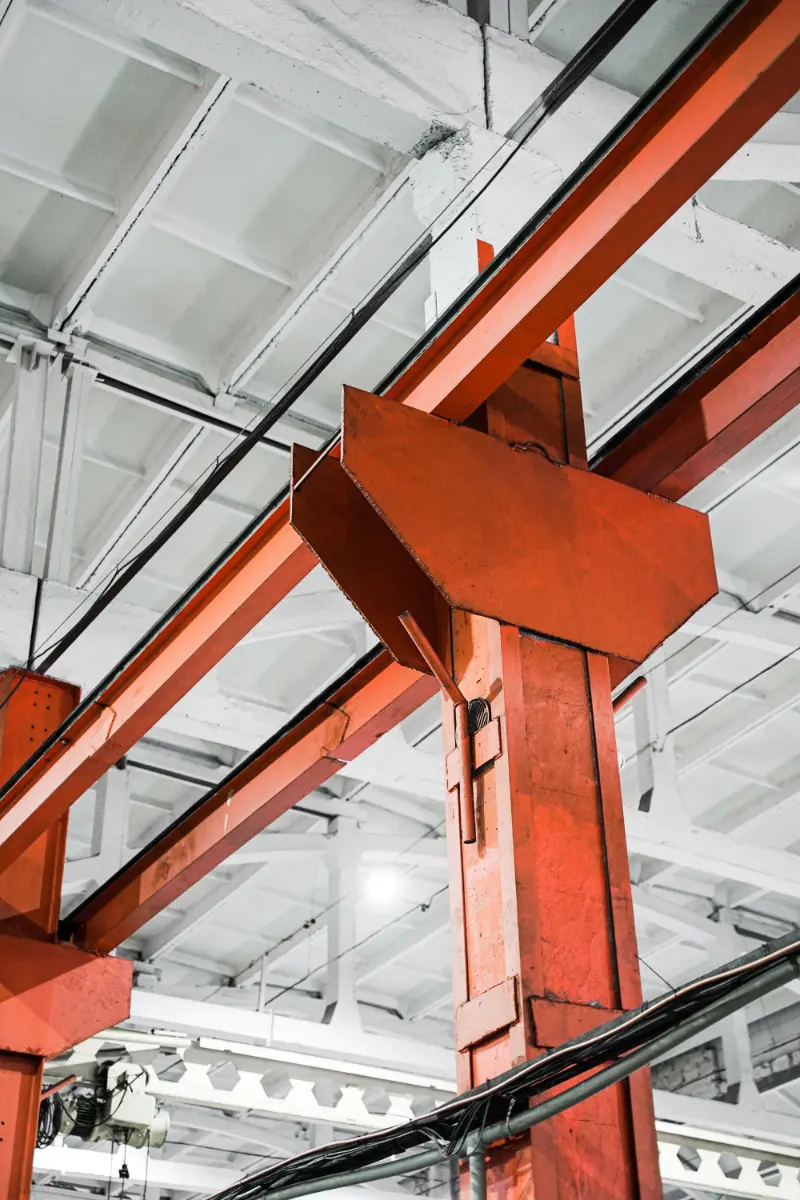
We work top down and take the whole assembly, not just the flat faces you can see from the floor. The underside of the deck, the top chord of every joist, the shadowed side of duct runs and the crown of pipe and conduit are where the depth actually sits.
- Roof deck, purlins, bar joists, trusses and structural steel, including the top surfaces that hold the most build.
- Sprinkler branch lines, hangers and heads — cleaned without wetting, prying or knocking heads out of alignment.
- Ductwork exteriors, diffusers, unit heaters, exhaust fans and HVLS fan blades, which throw dust back down when they restart.
- Light fixtures and lenses, where a heavy dust layer quietly costs you a measurable share of your lumens.
- Pipe runs, conduit, cable tray, and the tops of racking, mezzanines and enclosed equipment rooms.
Need the floor, the machinery and the docks in the same scope? That is our industrial cleaning package.
How a job runs
From Walkthrough to Documented Clean
Four stages. The only one that needs your time is the first.
-
01
Walk it and measure
We record ceiling height, deck type, what is stored or running below, floor loading for lift weight, and the dust material itself. That determines method and price, and it is where surprises get found instead of billed.
-
02
Plan access and zones
The building gets split into zones with a lift path, a masking plan for sensitive equipment, and a sequence that keeps your operation moving. Fall protection, lift certification and insurance certificates go over before we book.
-
03
Clean top down
HEPA vacuum where containment matters, damp wipe where the film is bonded, blowdown where speed matters and the area is clear. Deck first, then steel, then services, then fixtures — so nothing gets re-soiled by the zone above it.
-
04
Floor recovery and sign-off
Everything that came down gets swept and machine scrubbed. Then a walkthrough with your point of contact and a photo set for each zone, including anything we found that needs a trade we are not.
Choosing a method
Three Ways to Get Dust Off a Ceiling
There is no single correct method, and any contractor who only offers one is fitting your building to their equipment.
| Method | Best for | Trade-off |
|---|---|---|
| HEPA vacuuming | Occupied areas, food and pharma, electronics, anywhere product sits below | Slowest per square foot; cost climbs with height and clutter |
| Damp wipe / microfiber | Bonded film: oil mist, resin, cooking aerosol, nicotine-style staining | Labor heavy; only practical on defined surfaces, not open deck |
| Compressed-air blowdown | Empty warehouse bays, shutdowns, heavy uniform dust over a clear floor | Puts dust on the floor and in the air; needs protection and a full floor clean after |
| Combination | Most real buildings — vacuum the sensitive zones, blow down the open ones | Needs sequencing so a blowdown zone never re-soils a finished one |
Blowdown is not a shortcut we push. It is faster and cheaper per square foot, but the floor cleanup is real work, and if your operation cannot absorb airborne dust for a shift, it is the wrong answer no matter what it saves.
Access
Reaching Forty Feet Without Shutting You Down
Ladders are how overhead work goes wrong. Everything above roughly twelve feet is done from a powered lift or with telescoping tools, by crews carrying fall-protection training and lift certification, and the equipment is chosen for your floor as much as your ceiling.
Electric scissor lifts handle open slab and aisle work up to the high thirties without exhaust in an enclosed building. Articulating booms reach out over racking, conveyor and fixed equipment we cannot drive under. Where the slab is loaded, the aisle is narrow or the rack is full, telescoping HEPA wands do the work from ground level instead — slower, but it does not require you to clear the aisle.
The practical question at the walkthrough is rarely how tall the building is. It is what is in the way, how much of it can move, and whether it moves on your schedule or ours.
Where we work
Overhead Spaces We Dust Across North Alabama
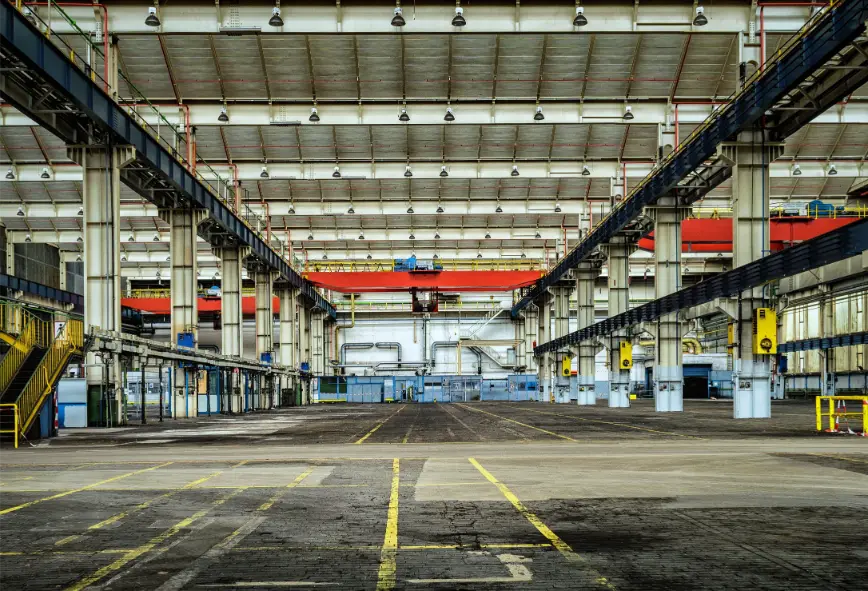
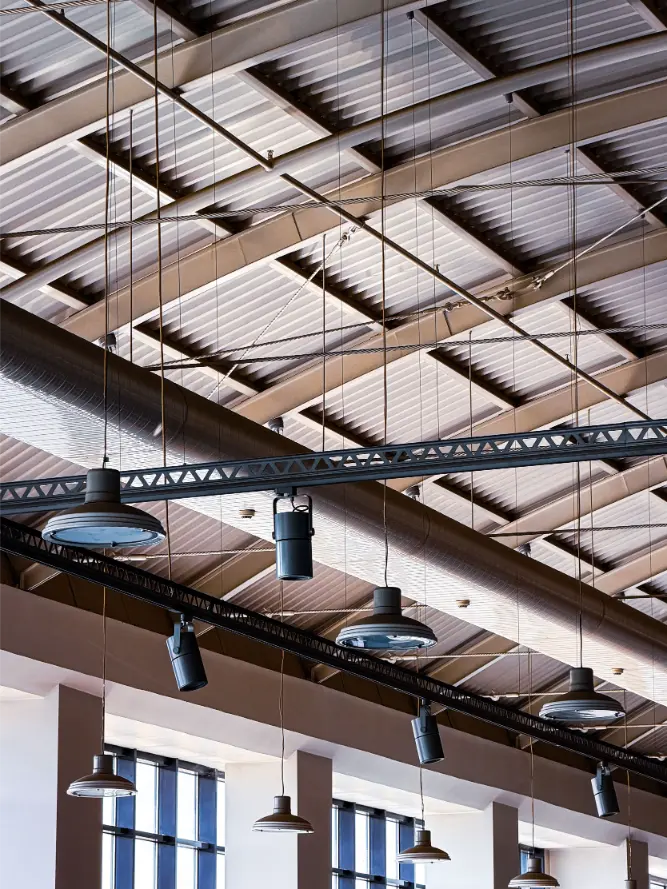
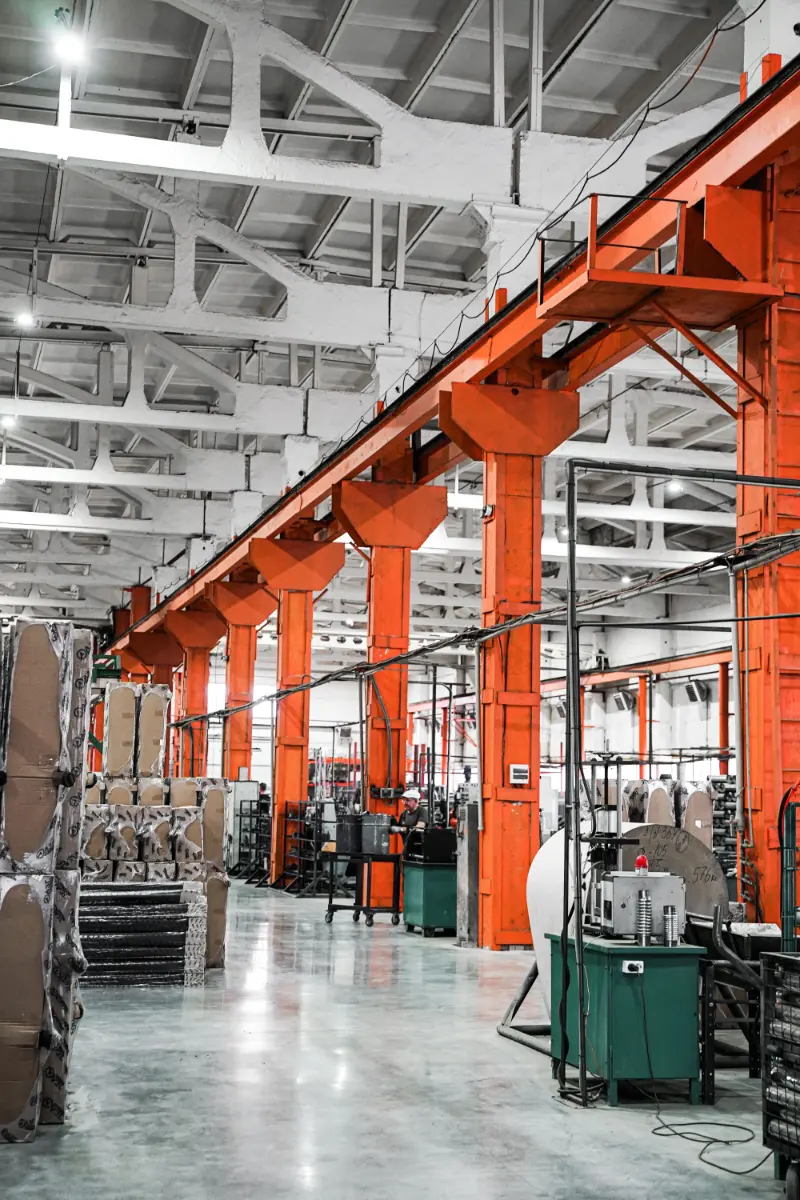
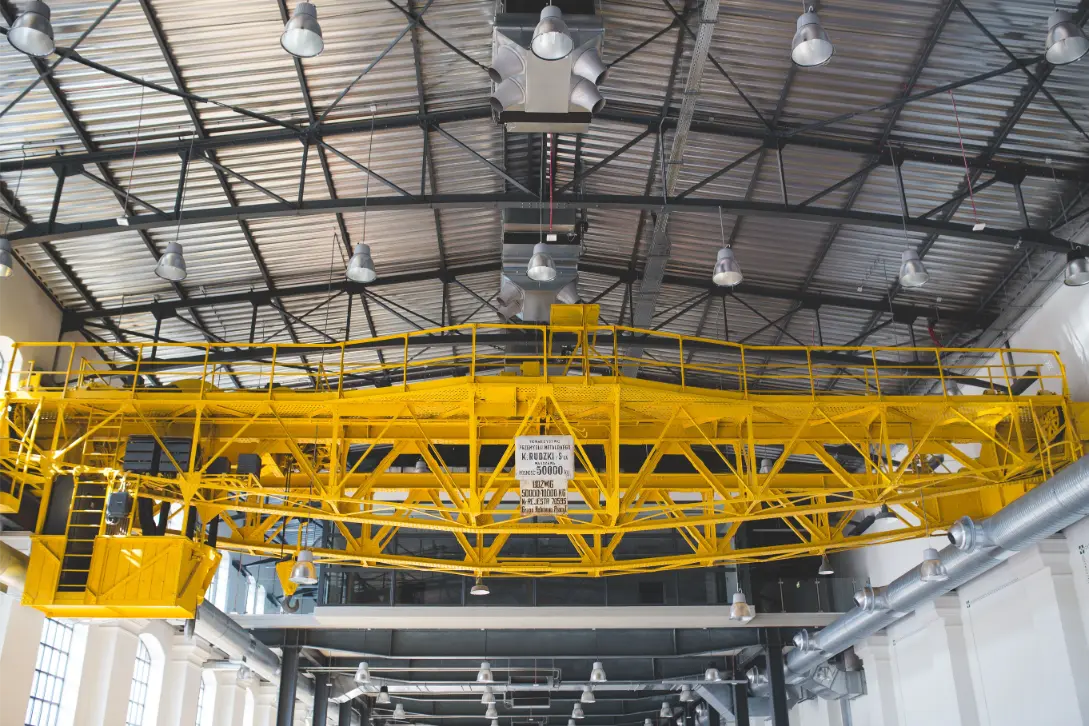
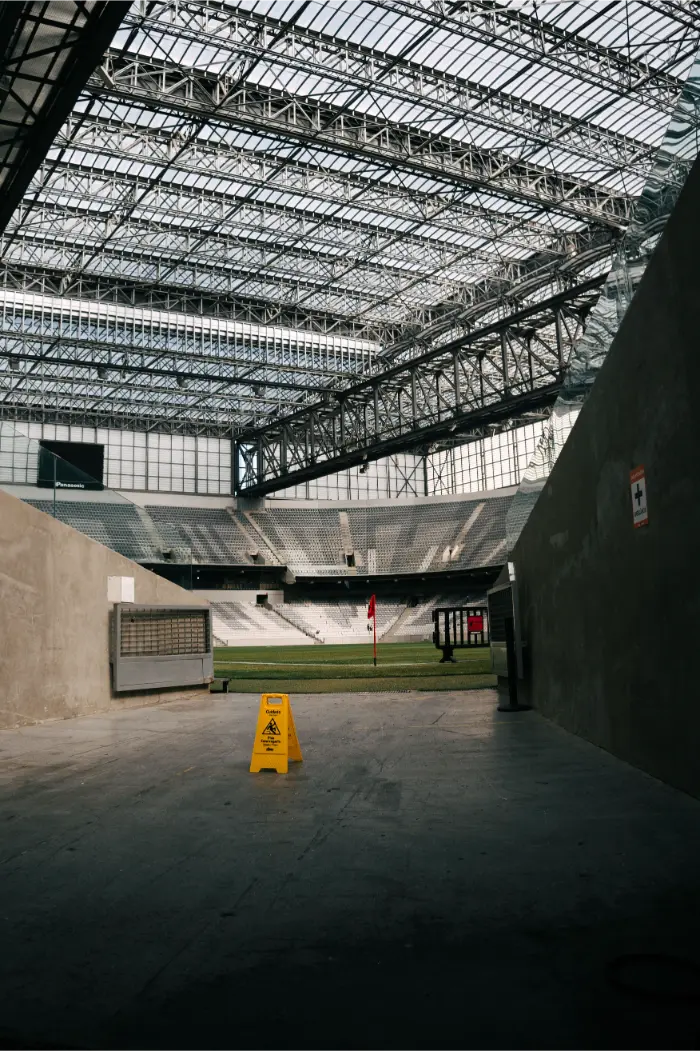
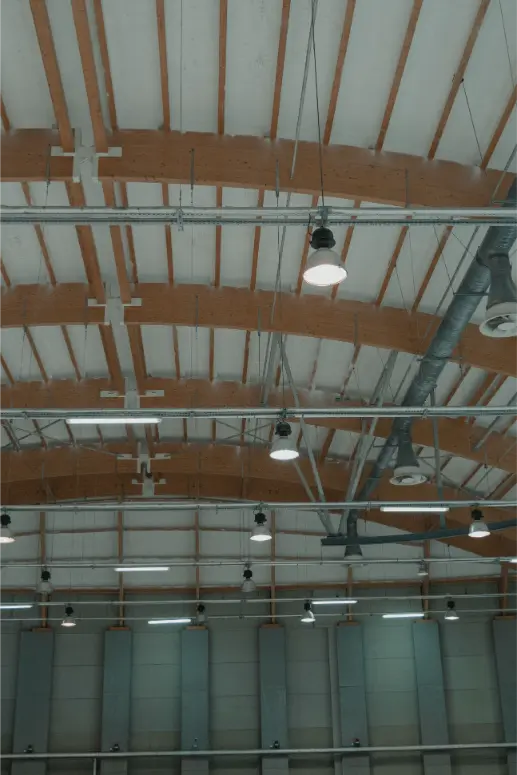
Warehouses, plants, gyms, sanctuaries and hangars — buildings whose ceilings never got cleaned because nobody owned the job.
Who books it
Buildings That Need High Bay Dusting
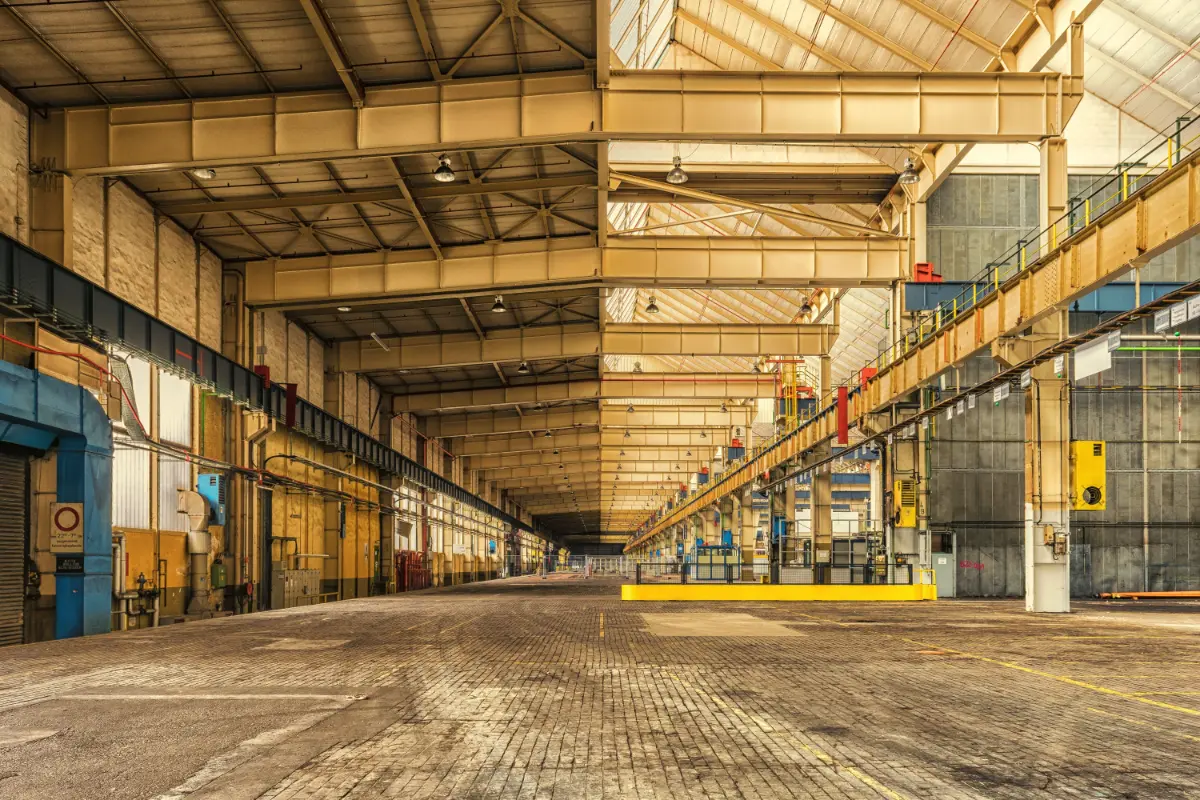
Different ceilings, different dust, different reasons for booking. What they share is a structure nobody can reach with a mop handle.
-
Logistics
Warehouses and distribution centers
Corrugate fiber and pallet fines settle on joists and rack tops, then drop onto outbound goods. Usually an annual program.
-
Manufacturing
Plants and machine shops
Metallic fines, oil mist and process particulate, cleaned around production or during a scheduled outage.
-
Aviation
Hangars and maintenance bays
Open structure, extreme height and a zero-tolerance attitude toward anything falling onto an airframe.
-
Assembly
Gyms, sanctuaries and event halls
Exposed truss, fixture banks and fan blades over seating — a visible clean as much as a technical one.
-
Food
Processing and commissary space
Overhead near open product is audit-driven and usually HEPA only. Frequency is set by your scheme, not by us.
-
Different service
Kitchen exhaust systems
Grease inside a hood or duct is a separate discipline. That is commercial hood cleaning, not overhead dusting.
Scheduling
How Often Overhead Dusting Should Happen
A starting point, not a rule. We reset the interval after the first clean, once we can see how fast your building actually loads.
| Building type | Typical interval | What drives it |
|---|---|---|
| Dry warehouse / 3PL | Every 12 months | Corrugate fines and rack-top build; insurance walkthroughs |
| Manufacturing with particulate | Every 6–12 months | Process dust load; sprinkler head condition |
| Food processing over open lines | Quarterly | Third-party audit scheme requirements |
| Combustible dust environment | By written housekeeping plan | NFPA-driven layer thresholds, not the calendar |
| Gyms, sanctuaries, atriums | Every 24–36 months | Appearance, fixture output, HVAC recirculation |
| Hangars and clean assembly | Every 6 months | Zero tolerance for fallout onto work in progress |
Why it gets booked
Nobody Calls About Dust. They Call About What Dust Did.
Overhead dusting is the easiest line item in a facility budget to defer, because a dirty ceiling does not stop anything on the day you notice it. It stops things later, and usually through somebody else’s report.
- An insurance or fire-marshal walkthrough flags loaded sprinkler heads and lint on branch lines.
- An audit finding puts overhead housekeeping on a corrective-action plan with a date attached.
- Combustible material is accumulating in layers, and the housekeeping standard is measured in fractions of an inch, not opinions.
- Product is coming off the line with fallout on it, and the line is not the source.
- Lighting has quietly dimmed across the whole building and nobody has replaced a single lamp.
- A tenant, a customer or a corporate visit is coming and the ceiling is the first thing anyone looks up at.
Whatever put it on your list, the first walkthrough is free and the quote is written. If your building does not need it yet, we would rather tell you that and schedule the one after.
Common questions
High Bay Dusting FAQs
What exactly is high bay dusting?
It is the cleaning of everything above normal reach in a tall building: roof deck, bar joists and trusses, structural steel, ductwork and diffusers, pipe and conduit runs, cable tray, sprinkler branch lines and heads, unit heaters, exhaust fans, HVLS fan blades, light fixtures and the tops of racking and mezzanines. It is done from lifts or with telescoping tools rather than ladders, and it is a periodic deep clean rather than part of a nightly janitorial scope.
How high can you actually reach?
Most Huntsville buildings we service run between eighteen and forty feet at the peak. Electric scissor lifts cover the bulk of that range on a flat slab, articulating boom lifts get us out over racking and equipment we cannot drive under, and telescoping HEPA wands add reach where a lift will not fit. If your building is taller or the floor will not take lift weight, we say so at the walkthrough and price the alternative.
Do you have to shut down production?
Not always. HEPA vacuuming is contained enough to run over a live area with the right masking and a zone-by-zone plan, which is how most food, pharmaceutical and electronics work gets done. Compressed-air blowdown is different: it deliberately drives dust to the floor, so it needs an empty or protected area and a floor cleanup afterward. We usually blow down during a planned shutdown and vacuum everything else on a normal week.
How often should overhead dusting be scheduled?
A dry warehouse or distribution center is usually fine on an annual cycle. Manufacturing with airborne particulate typically runs twice a year. Food processing overhead near open lines is often quarterly because of audit requirements. Gyms, sanctuaries and atriums can go two to three years. The honest answer comes from looking at the deck: if you can write your name in it, the interval is too long.
Is dust on sprinkler heads really a problem?
Yes. A loaded sprinkler head is insulated, and insulation delays activation, which is the one thing a sprinkler cannot afford to do. Fire marshals and insurance inspectors both look for it, and heavy lint or dust build is a common write-up in warehouses and any plant handling fiber, paper or powder. We clean heads and branch lines carefully, without spraying water at them or knocking them out of alignment.
What do we get at the end of the job?
A documented clean: zone map, before-and-after photographs, the method used in each area, and any conditions we found that are not ours to fix — a leaking joint above a rack, corroded deck, a missing sprinkler escutcheon, bird or wasp nesting. Facility managers use that packet for insurance and audit files. The quote itself is free and comes in writing after a walkthrough.
Service area
High Bay Dusting Across North Alabama
Our overhead crews run out of Madison, AL and cover the Tennessee Valley, the river corridor and the counties on either side. Each city page covers the overhead problem that is actually specific to it — the dust type, the building stock and the window that works there.
- Madison, ALHome base, fastest response
- Athens, ALOlder trusses, first-time cleans
- Harvest, ALSchools, gyms and sanctuaries
- Decatur, ALCombustible dust and turnarounds
- Hazel Green, ALAg buildings and organic dust
- Limestone County, ALMega-sites and multi-building
- Guntersville, ALHumidity-caked overhead film
- Albertville, ALGreasy processing ceilings
- Birmingham, ALMetro portfolios, booked ahead
Building somewhere else in Alabama? Contact us — we quote overhead work across Madison, Limestone, Morgan, Marshall and Jefferson counties, and we will tell you plainly if the drive makes us the wrong crew for the job.
Get started
Book High Bay Dusting in Huntsville, AL
Send us the ceiling height, the square footage and what is stored or running underneath, or let us walk it. You will get a written quote, a lift and access plan, a window that fits your production calendar, and a photo record when the last zone is signed off.
- Call · 256-809-0407
- Email · cesar@midcitycommercialcleaning.com
- Office · 102 NW Wittington Ln, Madison, AL 35758 · serving Huntsville and North Alabama
- Hours · Mon–Fri, 8:00 AM – 6:00 PM · overhead work scheduled nights, weekends and shutdowns
Free Quote
Tell Us About Your High Bay
Share the ceiling height, approximate square footage, and what is stored underneath, and we’ll come back with a no-obligation quote.